Last Updated on July 9, 2026
If your cat has diarrhea but still has a good appetite, you might be feeling confused and worried. You want to make sure your furry friend stays healthy and comfortable.
Understanding why your cat is experiencing this can help you take the right steps quickly. You’ll learn the common causes, when to seek help, and what you can do at home to support your cat’s recovery. Keep reading to find out how to keep your pet happy and healthy, even when things seem a little off.
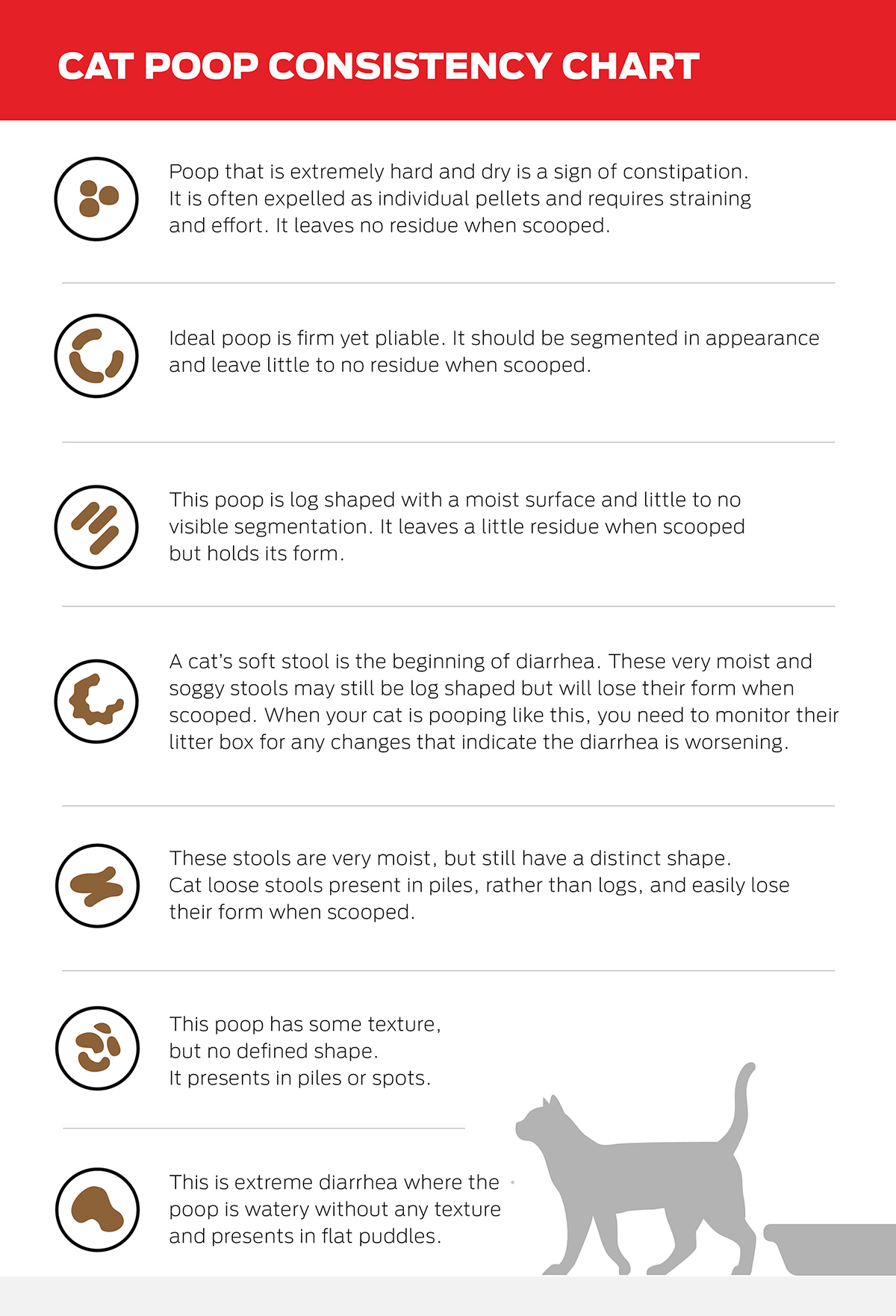
Credit: www.purina.com
Common Causes Of Diarrhea In Cats
Diarrhea in cats can have many causes. It often happens even if the cat still has a good appetite. Understanding why diarrhea occurs helps in finding the right care. Some causes are simple, while others need veterinary attention.
Dietary Changes And Sensitivities
New foods or treats can upset a cat’s stomach. Sudden diet changes often cause loose stools. Some cats have food allergies or intolerances. Dairy and certain proteins are common triggers. Feeding the same food consistently helps prevent problems.
Parasites And Infections
Worms and other parasites can cause diarrhea. Bacterial and viral infections also affect the gut. Kittens and outdoor cats are at higher risk. Regular deworming and vaccinations protect against infections. A vet can test and treat these issues effectively.
Stress And Environmental Factors
Cats are sensitive to changes in their surroundings. Moving house, new pets, or loud noises can cause stress. Stress can lead to digestive upset and diarrhea. Creating a calm, stable environment helps reduce stress-related issues.
Underlying Health Conditions
Some diseases cause ongoing diarrhea in cats. Conditions like inflammatory bowel disease or hyperthyroidism affect digestion. Kidney and liver problems can also play a role. Chronic diarrhea needs a vet’s diagnosis and treatment plan.
When Appetite Remains Strong
It can seem strange when a cat has diarrhea but still wants to eat a lot. A strong appetite while being sick may confuse cat owners. It shows the cat is still feeling hungry and interested in food. This can be a good sign. It means the cat’s body still wants energy to fight illness or heal itself.
Still, diarrhea signals a problem in the digestive system. The cat’s body is not absorbing food well. Even with hunger, the illness needs care. Watching your cat closely helps catch problems early. Feeding your cat with gentle foods helps keep strength without upsetting the stomach more.
Why Cats Eat Despite Diarrhea
Cats may eat because their body needs fuel. Illness makes the body burn more energy. Eating gives the body what it needs to recover. Hunger is a natural signal, telling the cat to keep eating.
Sometimes, diarrhea happens from mild issues like diet change. The cat may still feel well enough to eat. The appetite stays strong because the illness is not very serious yet. This shows the cat’s system tries to stay balanced.
Some cats have infections or parasites causing diarrhea. Their appetite can remain because the infection is early or the cat’s immune system fights back. Eating helps keep the cat’s strength during this time.
Signs To Watch For
Check the cat’s behavior and energy level. If the cat eats but becomes very tired, this is a warning. Watch for vomiting, blood in stool, or constant diarrhea. These signs need immediate vet care.
Look at the stool color and texture. Dark, black, or very watery stool can show serious problems. A cat that refuses to eat after some time needs attention. Loss of appetite after diarrhea is a bad sign.
Keep an eye on the cat’s drinking habits. Dehydration is common with diarrhea. If the cat drinks a lot or very little, this needs to be noted. Early treatment helps prevent worse problems.
At-home Remedies For Cat Diarrhea
Diarrhea in cats can be worrying, especially when your pet still eats well. Many cases of mild diarrhea can improve with simple care at home. These easy steps help soothe your cat’s stomach and support recovery.
Watch your cat closely during this time. Offer gentle care and changes that ease the digestive system. Small actions can make a big difference.
Adjusting Diet Safely
Switch your cat’s food to something bland and easy to digest. Plain boiled chicken or turkey with rice works well. Avoid fatty or spicy foods that upset the stomach further.
Feed smaller amounts more often. This helps reduce strain on digestion. Gradually return to regular food over several days once stool improves.
Hydration Tips
Diarrhea causes quick fluid loss. Keep fresh water always available for your cat. Encourage drinking by placing multiple water bowls around the home.
Use a pet-safe electrolyte solution if dehydration signs appear. These solutions replace lost minerals and fluids safely. Contact a vet before use.
Natural Supplements And Probiotics
Probiotics support good bacteria in your cat’s gut. They can reduce diarrhea duration and improve digestion. Choose supplements made for cats only.
Natural supplements like pumpkin puree add fiber and soothe the intestines. Use plain canned pumpkin without spices or sugars. Start with small doses to avoid upset.
When To Seek Veterinary Care
Knowing when to seek veterinary care for a cat with diarrhea but a good appetite is important. Diarrhea can be a sign of many health issues. Some problems need quick attention to prevent serious illness. Watch your cat closely for changes in behavior or symptoms.
Red Flags And Urgent Symptoms
Seek veterinary care if your cat shows these signs:
- Diarrhea lasting more than two days
- Blood or mucus in stool
- Vomiting along with diarrhea
- Weakness or lethargy
- Dehydration or dry gums
- Weight loss or loss of appetite
- Fever or abdominal pain
These symptoms suggest a serious problem. Immediate care can help stop complications.
Diagnostic Tests Vets Use
Veterinarians perform tests to find the cause of diarrhea. Stool tests check for parasites or bacteria. Blood tests evaluate organ function and infection. Imaging like X-rays or ultrasound looks for blockages or tumors. Sometimes a fecal culture is needed for detailed analysis. These tests guide the best treatment plan.
Treatment Options
Treatment depends on the cause found during testing. Parasites require specific medications. Bacterial infections may need antibiotics. Dietary changes help with sensitive stomachs. Fluids and electrolytes replace what the cat loses in diarrhea. In severe cases, hospitalization might be necessary. Follow your vet’s advice closely for a quick recovery.
Preventing Future Episodes
Preventing future episodes of diarrhea in cats with good appetite is important. It helps keep your pet healthy and happy. Taking simple steps can reduce the chance of digestive problems returning. Focus on diet, health care, and a calm environment.
Maintaining A Balanced Diet
Feed your cat high-quality food made for its age and health. Avoid sudden changes in diet. Introduce new foods slowly over several days. Keep treats and snacks limited. Fresh water should always be available. A balanced diet supports good digestion and prevents diarrhea.
Regular Deworming And Vaccinations
Parasites can cause diarrhea even if your cat looks fine. Schedule regular deworming with your vet. Keep vaccinations up to date to fight infections. A strong immune system helps your cat stay healthy. Follow your vet’s advice on preventive care.
Stress Reduction Techniques
Stress can upset your cat’s stomach. Create a quiet and safe space for your pet. Keep a routine for feeding and playtime. Use calming products like pheromone diffusers if needed. Spend time with your cat to reduce anxiety. A calm cat has a lower risk of digestive issues.

Credit: scrumbles.co.uk
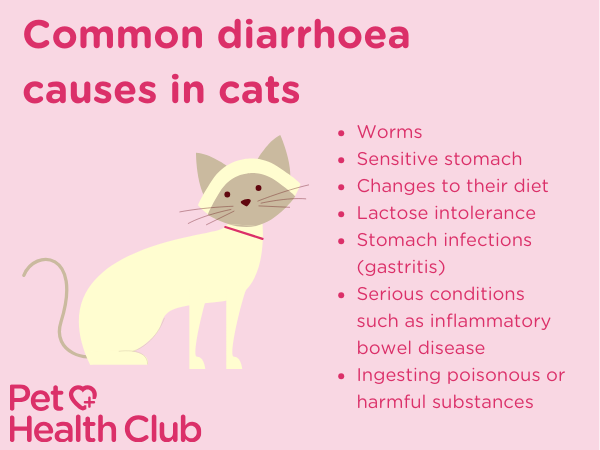
Credit: www.pethealthclub.com
Frequently Asked Questions
Why Does My Cat Have Diarrhea But Still Eat Well?
Cats can have diarrhea with good appetite due to mild infections, dietary changes, or stress. The digestive system may be irritated but still functioning well enough for normal eating. Monitoring symptoms and consulting a vet ensures timely treatment if needed.
How Long Can Cat Diarrhea Last With Good Appetite?
Diarrhea in cats with good appetite can last from a day to a week. If it persists beyond seven days or worsens, seek veterinary advice to rule out infections or underlying health issues.
Should I Change My Cat’s Diet If It Has Diarrhea?
Yes, temporarily switching to a bland, easily digestible diet can help. Avoid rich or fatty foods until diarrhea resolves. Gradually reintroduce the regular diet once stool consistency improves.
When To See A Vet For Cat Diarrhea With Good Appetite?
Visit a vet if diarrhea lasts more than 48 hours, or if your cat shows lethargy, vomiting, or dehydration. Persistent diarrhea can indicate serious conditions requiring professional diagnosis and treatment.
Conclusion
A cat with diarrhea but a good appetite still needs careful watch. Keep track of any changes in behavior or stool. Offer plenty of fresh water to avoid dehydration. Feed a gentle, bland diet for a few days. If diarrhea lasts more than two days, see a vet.
Quick action helps keep your cat healthy and happy. Remember, small signs can show bigger problems. Stay patient and attentive to your cat’s needs. This care makes all the difference.