Last Updated on July 27, 2026
Have you ever noticed dog food bags with a wolf on them and wondered what makes them special? If you care about what goes into your dog’s bowl, you’re not alone.
Choosing the right food can be confusing, but the wolf image might hold some clues about quality and nutrition. You’ll discover why these brands use a wolf on their packaging and what it means for your furry friend’s health. Keep reading to find out how this simple symbol could help you make smarter choices for your dog’s diet.
Credit: patsyspetmarket.com
Why Wolves Inspire Dog Food
Wolves are the closest relatives of domestic dogs. Their diet and lifestyle influence how many dog foods are made today.
Manufacturers study wolves to create food that matches dogs’ natural needs. This helps dogs stay healthy and strong.
Understanding wolf habits gives clues about what dogs might need in their meals.
Connection Between Dogs And Wolves
Dogs and wolves share a common ancestor. This link explains many similar traits.
Both have strong teeth and digestive systems suited for meat-based diets.
Wolves hunt and eat raw meat, bones, and organs. Dogs, too, benefit from similar nutrition.
Their shared history makes wolf diets a guide for healthy dog food recipes.
Wolf Diets In The Wild
Wild wolves eat fresh meat, including deer, rabbits, and birds.
They consume organs rich in vitamins and minerals, not just muscle meat.
Wolves also eat some plants and berries for extra nutrients.
This balanced diet keeps wolves fit and energetic in nature.
Dog food inspired by this diet focuses on natural ingredients and high protein.
Key Ingredients In Wolf-themed Dog Food
Wolf-themed dog food mimics the diet of wild wolves. These products focus on natural, wholesome ingredients. They provide balanced nutrition for active and healthy dogs. Understanding the key ingredients helps pet owners choose the best food for their dogs.
High-quality Proteins
Proteins are the building blocks of muscles and tissues. Wolf-themed dog food often includes real meat like chicken, beef, or fish. These proteins are easy to digest and rich in amino acids. They support strong muscles and overall energy. Protein sources in these foods are usually free from fillers and by-products.
Natural Fats And Oils
Natural fats and oils provide energy and keep the coat shiny. Ingredients like fish oil, chicken fat, and flaxseed oil are common. These fats contain omega-3 and omega-6 fatty acids. They support brain health, skin, and joint function. Healthy fats also help dogs stay active and alert.
Essential Vitamins And Minerals
Vitamins and minerals are vital for the immune system and bone health. Wolf-themed dog food contains nutrients like vitamin E, zinc, and calcium. These elements strengthen the body’s defenses and support growth. They come from natural sources like fruits, vegetables, and added supplements. Balanced vitamins and minerals keep dogs happy and healthy.
Benefits Of Natural Nutrition For Dogs
Natural nutrition offers many benefits for dogs. It supports their overall health and well-being. Feeding dogs with natural ingredients helps them live a happier and healthier life.
Improved Digestion And Gut Health
Natural dog food often contains fewer fillers and artificial additives. This helps dogs digest their food better. Healthy digestion means fewer stomach issues and better nutrient absorption. A balanced gut leads to happier, more comfortable dogs.
Enhanced Energy And Vitality
Natural ingredients provide essential nutrients that boost energy. Dogs get the fuel they need for play and exercise. This leads to more active and lively pets. Vitality improves their mood and overall quality of life.
Stronger Immune System
Natural nutrition supports the immune system naturally. Vitamins and minerals help dogs fight infections and illnesses. A strong immune system keeps dogs healthier for longer. It reduces vet visits and medical costs.
Choosing The Right Wolf-labeled Dog Food
Choosing the right wolf-labeled dog food is important for your pet’s health. These foods often promise natural ingredients inspired by a wolf’s diet. Picking the best option needs care and attention to detail.
Not all wolf-labeled foods are the same. Some may have better ingredients or meet your dog’s needs more closely. Learn how to read labels, think about your dog’s needs, and avoid harmful additives.
Reading Ingredient Labels
Start by checking the ingredient list carefully. Look for real meat or fish as the first ingredient. Avoid foods with too many fillers like corn or soy. These add little nutrition and can cause allergies.
Check for named proteins like chicken, beef, or salmon. Avoid vague terms like “meat by-products” or “animal digest.” These often mean low-quality ingredients.
Considering Your Dog’s Specific Needs
Each dog is different. Age, size, and health affect what food suits them best. Puppies need more protein and fat. Older dogs may require food that supports joints and digestion.
Think about allergies or sensitivities. Some dogs react to grains or certain proteins. Choose wolf-labeled food that fits your dog’s unique needs.
Avoiding Harmful Additives
Check for artificial colors, flavors, or preservatives. These can harm your dog’s health over time. Look for natural preservatives like vitamin E or rosemary extract.
Avoid foods with too many chemicals or fillers. Natural wolf-labeled dog food should be simple and clean. This keeps your dog strong and happy.
Common Myths About Wolf-based Dog Food
Wolf-based dog food has grown popular among pet owners seeking natural diets. Many myths surround this type of food. These myths often cause confusion and hesitation. Clearing up these misunderstandings helps pet owners make better choices for their dogs.
Is It Too Raw Or Natural?
Some people believe wolf-based dog food is too raw for pets. They think raw means unsafe or unhealthy. Actually, many of these foods are carefully prepared to be safe. They balance raw ingredients with cooking methods to kill bacteria. The goal is to mimic a wolf’s diet while keeping dogs healthy. This approach supports natural nutrition without risks of raw feeding.
Concerns About Nutritional Balance
Many worry wolf-based dog food lacks proper nutrition. They think it might miss essential vitamins or minerals. Producers often design these foods to meet dog nutrition standards. They include necessary nutrients from animal and plant sources. Tests and guidelines help ensure balanced meals. This means dogs get the right fuel for energy and growth.
Credit: shop.winndixie.com
Transitioning Your Dog To Wolf-inspired Food
Switching your dog to wolf-inspired food takes care and patience. This type of diet mimics the natural eating habits of wolves, focusing on high protein and raw ingredients. Dogs may need time to adjust to new flavors and textures. A smooth transition helps avoid stomach upset and keeps your dog happy.
Gradual Introduction Tips
Start by mixing a small amount of wolf-inspired food with your dog’s current food. Increase the new food gradually over 7 to 10 days. Watch your dog’s eating habits closely during this time. Offer fresh water to help with digestion. Avoid switching all at once. Slow changes give your dog’s system time to adapt.
Monitoring Your Dog’s Response
Observe your dog for any signs of discomfort or allergies. Look for changes in stool, energy, and coat condition. A healthy dog will have firm stools and bright eyes. If you see vomiting or diarrhea, slow down the transition. Consult your vet if problems continue. Keep a daily record of your dog’s reactions for best results.
Popular Brands Featuring Wolf Imagery
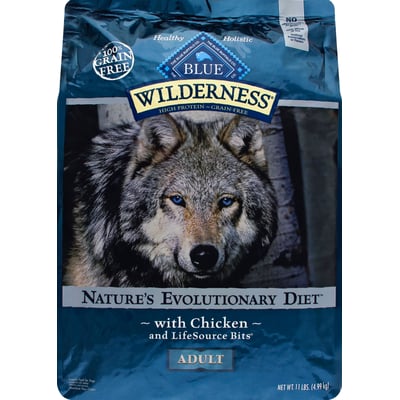
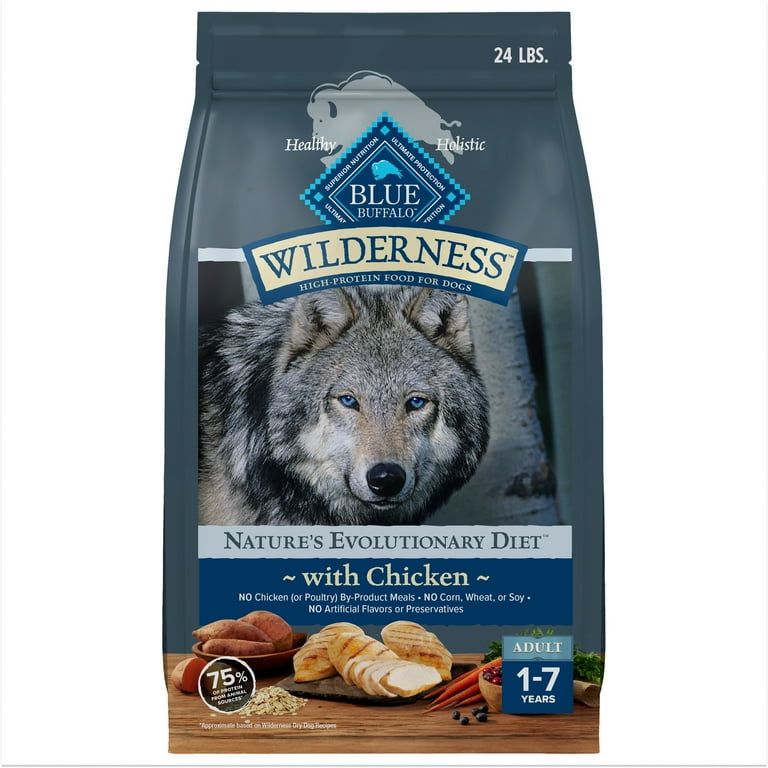
Many dog food brands use wolf imagery on their packaging. Wolves symbolize strength, nature, and wild instincts. This makes them a popular choice for brands wanting to highlight natural ingredients and primal nutrition. The wolf image connects with pet owners who want food that respects a dog’s heritage. It suggests food made with care and quality.
Several well-known brands feature wolves in their logos or packaging. These brands often focus on high-protein formulas and natural ingredients. They aim to support dogs’ health with recipes inspired by wild canines. Let’s explore some popular wolf-branded dog foods and what makes them special.
Top Wolf-branded Dog Foods
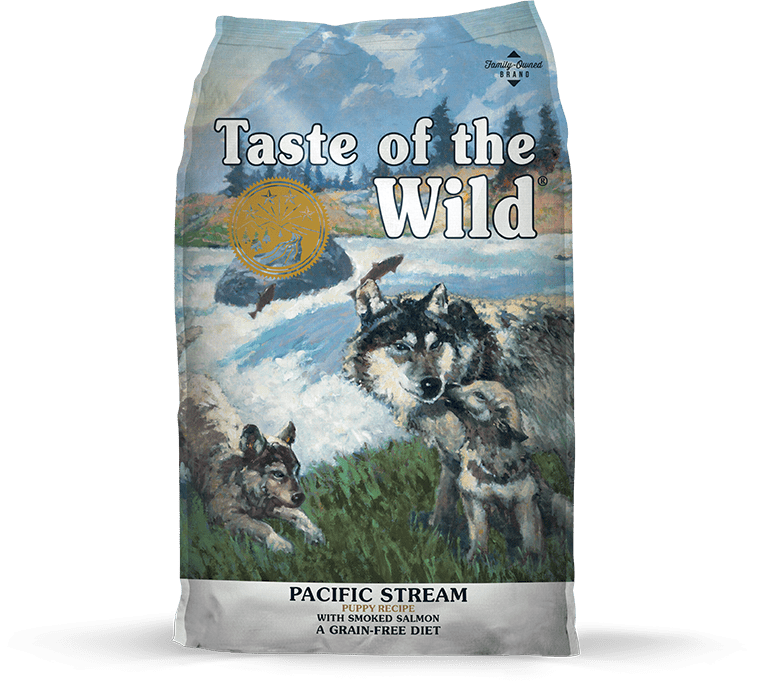
One famous brand is “Taste of the Wild.” Its packaging shows a wolf howling at the moon. The food contains real meat and ancient grains. It avoids fillers like corn or wheat.
Another is “Wolf’s Creek.” This brand uses a strong wolf image on its bags. It offers grain-free options with high protein. It focuses on natural nutrients for healthy skin and coat.
“Wolfgang” dog food also features a wolf on the label. It prides itself on using fresh, local ingredients. Their recipes include fruits and vegetables for balanced nutrition.
What Sets Them Apart
These brands focus on protein-rich meals that mimic a wild diet. Their wolf imagery reflects strength and natural living. Many use real meat as the first ingredient. They avoid artificial colors, flavors, and preservatives.
They often include omega fatty acids for healthy skin. Some add probiotics to aid digestion. Their formulas support active dogs with energy and nutrients.
Packaging often highlights sustainability and ethical sourcing. This appeals to pet owners who care about the planet. The wolf image helps convey a message of purity and wilderness.
Homemade Wolf-inspired Dog Food Recipes
Making homemade wolf-inspired dog food offers a natural way to feed your pet. Wolves eat mostly meat, with a mix of organs and bones. This diet supports their strong muscles and sharp teeth. You can create meals that reflect this balance for your dog. These recipes focus on real ingredients and simple cooking methods. Your dog will enjoy tasty, healthy food that suits its natural needs.
Homemade meals let you control what your dog eats. You avoid fillers and artificial additives. Plus, you can add supplements to boost health and energy. Keep recipes easy to prepare and packed with nutrients. This approach helps your dog stay happy and fit.
Simple Protein-rich Meals
Start with lean meats like chicken, turkey, or beef. Cook the meat without seasoning. Add small amounts of cooked vegetables such as carrots or green beans. Include a raw or cooked egg for extra protein and vitamins. Avoid onions, garlic, and other harmful foods. Mix all ingredients well for a balanced meal. Serve fresh or store in the fridge for later. This meal supports strong muscles and healthy skin.
Incorporating Natural Supplements
Natural supplements improve your dog’s diet. Fish oil adds omega-3 fatty acids for a shiny coat. Bone meal powder provides calcium for strong bones. Probiotics help digestion and gut health. Use small doses to avoid upsetting your dog’s stomach. Mix supplements into meals carefully. These extras boost your dog’s energy and immune system.
Credit: www.walmart.com
Frequently Asked Questions
What Does Wolf Image On Dog Food Mean?
A wolf image on dog food often symbolizes natural, high-protein ingredients. It suggests the food mimics a wolf’s diet. This appeals to pet owners seeking grain-free or raw-inspired options. The branding aims to convey strength, health, and ancestral nutrition for dogs.
Is Wolf-themed Dog Food Good For My Pet?
Wolf-themed dog food can be good if it meets your dog’s nutritional needs. Look for quality ingredients, balanced proteins, and essential nutrients. The wolf branding doesn’t guarantee quality, so check ingredient lists and reviews before buying.
Are Wolf-based Diets Suitable For All Dog Breeds?
Wolf-based diets focus on high protein and low carbs. They suit active dogs but may not be ideal for all breeds. Puppies, seniors, or dogs with allergies might need tailored diets. Always consult your vet before switching to wolf-inspired dog food.
How To Choose The Best Dog Food With Wolf Branding?
Choose dog food with wolf branding by checking ingredient quality first. Look for real meat, no fillers, and added vitamins. Research the brand’s reputation and recall history. Ensure the food suits your dog’s age, size, and health needs.
Conclusion
Choosing dog food with a wolf on it can mean natural ingredients. These brands often focus on meat and protein sources. Dogs may enjoy the taste and benefit from the nutrition. Always check the ingredient list for quality and safety.
Feeding your dog well supports their health and happiness. Remember, good food helps dogs live longer and feel better. Think about your dog’s needs before buying any food. Healthy meals make a big difference in your pet’s life.