Last Updated on September 10, 2026
Teaching your dog to pee in the right place is vital. It ensures a clean home and a happy pet.
Potty training can seem daunting, but it’s achievable with patience and consistency. Understanding your dog’s behavior is key. Dogs respond well to positive reinforcement and clear routines. In this guide, we’ll explore effective techniques to teach your dog to pee where you want.
From setting schedules to recognizing signs, you’ll learn practical tips. By the end, you and your dog will enjoy a mess-free environment. Ready to start? Let’s dive in and make potty training a success!
Credit: www.humanesociety.org
Choosing The Right Tools
Teaching your dog to pee in the right place is a crucial part of their training. Choosing the right tools can make this task easier and more effective. Here are the essentials you need.
Leash And Collar
A leash and collar are essential for guiding your dog to the designated peeing area. A sturdy leash ensures you have control, while a comfortable collar keeps your dog secure. Make sure the collar fits well but is not too tight.
- Measure your dog’s neck for the right fit.
- Choose a leash that is easy to grip.
- Use a harness if your dog pulls too much.
Pee Pads And Cleaners
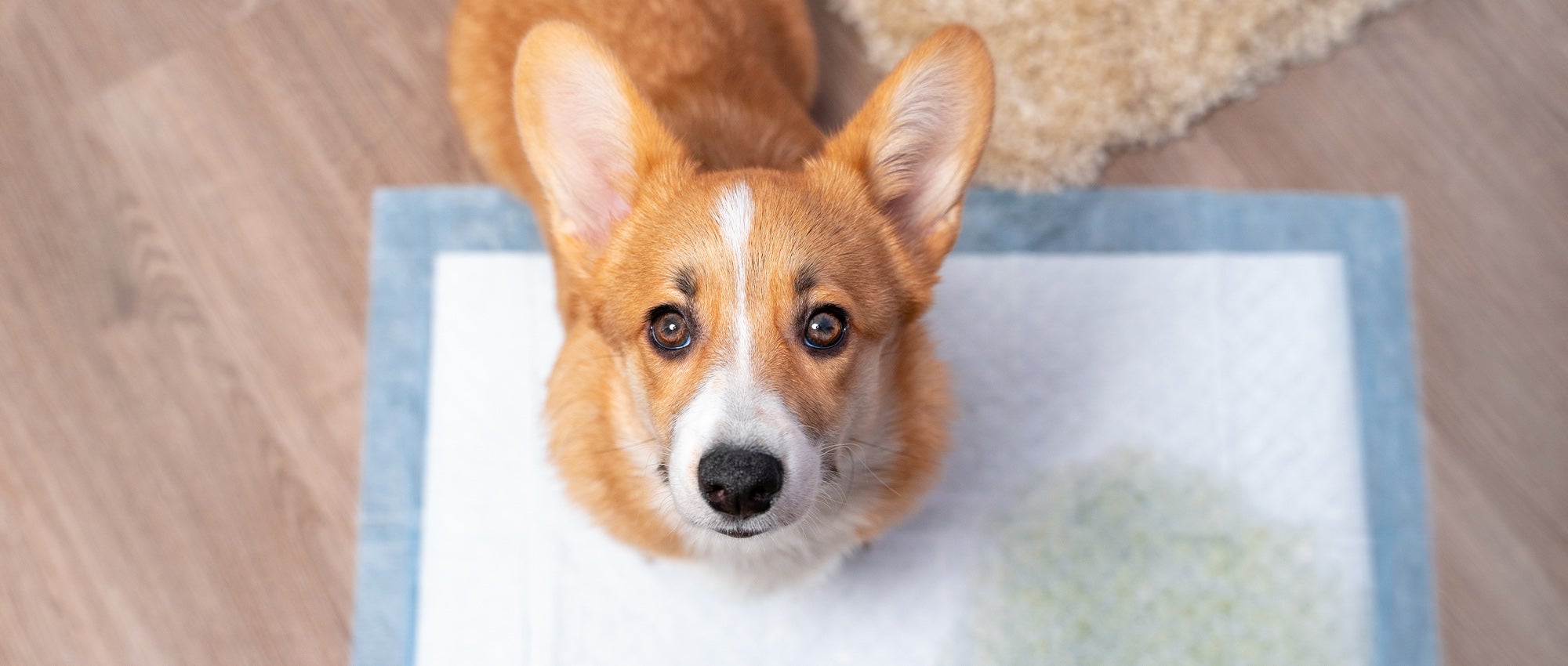
Pee pads are very helpful for indoor training. They absorb liquids and keep the area clean. Place the pad in a designated spot and encourage your dog to use it.
Accidents will happen. Always have cleaners on hand to remove stains and odors. Use pet-safe products to ensure your dog’s safety.
| Tool | Purpose |
|---|---|
| Pee Pads | Absorb urine and keep the area clean |
| Cleaners | Remove stains and odors |
Remember, consistency is key. Use these tools to create a routine and help your dog learn where to pee.
Establishing A Routine
Teaching your dog to pee in the right place requires a consistent routine. Dogs thrive on structure, and a well-established routine helps them understand what is expected. In this section, we will discuss how to create a consistent schedule and feeding times to help your dog learn faster.
Consistent Schedule
Creating a consistent schedule is crucial for training your dog. Take your dog outside at the same times every day. This helps your dog learn when it is time to pee.
- Take your dog out first thing in the morning.
- Let your dog out after meals.
- Ensure they go out before bedtime.
Stick to these times daily. This builds a reliable routine. Your dog will start to expect these times and will be more likely to wait.
Feeding Times
Regular feeding times play a big role in potty training. Feed your dog at the same times every day. This helps regulate their digestive system.
| Meal | Time |
|---|---|
| Breakfast | 7:00 AM |
| Lunch | 12:00 PM |
| Dinner | 6:00 PM |
Consistency in feeding times leads to regular bathroom times. This makes it easier to predict when your dog needs to go out.
Remember, establishing a routine takes time and patience. Stick to the schedule, and your dog will learn where and when to pee.
Designating A Pee Spot
Designating a pee spot is crucial in house-training your dog. It provides consistency and helps your dog understand where they should relieve themselves. This simple step can make the training process faster and easier for both you and your furry friend.
Indoor Vs Outdoor
First, decide if the pee spot will be indoors or outdoors. Indoor spots are useful for apartment living or inclement weather. Outdoor spots are great for those with yards or regular access to outdoor spaces.
For indoor spots, use pee pads or a litter box. Choose a low-traffic area, so your dog feels comfortable. For outdoor spots, pick a specific part of your yard. Ensure it is easy to access and away from play areas.
Marking The Area
Once you have chosen an indoor or outdoor spot, mark the area. For indoor spots, place a pee pad or tray in the chosen location. This helps your dog identify where to go.
For outdoor spots, use a marker like a small fence or rock. Take your dog to this spot each time they need to go. Praise them when they use the designated area. Consistency is key in helping your dog learn the right spot.
Positive Reinforcement
Positive reinforcement is a powerful method to teach your dog to pee in the right place. It focuses on rewarding good behavior, making it more likely to be repeated. This approach builds trust and strengthens the bond between you and your pet. Let’s explore how treats and praise, along with timing the rewards, can make this training effective.
Treats And Praise
Use treats to motivate your dog. Dogs love tasty rewards. Every time your dog pees in the right spot, give them a treat. It should be immediate. This helps them associate the action with the reward.
Praise is also important. Use a happy and excited tone. Say things like “Good job!” or “Well done!” This positive feedback boosts their confidence. Combined with treats, praise creates a double incentive for your dog.
Timing The Rewards
The timing of the reward is crucial. Give the treat and praise right after your dog pees. Waiting too long can confuse them. They need to link the action with the reward immediately.
Consistency is key. Always reward your dog every time they pee in the right place. This reinforces the behavior. Soon, they will understand where to pee without needing a treat every time.
Using positive reinforcement makes the training process smoother. It encourages your dog to learn quickly. And it strengthens your bond with them.
Handling Accidents
Accidents will happen when teaching your dog to pee outside. Handling these accidents calmly and effectively is key. This ensures your dog learns the right behavior without fear or confusion.
Cleaning Up
First, clean up the mess quickly. Use paper towels to soak up the urine. Then, clean the spot with an enzyme cleaner. This removes the scent completely. Dogs tend to return to the same spot if they can smell their pee.
Avoiding Punishment
Never punish your dog for accidents. Yelling or hitting them only creates fear. This fear can lead to more accidents. Instead, focus on positive reinforcement. Praise your dog when they pee in the right spot.
Patience is key. It takes time for dogs to learn new habits. Stay consistent and calm. Your dog will eventually understand where they should pee.
Training Techniques
Training your dog to pee in the right place can be challenging. Using effective techniques can make this process smoother and quicker. Below are some proven methods to train your dog to pee in the right place.
Crate Training
Crate training is a popular method to teach dogs to pee. Dogs naturally avoid soiling their sleeping area. This helps them learn control. First, choose a crate that’s the right size. It should be big enough for your dog to stand and turn around. But not too big.
Introduce the crate slowly. Make it a positive space. Put comfortable bedding and favorite toys inside. Encourage your dog to spend time in the crate. But don’t force them. Gradually, your dog will start seeing the crate as their den.
Take your dog outside for potty breaks at regular intervals. Especially after meals, playtime, and naps. Praise and reward them immediately after they pee outside. This reinforces good behavior. Consistency is key in crate training.
Bell Training
Bell training is another effective technique. It involves teaching your dog to ring a bell when they need to go outside. Start by hanging a bell on the door handle. The bell should be at your dog’s nose level.
Each time you take your dog outside to pee, ring the bell first. Use a command like “outside” while ringing the bell. Then take your dog out immediately. Praise and reward them when they pee outside.
With repetition, your dog will associate ringing the bell with going outside. Eventually, they will learn to ring the bell themselves when they need to pee. This method helps dogs communicate their needs effectively.
Dealing With Setbacks
Dealing with setbacks while teaching your dog to pee in the right place can be frustrating. It is normal to face challenges during this process. Patience and understanding are key. Identifying the reasons behind the setbacks helps you adjust your approach and get back on track.
Identifying Causes
Understanding why your dog is experiencing setbacks is crucial. Stress and anxiety can be major factors. Changes in the household or environment might also play a role. Health issues could be another cause. A visit to the vet can rule out medical problems.
Inconsistency in training methods might confuse your dog. Ensure everyone in the household follows the same routine. Identify any recent changes that might be affecting your dog’s behavior.
Adjusting The Routine
Once you identify the causes, adjust the routine accordingly. If stress is the issue, create a calm environment for your dog. Ensure they have a quiet place to relax. Regular exercise can help reduce anxiety.
Consistency in the training routine is key. Set a regular schedule for taking your dog outside. Praise and reward them each time they pee in the right place. Keep the training sessions short and positive.
If health issues are identified, follow the vet’s advice. Adjust the training routine to accommodate any special needs. Patience and persistence will eventually lead to success.

Credit: www.youtube.com
Consistency And Patience
Teaching your dog to pee in the right place requires consistency and patience. Without these two key elements, your training efforts might not yield the desired results. This process can take time, and it’s important to stay committed and positive throughout the journey.
Long-term Commitment
Training a dog to pee outside is a long-term commitment. Dogs need time to learn and understand where they should relieve themselves. You must be prepared for weeks or even months of regular training sessions. Consistency is critical. Take your dog out at the same times each day. This helps them develop a routine. Regular schedules make it easier for dogs to understand when and where they should pee.
Staying Positive
Staying positive during training is crucial. Dogs respond well to positive reinforcement. Praise and reward your dog every time they pee in the right place. Use treats, verbal praise, or petting as rewards. Avoid punishing your dog for accidents. Negative reactions can confuse them and slow down the training process.
Here are some key tips for staying positive during training:
- Always use a happy, encouraging tone.
- Be patient and understanding of mistakes.
- Celebrate small victories and progress.
Remember, patience and positivity go hand-in-hand. Together, they create a supportive environment for your dog to learn and succeed.

Credit: www.wikihow.com
Frequently Asked Questions
How Do I Start Potty Training My Dog?
Begin by establishing a regular feeding schedule. Take your dog outside frequently, especially after eating or drinking. Reward them for peeing outside.
What Age Should I Start Training My Puppy?
Start potty training your puppy at around 12 to 16 weeks old. At this age, they can control their bladder better.
How Often Should I Take My Dog Out To Pee?
Take your dog outside every two hours. Also, take them out after meals, naps, and playtime to prevent accidents.
Why Won’t My Dog Pee Outside?
Your dog may be scared, distracted, or not fully trained. Establish a routine, use positive reinforcement, and be patient.
Conclusion
Training your dog to pee outside takes patience and consistency. Always use positive reinforcement. Celebrate small successes. Stay calm and be patient. Create a routine for your dog. Take them out often, especially after meals. Praise them when they do well.
Avoid punishment. It confuses your dog. Stick with it. Your dog will learn. Remember, every dog is different. Adjust your methods as needed. Soon, you will see progress. Happy training!