Yes, dogs can pee in cat litter. But is it a good idea?
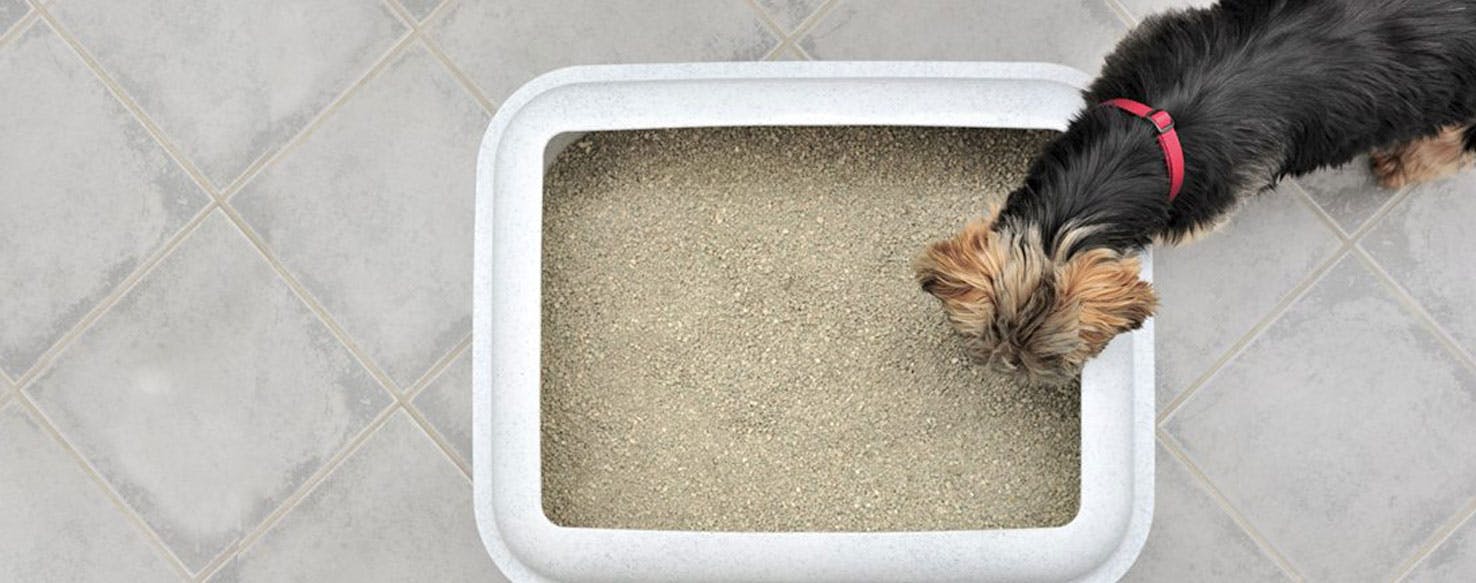
If you have both cats and dogs, you might wonder if they can share a litter box. Dogs are curious creatures. They may use cat litter out of convenience. But is it safe and hygienic for them? Understanding the pros and cons of this behavior can help you make an informed decision.
In this post, we will explore whether dogs should pee in cat litter, potential benefits, and any risks involved. This will help you maintain a clean and healthy environment for all your pets.
Introduction To Dogs Using Cat Litter
Introduction to Dogs Using Cat Litter
Many pet owners wonder if their dogs can use cat litter. This question arises for several reasons. It might be a matter of convenience, space, or necessity. Understanding if dogs can pee in cat litter involves looking at several factors.
Possible Or Not?
Dogs and cats have different bathroom habits. Cat litter is designed for cats. It absorbs their waste and controls odor. Dogs, on the other hand, usually go outside. They might not understand how to use a litter box. Yet, some dogs can learn. Training is key. It might take time and patience.
Common Scenarios
There are several situations where dogs might use cat litter.
| Scenario | Description |
|---|---|
| Small Apartments | Limited outdoor space makes indoor options necessary. |
| Cold Weather | Dogs might avoid going outside in extreme weather. |
| Injury or Illness | Dogs may need an indoor option if they are not well. |
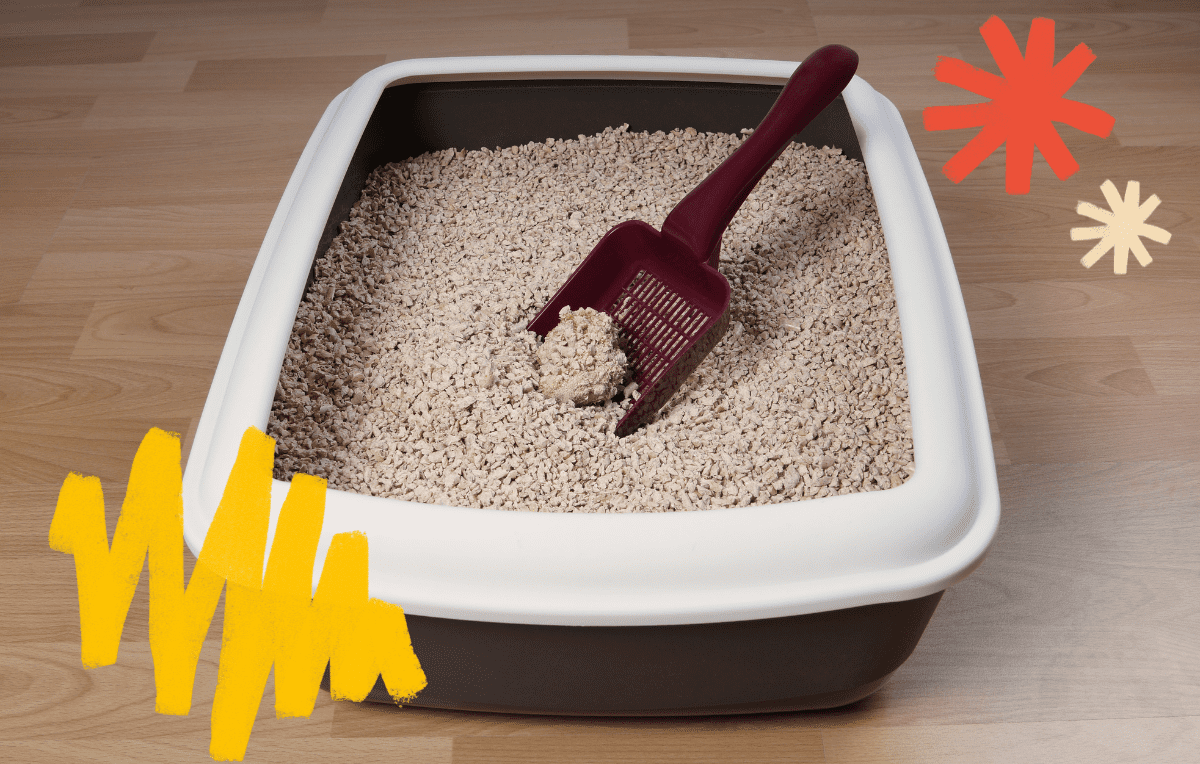
In these cases, using cat litter can be practical. Ensure the litter box is large enough. Use a type of litter that is safe for dogs.
Credit: www.dogtv.com
Benefits Of Dogs Peeing In Cat Litter
Many pet owners wonder about the benefits of dogs peeing in cat litter. While it may seem odd at first, there are several advantages to consider. This practice can save time and make life easier for both pets and their owners. Let’s explore some of the key benefits.
Convenience
Having a dog use a cat litter box can be very convenient. If you live in an apartment, it removes the need for frequent outdoor trips. This is especially helpful in bad weather. You can quickly clean up without going outside.
Cat litter boxes are also easy to maintain. You simply scoop out the soiled litter. This makes managing pet waste simpler and faster.
Hygiene
Using cat litter for dogs can improve hygiene in your home. Cat litter absorbs urine and controls odors. This keeps your home smelling fresh. It also reduces the spread of bacteria.
Cat litter is designed to clump. This makes it easy to spot and remove waste. This helps to keep the litter box clean for your dog.
Challenges And Issues
Allowing dogs to pee in cat litter may seem convenient. But, it comes with several challenges and issues. These issues range from behavioral to health-related concerns. Understanding these challenges can help you make better decisions for your pets.
Behavioral Problems
Dogs and cats have different instincts. Using the same litter can confuse them. Dogs may start displaying unusual behaviors. They might dig in the litter or even eat it. This can be harmful and lead to other problems.
Moreover, dogs might become territorial. They could start marking their territory in other parts of the house. This can lead to a messy and unpleasant environment. Training a dog to use cat litter is also difficult. It goes against their natural instincts.
Health Concerns
Cat litter is designed for cats, not dogs. Some types of litter can be harmful if ingested. Dogs might eat the litter, causing digestive issues. This can lead to serious health problems.
Additionally, cat litter can cause respiratory issues in dogs. The dust from the litter can irritate their lungs. Over time, this can lead to chronic respiratory problems. It’s best to keep dog and cat bathroom habits separate.
There is also the risk of infections. Sharing litter can spread bacteria and parasites. This can make both your dog and cat sick. Always prioritize your pets’ health and safety.

Credit: www.amazon.com
Types Of Cat Litter For Dogs
Dogs can sometimes use cat litter for peeing, but not all cat litter types are suitable. Understanding the types of cat litter for dogs can help in choosing the right one. Let’s explore the different options available.
Clay Litter
Clay litter is one of the most common types found in stores. It clumps well and absorbs moisture quickly. This makes it easy to clean. For dogs, it can be an option, but it has some drawbacks.
Pros:
- Good absorption
- Easy to clean
Cons:
- Dusty, which can cause respiratory issues
- May stick to your dog’s paws and fur
Silica Litter
Silica litter is made from silica gel crystals. It is known for its excellent absorption and odor control. This type of litter is less messy and produces less dust.
Pros:
- High absorption rate
- Low dust production
- Effective odor control
Cons:
- More expensive than clay litter
- Not biodegradable
Choosing the right type of cat litter for dogs involves weighing the pros and cons of each type. Consider your dog’s needs and health when making a decision.
Training Your Dog
Training your dog to use cat litter can be quite convenient. It can help keep your home clean and make potty breaks easier. This process requires patience and consistency. Below are some steps to help you train your dog effectively.
Initial Steps
Start by choosing the right litter box. It should be large enough for your dog to turn around in. Some dogs might prefer a covered box, while others might not. Experiment to see what your dog prefers.
Place the litter box in a quiet and accessible location. Your dog should feel comfortable using it without any distractions. Introduce your dog to the litter box. Let them sniff around and get used to it.
Next, use a command like “go potty” to encourage your dog. If they use the box, reward them with praise and a treat. Positive reinforcement works wonders.
Consistency
Consistency is key in training. Take your dog to the litter box at regular intervals. This could be after meals, naps, or playtime. Stick to a routine to help your dog understand when to use the litter box.
If your dog has an accident outside the box, clean it up without scolding. Avoid punishments as they can cause fear. Instead, calmly guide your dog back to the litter box and encourage them to use it next time.
Remember to be patient. Training can take time, especially if your dog is older. Keep a positive attitude and celebrate small successes.
Alternatives To Cat Litter
While some dogs might adapt to using cat litter, it’s not always the best solution. There are several alternatives that can make life easier for both you and your dog. These alternatives are convenient and designed specifically for dogs. Let’s explore some of these options.
Pee Pads
Pee pads are a popular choice for many dog owners. They are absorbent and easy to use. Place them in a designated area where your dog feels comfortable. They contain a special scent that attracts dogs, making them more likely to use them. Pee pads are disposable, which makes cleaning up simple and quick.
Outdoor Solutions
Some dogs prefer to pee outside. Creating a specific area in your yard can help. You can use gravel, sand, or grass in this area. Make sure it is easy for your dog to access. Consistency is key, so take your dog to the same spot every time. This helps them understand where they should go.
Cleaning And Maintenance
Cleaning and maintaining a litter box shared by dogs and cats can be challenging. It’s essential to keep it clean to ensure both pets use it comfortably. A clean litter box also prevents bad odors and keeps your home fresh.
Litter Box Cleaning
Regular cleaning is crucial. Scoop out waste at least once a day. This prevents buildup and keeps the litter box inviting for both your dog and cat. Use a sturdy scoop to remove clumps and solid waste. After scooping, add fresh litter to maintain a consistent level. This helps absorb urine and control odors.
Once a week, empty the entire litter box. Wash it with warm water and mild soap. This removes any lingering odors and keeps the box sanitary. Ensure the box is completely dry before adding new litter. Damp litter can create a breeding ground for bacteria.
Odor Control
Odor control is essential for a pleasant home environment. Choose a high-quality, odor-absorbing litter. Some litters contain baking soda or charcoal to neutralize smells. These types are effective in managing odors from both dogs and cats.
Consider placing the litter box in a well-ventilated area. Good airflow helps disperse odors. You can also use an air purifier near the litter box to reduce smells. Regularly clean the surrounding area to prevent lingering odors.
Using an enzyme cleaner can help break down urine and feces odors. This type of cleaner is more effective than regular cleaners for pet waste. Spray it on the litter box and surrounding area after scooping to keep odors at bay.
Credit: wagwalking.com
Expert Opinions
Many dog owners wonder if their pets can use cat litter boxes. Expert insights help clarify this. We have gathered thoughts from veterinarians and behaviorists. They offer valuable advice on this topic.
Veterinarian Insights
Veterinarians agree that dogs can pee in cat litter. But it is not ideal. Cats and dogs have different needs. Litter designed for cats may not suit dogs. Also, dogs may ingest litter, which can be harmful.
Some vets suggest using dog-specific litter. It is safer and more suitable for dogs. This type of litter is less likely to cause health issues. Additionally, it can absorb urine better, reducing odors.
Behaviorist Advice
Behaviorists note that dogs and cats have different bathroom habits. Dogs may struggle with the concept of a litter box. They may prefer to pee outside. Training a dog to use a litter box can be challenging. It requires patience and consistency.
Here are some tips from behaviorists:
- Start with a larger litter box.
- Use dog-friendly litter.
- Place the box in a quiet area.
- Reward the dog for using the box.
Behaviorists also emphasize the importance of understanding your dog’s needs. Some dogs may never adapt to using a litter box. Respect your pet’s preferences and consult with experts if needed.
Frequently Asked Questions
Can Dogs Use Cat Litter Boxes?
Yes, dogs can use cat litter boxes. Training might be required. Choose a larger, sturdier litter box. Ensure it’s regularly cleaned.
Is Cat Litter Safe For Dogs?
Most cat litters are safe for dogs. Avoid clumping or scented litters. They can cause digestive issues if ingested.
Why Would A Dog Use Cat Litter?
Dogs may use cat litter for convenience. It can be helpful for indoor potty training or during bad weather.
How To Train A Dog To Use Cat Litter?
Train your dog by introducing the litter box gradually. Use positive reinforcement and treats. Be patient and consistent.
Conclusion
Dogs can pee in cat litter, but it’s not always ideal. Consider the litter type. Some may irritate your dog’s skin. Training your dog for outdoor peeing might be better. Keep an eye on your pet’s behavior. Consult a vet if needed.
Your dog’s comfort and health should always come first. Exploring different options can help you find what works best. Always strive for a clean, happy home for both pets.
Last Updated on April 2, 2026