Last Updated on September 2, 2026
Have you ever wondered if your curious cat can safely snack on walnuts? You’re not alone.
As a pet owner, you want to keep your furry friend happy and healthy, but it’s easy to get confused about which human foods are safe for them. Walnuts might seem like a harmless treat, but are they really good for your cat?
Keep reading to find out the surprising truth about walnuts and your feline companion—and learn what you should do if your cat happens to nibble on one. Your cat’s health could depend on it!
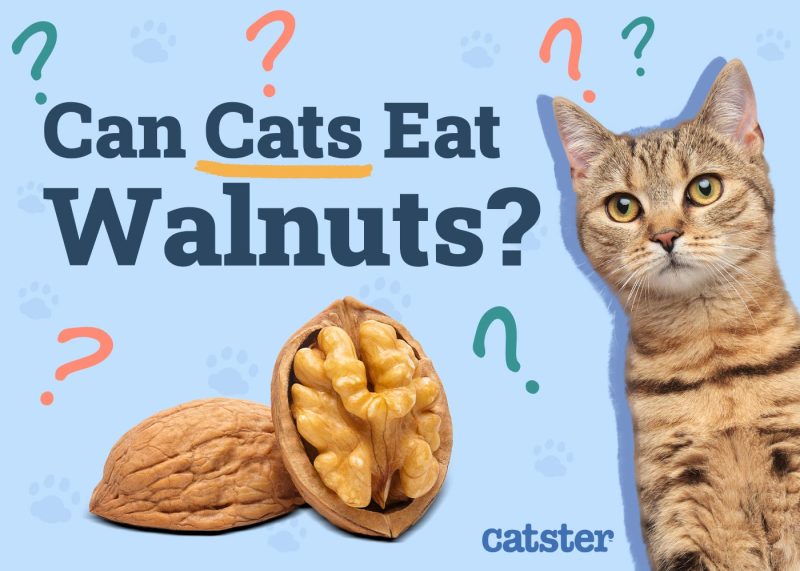
Credit: www.catster.com
Are Walnuts Safe For Cats
Walnuts are a common snack in many households. But can cats eat them safely? This question is important for pet owners who want to keep their cats healthy.
Walnuts contain nutrients for humans but can pose risks for cats. Understanding these risks helps prevent health problems in your pet.
Toxicity Risks
Walnuts are not toxic to cats in small amounts. Still, some types of walnuts, like black walnuts, can be harmful. They may cause stomach upset or neurological issues. The mold on old walnuts can produce toxins dangerous for cats.
Potential Allergies
Cats can have allergies to nuts, including walnuts. Signs include itching, swelling, or breathing difficulties. If your cat shows these signs, avoid giving walnuts and consult a vet.
Choking Hazards
Walnuts are hard and can cause choking. Small pieces might get stuck in your cat’s throat. Always break walnuts into tiny bits or avoid giving them altogether. Better safe than sorry with your feline friend.
Nutritional Impact Of Walnuts On Cats
Walnuts have a unique mix of nutrients that affect cats differently than humans. Understanding the nutritional impact of walnuts on cats helps pet owners make safe choices. Cats have specific dietary needs that walnuts may not fully meet.
Exploring the nutrient content of walnuts reveals what benefits and risks they bring to a cat’s diet. Comparing walnuts to regular cat food shows why cats need specially made meals.
Nutrient Content
Walnuts are rich in healthy fats, mainly omega-3 and omega-6 fatty acids. They also contain protein, fiber, vitamins, and minerals. These nutrients support heart health and brain function in humans.
Cats need protein from animal sources. Walnuts lack essential amino acids cats require. Fiber in walnuts is not easily digestible by cats. Some vitamins in walnuts do not suit feline metabolism.
Benefits And Drawbacks
Walnuts provide healthy fats that may support a shiny coat in cats. Small amounts might offer antioxidants that help reduce inflammation.
Walnuts can cause digestive problems for cats. They may lead to vomiting or diarrhea. The high fat content risks pancreatitis in some cats. Walnuts also carry a risk of choking or intestinal blockage.
Some cats may have allergies or sensitivities to tree nuts. Always watch for signs of discomfort after walnut exposure.
Comparison With Cat Food
Commercial cat food is specially balanced to meet all feline nutritional needs. It contains the right proteins, fats, vitamins, and minerals for cats.
Walnuts do not replace these essentials. They lack taurine, an amino acid vital for cats’ heart and eye health. Cat food formulas go through testing to ensure safety and digestibility.
Feeding walnuts instead of cat food can lead to nutrition gaps. Cats thrive best on diets designed for their species.
Signs Of Walnut Poisoning In Cats
Walnuts can be harmful to cats. Knowing the signs of walnut poisoning helps protect your pet. Cats may show symptoms soon after eating walnuts. Watch closely for changes in behavior and health.
Early detection is key. Acting fast can prevent serious problems. Recognizing symptoms lets you get help right away. This section explains common symptoms, when to seek veterinary care, and possible long-term effects.
Common Symptoms
Look for vomiting and diarrhea. These are often the first signs. Cats may also seem weak or tired. Loss of appetite is common after walnut ingestion. Some cats might have trouble breathing. Tremors or shaking can occur in severe cases. Swelling in the mouth or throat is a danger sign. Watch for unusual behavior or confusion.
When To Seek Veterinary Care
Contact a vet immediately if symptoms appear. Delay can worsen the condition. Vomiting that lasts more than a few hours needs attention. Difficulty breathing requires urgent care. If your cat is very weak or unresponsive, call the vet. Do not wait for symptoms to go away on their own. Quick treatment increases chances of recovery.
Long-term Effects
Some cats recover fully with treatment. Others may face lasting problems. Kidney damage is a serious risk after poisoning. Liver issues can also develop over time. Watch for ongoing lethargy or appetite loss. Regular vet check-ups help track recovery. Early care reduces chances of long-term harm.

Credit: fishrpc.kz
Safe Treat Alternatives For Cats
Choosing safe treats for your cat is important for their health. Many human snacks, like walnuts, can be harmful. Cats need special treats that support their diet and digestion.
There are many safe options you can try. These treats keep your cat happy and healthy. They also strengthen the bond between you and your pet.
Cat-friendly Nuts And Seeds
Cats do not need nuts in their diet. Some nuts can cause stomach upset or allergies. Small amounts of plain, unsalted pumpkin seeds or sunflower seeds are usually safe. Always check with your vet before offering any nuts or seeds.
Commercial Treat Options
Many pet stores sell treats made just for cats. These treats often contain meat or fish flavors. They have balanced nutrients to support your cat’s health. Choose treats with natural ingredients and no artificial additives.
Homemade Treat Ideas
Simple homemade treats can be fun to make. Cooked chicken or fish pieces work well. You can also blend cooked pumpkin or sweet potato. Freeze small portions for easy, healthy snacks. Homemade treats let you control ingredients and avoid harmful additives.
Preventing Walnut Exposure
Preventing walnut exposure is important to keep cats safe and healthy. Walnuts can cause digestive problems and other health issues in cats. Taking steps to avoid accidental contact or ingestion helps protect your furry friend. Simple habits at home can reduce risks and keep walnuts out of reach.
Safe Storage Tips
Store walnuts in sealed containers. Keep these containers high and away from counters. Avoid leaving walnut shells or pieces on tables or floors. Regularly check areas where walnuts are used or stored. Clean up any crumbs or spills immediately. Use childproof or pet-proof containers for extra safety.
Training Cats To Avoid Nuts
Teach your cat to stay away from nuts using gentle commands. Use a firm “no” when your cat approaches walnuts. Reward your cat for ignoring walnuts with treats or praise. Use safe deterrents like citrus scents near walnut areas. Be patient; training takes time and consistency. Avoid punishment, as it can cause fear or stress.
Household Precautions
Keep walnut-containing foods out of your cat’s reach. Inform family members and guests about walnut dangers. Avoid feeding your cat any human nuts or nut products. Check bags and pockets for walnuts before interacting with your cat. Regularly inspect your home for hidden walnuts or shells. Use barriers like baby gates to limit cat access to certain rooms.

Credit: www.omnewyork.com
Frequently Asked Questions
Can Cats Safely Eat Walnuts?
Cats should not eat walnuts. Walnuts can cause digestive upset and pose a choking hazard. They may also contain toxins harmful to cats.
What Are The Risks Of Walnuts For Cats?
Walnuts can cause vomiting, diarrhea, and allergic reactions in cats. Moldy walnuts may contain toxins that affect the nervous system and cause seizures.
Are Walnuts Toxic To Cats?
Walnuts are not directly toxic but can cause health issues. Moldy or spoiled walnuts contain harmful toxins that can be dangerous to cats.
What Should I Do If My Cat Eats Walnuts?
If your cat eats walnuts, monitor for symptoms like vomiting or lethargy. Contact your vet immediately if any signs of distress appear.
Conclusion
Cats should not eat walnuts due to health risks. Walnuts can cause stomach upset and allergic reactions. Small amounts might not harm, but avoid giving them anyway. Safer treats include cat-friendly snacks made for their diet. Always watch your cat for any signs of illness after eating something new.
Keep walnuts and other nuts out of your cat’s reach. Protect your pet by choosing safe foods and treats. A healthy cat is a happy cat.