Last Updated on June 15, 2026
Have you ever wondered if fleas can drown? If you’re dealing with these tiny pests in your home or on your pets, you probably want quick and effective ways to get rid of them.
Understanding whether fleas can survive underwater can change how you approach flea control. Keep reading to discover the surprising truth about fleas and water—and learn what really works to protect your home and loved ones.
Flea Biology Basics
Fleas are tiny insects that survive by feeding on blood. They live on animals like dogs and cats. Understanding flea biology helps us learn if fleas can drown.
Fleas have special features that help them live in many places. Their bodies and movements are built for survival. Let’s explore how fleas are made and how they move.
Flea Anatomy And Adaptations
Fleas have flat, narrow bodies. This shape helps them move through animal fur easily. Their bodies are hard and covered with tiny hairs. These hairs protect fleas and help them cling to fur.
Fleas have strong legs. The back legs are long and powerful for jumping. Fleas can jump many times their body length. This helps them move from one host to another quickly.
How Fleas Move And Survive
Fleas move by jumping and crawling. They use their legs to jump high and far. This helps them catch a new host fast.
Fleas survive by feeding on blood. They bite animals and suck blood for food. Fleas can live for weeks without food but need blood to lay eggs.
Fleas can hold their breath for a short time. This helps them survive in water for a little while. But they cannot stay underwater for too long.
Credit: fleascience.com
Fleas And Water
Fleas are tiny insects that live on animals and sometimes humans. They are known for their quick jumps and biting. Water is a common part of life, so people wonder how fleas react to it. Understanding how fleas interact with water helps in controlling them better.
Can Fleas Swim Or Float?
Fleas cannot swim like some insects. Their bodies are not made to move in water. They also do not float easily. Fleas have small legs and bodies that make sinking in water quick. This means they struggle to stay on water surfaces.
Effects Of Water On Flea Survival
Water can harm fleas in many ways. When fleas get wet, they lose their ability to move fast. Water also makes it hard for them to breathe. Fleas breathe through tiny holes on their bodies that water can block. This can cause them to drown if submerged for long.
Still, fleas can survive short times in water. They cling tightly to fur or skin to avoid drowning. But standing water or baths can reduce flea numbers. Water alone does not kill all fleas, but it weakens them and helps other treatments work better.
Do Fleas Drown?
Do fleas drown? This question may seem simple but it has a surprising answer. Fleas are tiny insects that live on animals and can be hard to get rid of. Understanding whether fleas can drown helps in controlling them better.
Scientific Evidence On Flea Drowning
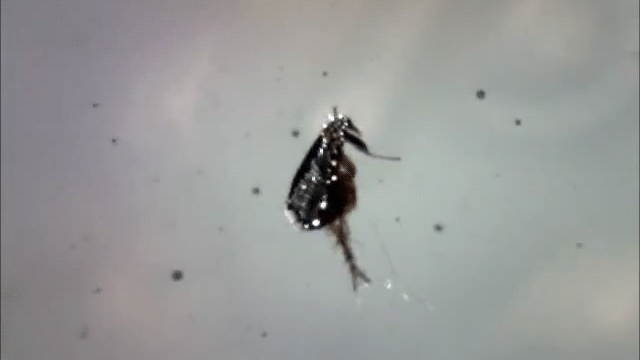
Research shows fleas do not drown easily. Their bodies are adapted to avoid water damage. Fleas can trap air close to their bodies. This air acts like a small life jacket. It helps them float and survive underwater for some time.
Studies reveal fleas can stay underwater for hours without dying. They enter a state of low activity to save energy. This ability makes it tough to kill fleas by simply drowning them.
Factors Influencing Flea Mortality In Water
Several factors affect whether fleas die in water. Temperature plays a big role. Cold water slows their metabolism but may not kill them.
Water movement also matters. Strong currents can force fleas underwater for longer periods. This increases their chances of dying.
The type of water affects flea survival. Chlorinated or soapy water can harm fleas more than plain water. Chemicals weaken their protective outer layer. This causes them to drown faster.

Credit: www.reddit.com
Flea Control Methods Involving Water
Water plays a role in some flea control methods. Many pet owners use water to help reduce fleas on their pets. Bathing pets is a common way to wash away fleas and dirt. Using water alone might not kill all fleas, but it helps remove some of them. Understanding how water helps in flea control can guide pet owners in managing flea problems better.
Bathing Pets To Remove Fleas
Bathing pets with water helps wash off fleas and flea dirt. Using mild pet shampoo makes the bath more effective. The shampoo can kill fleas or make it harder for them to stay on pets. Wetting the pet completely allows the water and shampoo to reach fleas hiding in fur. Rinsing well removes dead fleas and eggs from the fur. Bathing also soothes skin irritated by flea bites.
Limitations Of Water-based Flea Treatments
Water alone does not kill all fleas on pets. Fleas can hold their breath and survive underwater for a short time. Flea eggs and larvae often hide in carpets and bedding, where water cannot reach. Flea control needs more than just bathing to stop infestations. Using water-based treatments along with other methods works best. Regular cleaning of pet areas is important to remove flea eggs and larvae.
Alternative Flea Eradication Techniques
Fleas are tough pests that need strong methods to remove. Many people want options beyond just drowning fleas. Alternative flea eradication techniques offer different ways to fight these insects. These methods can be safer for pets and homes. They also help control fleas without harsh chemicals.
These techniques include chemical treatments and natural remedies. Each has its own benefits and uses. Understanding these options helps you choose the best way to keep fleas away.
Chemical Treatments
Chemical treatments are popular for quick flea control. They include sprays, powders, and spot-on products. These chemicals kill fleas at different stages of their life. Some stop flea eggs from hatching, while others kill adult fleas fast.
Many products are designed for pets and home use. Always follow instructions carefully for safety. Chemical treatments can work well but may need repeated use. They help reduce flea numbers quickly and protect pets from bites.
Natural And Home Remedies
Natural remedies use everyday items to fight fleas. Some include vinegar, lemon, and essential oils. These are less harsh than chemicals and safer for pets.
Vacuuming and washing pet bedding also help remove fleas. Diatomaceous earth is a natural powder that kills fleas by drying them out. It works best when applied in dry areas where fleas hide.
Natural methods may take longer but can prevent fleas safely. Using these remedies regularly can keep fleas under control without strong chemicals.
Preventing Flea Infestations
Preventing flea infestations is the best way to keep your home and pets safe. Fleas breed quickly and can cause discomfort and health problems. Taking steps to stop fleas early saves time and stress later. Small changes in your home and pet care can make a big difference. Understanding these steps helps you protect your family and pets from fleas.
Environmental Management
Fleas live in carpets, furniture, and pet bedding. Keep these areas clean by vacuuming often. Dispose of vacuum bags or empty canisters outside your home. Wash pet bedding and blankets in hot water weekly. Reduce clutter where fleas can hide. Use flea sprays or powders on carpets and furniture if needed. Maintain your yard by cutting grass and removing debris. Fleas thrive in warm, shady spots outside. Keeping your home and yard clean lowers flea chances.
Regular Pet Care Practices
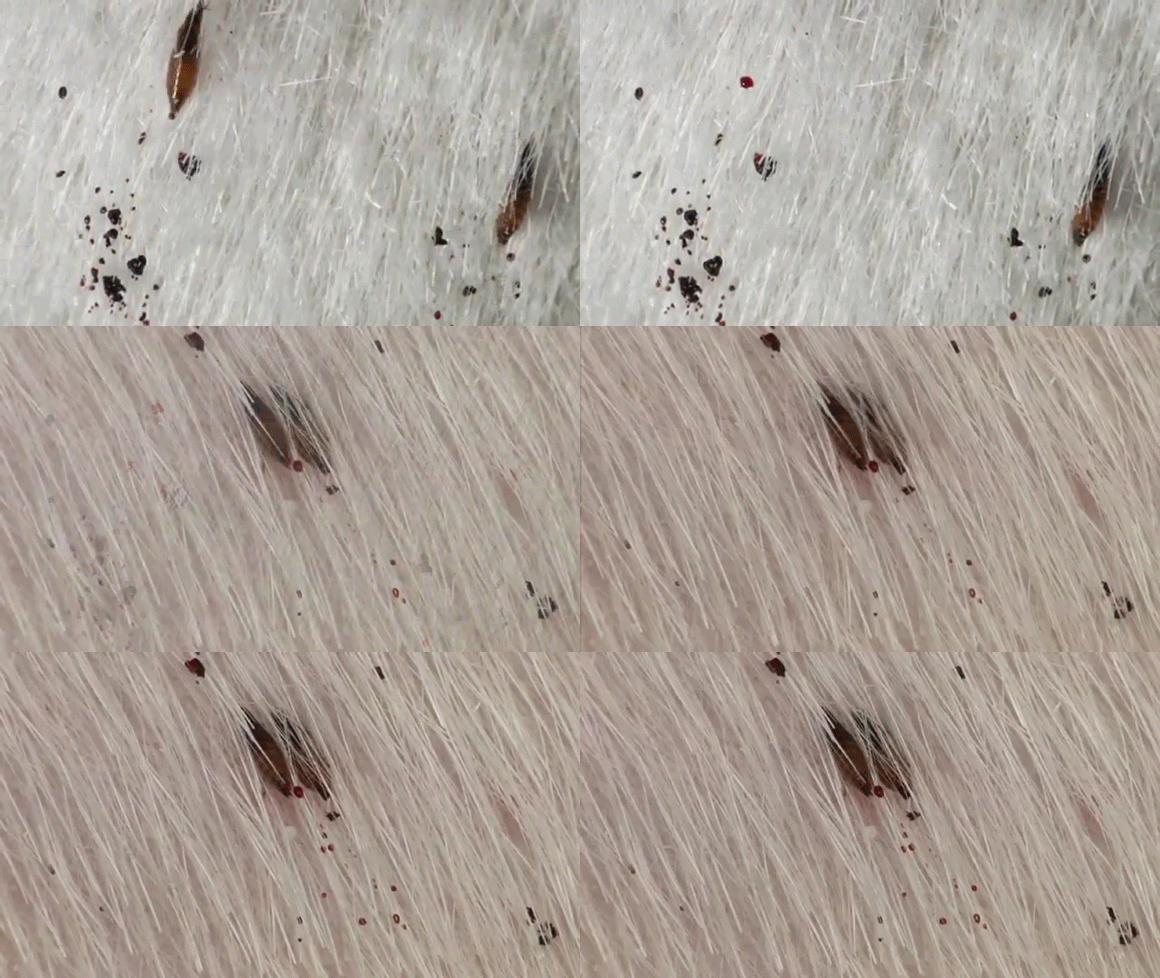
Check pets for fleas regularly, especially after outdoor time. Use flea combs to find and remove fleas. Bathe pets with flea shampoos to kill fleas on contact. Talk to your vet about flea prevention medicines. These medicines protect pets for weeks or months. Do not skip treatments during colder months. Fleas can still live indoors. Regular pet grooming and flea control keep your pets healthy and flea-free.
Credit: www.pawlicy.com
Frequently Asked Questions
Can Fleas Survive Underwater?
Fleas cannot survive underwater for long. They breathe through small openings and drown if submerged too long. However, brief exposure to water may not kill them instantly.
How Long Does It Take For Fleas To Drown?
Fleas usually drown within minutes when fully submerged. Their respiratory system cannot function underwater, causing quick suffocation. This makes drowning an effective method to eliminate fleas.
Can Fleas Live In Swimming Pools?
Fleas rarely survive in swimming pools. Chlorinated water and chemicals kill them quickly. Fleas prefer dry, warm environments like pet fur, not pools.
Does Bathing Pets Remove Fleas Effectively?
Bathing pets helps remove fleas but may not kill all. Using flea shampoo combined with combing is more effective in eliminating fleas and their eggs.
Conclusion
Fleas cannot easily drown because they trap air to breathe. Water alone does not kill them quickly. To control fleas, combine water with other treatments. Use flea shampoos, sprays, or powders for better results. Clean your pet’s bedding and vacuum often.
Stay patient; flea control takes time and effort. Knowing how fleas survive helps you fight them well. Keep your home and pets safe from these pests. Small steps make a big difference in flea control.