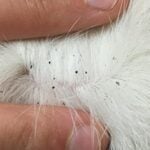
Last Updated on June 16, 2026
Losing a cat after giving them flea treatment at home is every pet owner’s nightmare. You trusted a simple remedy to protect your furry friend, but things went terribly wrong.
If you’re feeling shocked, confused, or desperate for answers, you’re not alone. This article will help you understand what might have caused this tragedy and how to keep your cat safe in the future. Don’t miss what comes next—it could save your cat’s life.
:strip_icc()/fleas-and-your-cat-552346-Final-742910b7cca544ed95622e97fd075d22.jpg)
Credit: www.thesprucepets.com
Common Flea Treatments For Cats
Fleas cause discomfort and health problems for cats. Treating fleas effectively is important for your pet’s well-being. Several options exist to control and remove fleas safely. Understanding common flea treatments helps choose the best method for your cat.
Over-the-counter Options
These treatments are easy to buy and use. They include flea shampoos, sprays, and collars. Many products kill fleas quickly on contact. Some also prevent new fleas from hatching. Always follow instructions to avoid harming your cat.
Prescription Medications
Veterinarians often recommend stronger flea control medicines. These include pills, topical drops, and injections. Prescription meds work fast and last longer. They often protect against other parasites too. A vet’s advice ensures safety and proper dosing.
Home Remedies Popularity
Some owners prefer natural flea treatments at home. Common remedies include apple cider vinegar and essential oils. These methods may repel fleas but lack scientific proof. Incorrect use can cause harm to cats. Use caution and consult a vet before trying home remedies.
Credit: baileyscbd.com
Risks Of Home Remedies
Home remedies for flea treatment might seem safe and cheap. Many cat owners try them first to avoid chemicals. Yet, these remedies come with real risks. Some can harm your cat badly. Understanding these dangers helps keep your pet safe.
Toxic Ingredients To Avoid
Many home remedies use natural items. Some plants and oils seem harmless. But some are toxic to cats. Tea tree oil, garlic, and onion are common examples. Even small amounts can cause severe poisoning. Avoid any ingredient not proven safe for cats.
Incorrect Dosage Dangers
Measuring the right amount is hard at home. Too much of a remedy can hurt your cat. Overdosing can cause vomiting, seizures, or worse. Cats are smaller and more sensitive than dogs. Never guess the dose; it can lead to serious harm.
Skin Reactions And Allergies
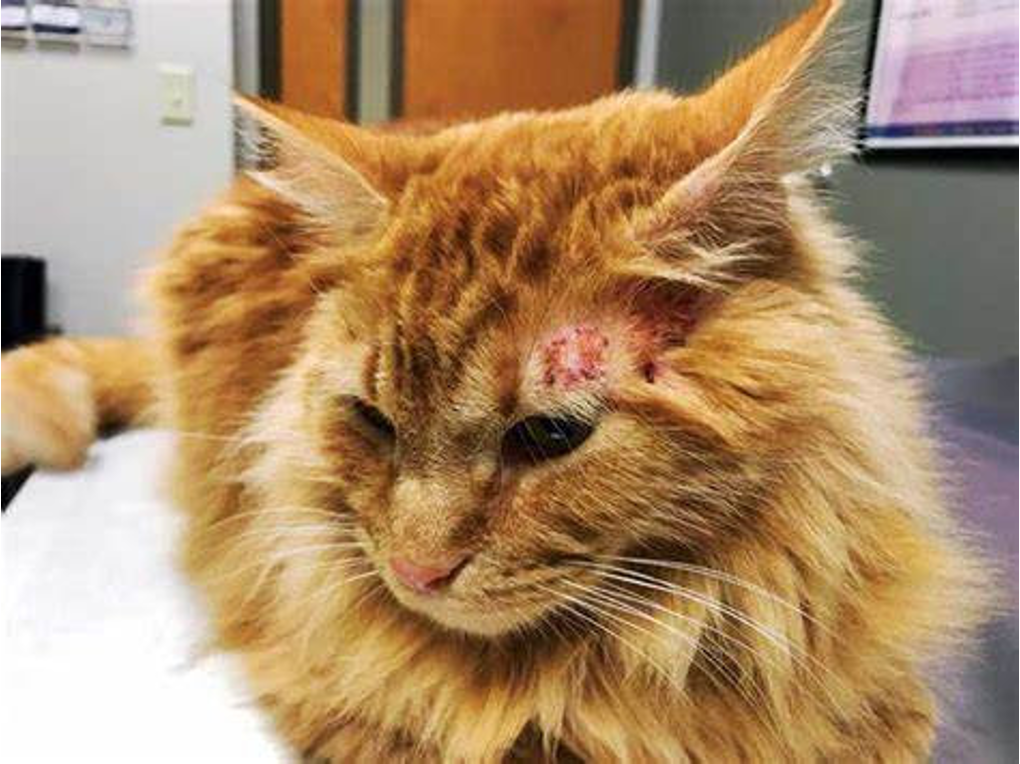
Applying home remedies may cause skin problems. Cats can develop redness, itching, or swelling. Allergic reactions might need urgent vet care. Watch your cat closely after any treatment. Stop use immediately if you see irritation or discomfort.
Case Studies Of Fatal Reactions
Cat deaths after flea treatment home remedies have raised serious concerns. These cases highlight risks many pet owners may not expect. Understanding these stories helps protect your cat from harm.
Many pet owners try natural flea treatments to avoid chemicals. Unfortunately, some home remedies can cause severe reactions. Examining real cases shows why caution is essential.
Reported Incidents
Several reports describe cats dying after using home flea treatments. Some cats showed sudden illness after applying essential oils or vinegar solutions. Others developed severe skin irritation or breathing problems. These incidents often happened within hours or days of treatment.
One case involved a cat exposed to tea tree oil, which is toxic to cats. Another cat died after ingesting a garlic-based flea remedy. These stories show that natural does not always mean safe.
Symptoms Leading To Death
Common symptoms before death include vomiting, diarrhea, and weakness. Cats may also have seizures or trouble breathing. Skin redness and swelling often appear where the remedy was applied.
In some cases, cats stop eating or drinking and become very tired. These signs suggest poisoning or severe allergic reactions. Immediate veterinary care is crucial to save the cat’s life.
Veterinarian Insights
Veterinarians warn against using untested home remedies. Many substances safe for humans harm cats. Essential oils and some plants contain chemicals toxic to them.
Experts stress the importance of proper flea treatments made for cats. They recommend consulting a vet before trying any remedy. Early treatment improves chances of recovery if a reaction occurs.
Safe Alternatives For Flea Control
Flea treatments can be risky, especially with home remedies that might harm your cat. Safe alternatives protect your pet while controlling fleas effectively. These options focus on your cat’s health and comfort without harsh chemicals. Explore safer ways to keep fleas away and keep your cat happy and healthy.
Vet-approved Treatments
Vet-approved flea treatments are tested for safety and effectiveness. These products include topical drops, oral medications, and flea collars. They kill fleas quickly without harming your cat. Always follow the vet’s instructions carefully. Regular check-ups help monitor your cat’s health during treatment.
Natural But Safe Options
Natural flea control uses ingredients that are less harsh. Options include diatomaceous earth, which dries out fleas, and neem oil, a natural insect repellent. These methods work gently and reduce chemical exposure. Use these products in small amounts and watch for any skin reactions.
Preventive Measures
Preventing fleas is better than treating infestations. Regular grooming removes fleas and eggs early. Keep your home clean by vacuuming carpets and furniture often. Wash your cat’s bedding in hot water weekly. Preventive care stops fleas from becoming a big problem.
What To Do If Your Cat Shows Symptoms
Noticing your cat acting strange after flea treatment can be scary. Knowing what to do if your cat shows symptoms is very important. Quick action can protect your cat’s health. Watch your cat closely and be ready to act fast.
Recognizing Warning Signs
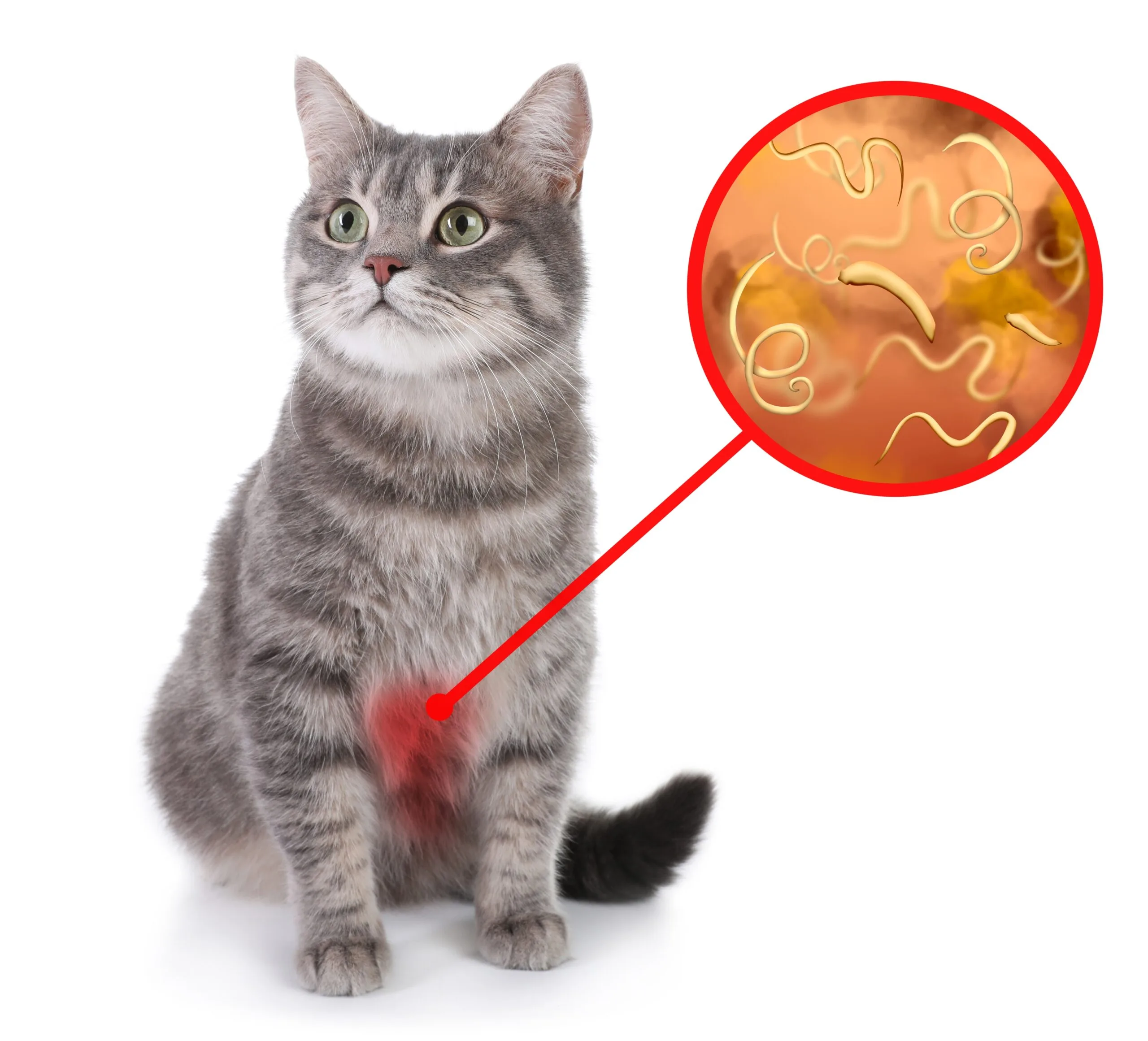
Look for sudden vomiting or diarrhea. Your cat may breathe fast or have trouble breathing. Check for shaking or weakness. Watch if your cat becomes very sleepy or unresponsive. Scratching or swelling around the treatment area also matters. These signs can mean your cat is in trouble.
Immediate First Aid Steps
Remove your cat from the treated area. Gently wipe the skin with a damp cloth to remove leftover medicine. Do not use harsh chemicals or soaps. Keep your cat calm and quiet. Offer fresh water but do not force your cat to drink. Avoid home remedies without vet advice.
When To Contact A Vet
Call your vet right away if you see any warning signs. Explain your cat’s symptoms and the flea treatment used. Follow the vet’s instructions carefully. Early professional help can save your cat’s life. Do not wait or hesitate to get help.
Credit: centraltexasanimalhospital.com
Preventing Flea Infestations Without Harm
Preventing flea infestations without harm is possible with gentle and safe methods. Avoid harsh chemicals that can hurt your cat. Focus on natural care and home habits. This helps keep your cat healthy and flea-free.
Regular Grooming Tips
Brush your cat often to catch fleas early. Use a fine-toothed flea comb to remove eggs and adults. Pay close attention to the neck and tail areas. Bathing your cat with mild, pet-safe shampoo can also reduce fleas. Grooming helps spot problems before they grow.
Environmental Cleaning
Clean your cat’s bedding and favorite spots regularly. Wash blankets and cushions in hot water to kill fleas. Vacuum carpets, floors, and furniture daily to remove flea eggs and larvae. Dispose of vacuum bags right away to prevent re-infestation. A clean home breaks the flea life cycle.
Healthy Diet Benefits
Feed your cat a balanced diet to boost its immune system. Healthy skin is less likely to attract fleas. Some natural foods support skin health and repel pests. Consult your vet before adding supplements. Good nutrition helps your cat fight fleas naturally.
Frequently Asked Questions
What Causes A Cat To Die After Flea Treatment?
Toxic reactions from improper flea treatments can harm cats. Some home remedies contain harmful ingredients. Always consult a vet before applying treatments.
Are Home Remedies Safe For Flea Treatment In Cats?
Not all home remedies are safe for cats. Some ingredients can be toxic or cause allergic reactions. Vet-approved treatments are safer and more effective.
How Can I Prevent Flea Treatment Side Effects In Cats?
Use vet-recommended products and follow instructions carefully. Avoid using harsh or unproven home remedies. Monitor your cat for any adverse reactions after treatment.
What Are Signs Of Flea Treatment Poisoning In Cats?
Symptoms include vomiting, drooling, weakness, seizures, or difficulty breathing. Immediate vet care is crucial if these signs appear after treatment.
Conclusion
Treating fleas with home remedies can sometimes be risky. Not all natural solutions are safe for cats. Always check with a vet before trying new treatments. Cats can react badly to some ingredients. Protect your pet by using trusted products.
Watch your cat closely after any flea treatment. Quick action can save your cat’s life. Keep your furry friend safe and healthy first. Your cat depends on you to make wise choices.