Last Updated on June 8, 2026
Are you tired of battling fleas on your pets or in your home? You might have heard that cinnamon can help get rid of these pesky bugs.
But does cinnamon really kill fleas, or is it just another myth? If you want a safe, natural way to protect your furry friends and your living space, it’s important to know what actually works. Keep reading to discover the truth about cinnamon and fleas—so you can make the best choice for your family and pets.
How Fleas Affect Pets
Fleas are tiny pests that cause big problems for pets. These small insects bite and feed on your pet’s blood. This can make your pet feel very uncomfortable. Flea bites often cause itching and redness. Pets may scratch or bite their skin to try to stop the itch. This scratching can lead to wounds and infections.
Fleas are more than just a nuisance. They can affect your pet’s health in serious ways. Knowing how fleas impact your pets helps you protect them better.
Common Flea Problems
Pets with fleas often show signs like constant scratching and hair loss. Flea bites create small red bumps on the skin. These bites can cause allergic reactions in some pets. Flea dirt, which looks like tiny black specks, can appear on your pet’s fur. Fleas can also cause restlessness and irritability in pets. These problems make pets unhappy and tired.
Health Risks For Pets
Fleas carry germs that can cause diseases. Pets may develop flea allergy dermatitis, a painful skin condition. Fleas can also lead to anemia in young or small pets. This happens when fleas suck too much blood. In rare cases, fleas transmit tapeworms to pets. These health risks make flea control very important.

Credit: tropiclean.com
Cinnamon As A Flea Treatment
Cinnamon is a common spice known for its warm, sweet aroma. It also has natural properties that may help control fleas. Many people seek natural ways to manage pests around their homes and pets. Cinnamon offers a potential alternative to chemical flea treatments.
Using cinnamon for fleas is simple and inexpensive. It can be sprinkled on carpets, pet bedding, or areas where fleas hide. The spice’s strong smell may repel fleas and disrupt their lifecycle. While not a guaranteed flea killer, cinnamon can support a flea control routine.
Active Compounds In Cinnamon
Cinnamon contains important oils and chemicals that affect pests. Cinnamaldehyde is the main compound responsible for its scent and insect-repelling power. This oil can irritate the nervous system of fleas, making it uncomfortable for them to stay.
Other compounds like eugenol and cinnamic acid also contribute to cinnamon’s pest control abilities. These natural substances have insecticidal and antimicrobial effects. They may help reduce flea numbers and prevent new infestations.
Traditional Uses For Pest Control
People have used cinnamon for pest control for centuries. It was common in old homes to keep insects away. Cinnamon’s strong smell masks other scents that attract pests like fleas and ants.
In traditional medicine and farming, cinnamon was sprinkled in storage areas to protect grains from bugs. Some cultures used it on animals to reduce biting insects. These practices show cinnamon’s long history as a natural pest deterrent.
Scientific Evidence On Cinnamon And Fleas
Scientific research on cinnamon’s effect on fleas is limited. Most knowledge comes from small studies and natural remedy reports. Understanding this research helps us see if cinnamon works well against fleas.
Some experiments test cinnamon’s power to kill or repel fleas. Comparing cinnamon with other flea treatments shows its real strength and limits.
Laboratory Studies
Few lab studies explore cinnamon’s impact on fleas. Some tests show cinnamon oil can kill flea larvae. The oil’s strong smell may stop fleas from settling.
Most studies focus on cinnamon oil, not the spice itself. The oil contains cinnamaldehyde, which harms insect nervous systems. This effect can reduce flea survival in controlled settings.
Lab results vary by concentration and application method. High doses of cinnamon oil may kill fleas quickly. Lower doses often only repel fleas or slow their growth.
Effectiveness Compared To Other Remedies
Cinnamon is less studied than common flea treatments. Products with chemicals like pyrethroids usually work faster. They kill fleas at all life stages.
Natural remedies like diatomaceous earth or neem oil often get more support. Cinnamon ranks lower in proven effectiveness. Still, it offers a mild, natural option for flea control.
Its safety for pets and humans is a plus. But cinnamon alone may not solve heavy flea infestations. Combining it with other treatments could improve results.
Safe Ways To Use Cinnamon On Pets
Cinnamon has a strong scent that some believe repels fleas. Using cinnamon safely on pets requires care. It is important to protect your pet’s skin and health. Only specific methods are safe for pets. Avoid direct contact with cinnamon oils or powders in large amounts. Follow guidelines to use cinnamon without harm. Understanding risks helps keep your pet safe and comfortable.
Proper Application Methods
Use ground cinnamon sparingly. Lightly sprinkle a small amount on your pet’s fur. Avoid the face and sensitive areas. Gently brush the cinnamon through the fur to spread it evenly. Do not use cinnamon essential oil. This oil is very strong and can irritate your pet’s skin or cause breathing problems. Instead, mix a small pinch of ground cinnamon with your pet’s shampoo. Wash and rinse thoroughly to prevent residue. Always test on a small skin area first to check for allergies. Repeat application only once a week to avoid skin dryness.
Potential Risks And Precautions
Cinnamon can cause skin irritation or allergic reactions. Watch for redness, itching, or swelling after use. If your pet licks cinnamon, it may upset their stomach. Large amounts can be toxic, especially cinnamon oil. Keep cinnamon products out of your pet’s reach. Avoid using cinnamon on cats. Cats are more sensitive to essential oils and powders. Consult your veterinarian before starting any new flea treatment. Use cinnamon only as a mild, supportive flea deterrent. Combine with other safe flea control methods for best results.
Alternative Natural Flea Remedies
Natural flea remedies offer gentle ways to protect pets and homes. These options avoid harsh chemicals that can irritate skin or harm the environment. Many people prefer natural methods to keep fleas away safely and effectively.
Some natural remedies work by repelling fleas. Others kill them on contact. These methods often use plants or oils with insect-fighting properties.
Herbal Treatments
Herbs have long helped control pests like fleas. Plants such as rosemary, peppermint, and lavender can repel fleas naturally. Dried herbs placed around pet bedding or in homes create a barrier against fleas.
Applying herbal sprays made from these plants can reduce flea bites. They smell pleasant and are safe for most pets. Herbal treatments do not kill fleas instantly but prevent infestations over time.
Essential Oils And Their Effects
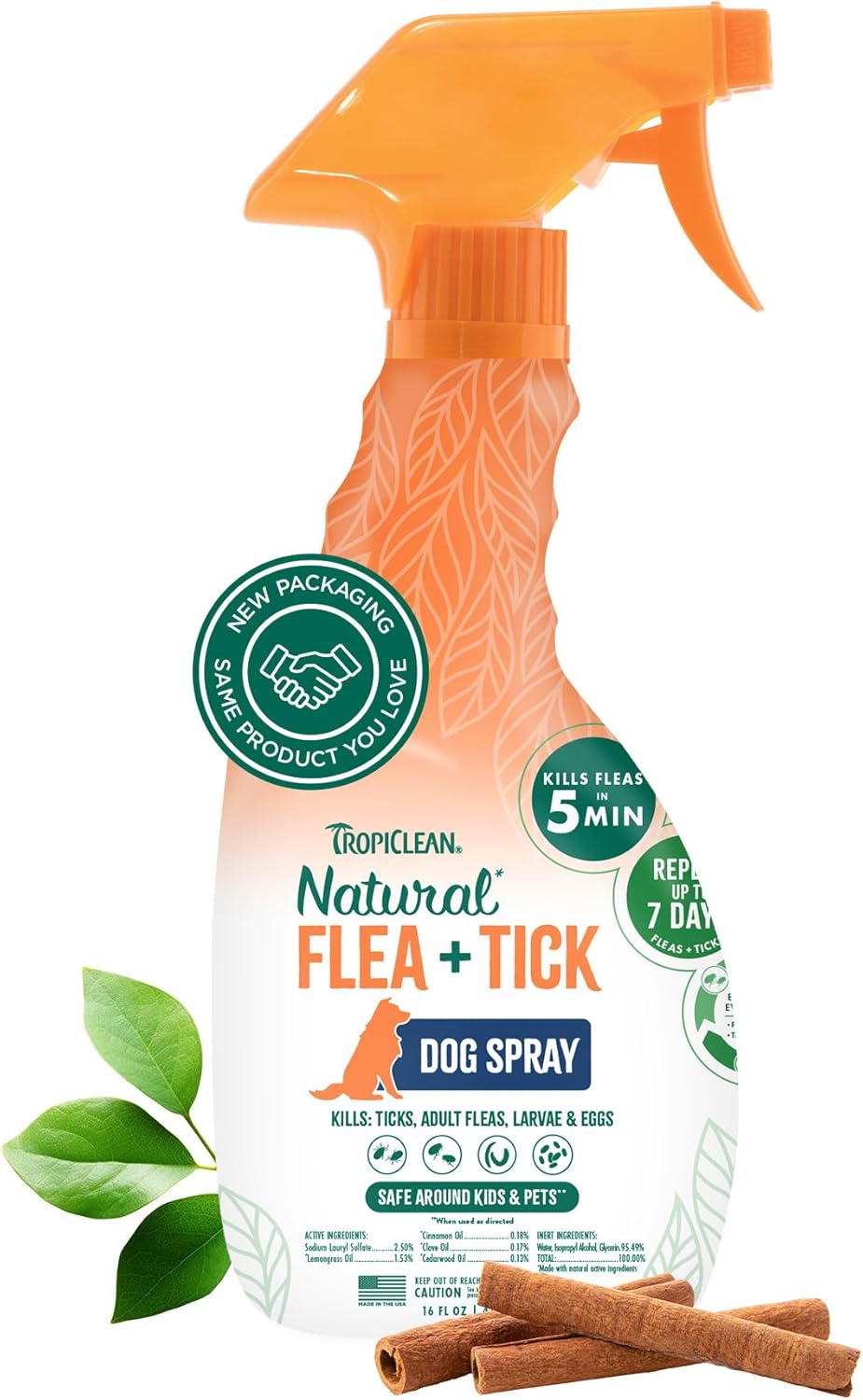
Essential oils come from plants and contain strong scents that fleas dislike. Oils like eucalyptus, cedarwood, and neem show promising effects against fleas. These oils can be diluted and applied to pets or areas where fleas hide.
Essential oils disrupt flea nervous systems, causing them to flee or die. Use oils carefully, as some can harm pets if used in high amounts. Always dilute oils and test on a small skin area first.
Credit: www.bigdogpetsupply.com
When To Consult A Veterinarian
Knowing when to see a vet is important for your pet’s health. Fleas can cause serious problems if not treated well. Sometimes, home remedies like cinnamon are not enough. A veterinarian can offer the right care and advice. Watch your pet closely for signs that need expert help.
Signs Of Severe Infestation
Pets with many fleas often scratch and bite themselves. You may see red, irritated skin or small wounds. Hair loss can happen in patches. Your pet might be restless or seem uncomfortable. Fleas can cause anemia, making pets weak and tired. If your pet shows any of these signs, visit a vet quickly.
Professional Flea Control Options
Vets provide strong flea treatments that work fast. These include sprays, shampoos, and oral medicines. Professionals can also check your home for fleas. They may recommend cleaning methods to stop fleas from returning. Using vet-approved products is safer and more effective than home remedies alone.

Credit: petpro.tropiclean.com
Frequently Asked Questions
Does Cinnamon Effectively Kill Fleas On Pets?
Cinnamon may repel fleas but does not reliably kill them on pets. Fleas require proven treatments like medicated shampoos or vet-approved products. Using cinnamon alone is not a safe or effective flea control method for animals.
Can Cinnamon Powder Prevent Flea Infestations At Home?
Cinnamon powder can help repel fleas temporarily but won’t prevent infestations alone. Consistent cleaning, vacuuming, and insecticides are necessary to control fleas indoors effectively. Cinnamon is best used as a supplementary natural deterrent.
Is Cinnamon Safe For Pets When Used Against Fleas?
Cinnamon can irritate pets’ skin and should be used cautiously. Consult a veterinarian before applying cinnamon or any natural remedy to your pet. Avoid direct contact with cinnamon essential oils, which can be toxic to animals.
How Does Cinnamon Compare To Chemical Flea Treatments?
Cinnamon is less effective than chemical flea treatments. Chemicals target fleas at all life stages, providing thorough control. Cinnamon may repel but not eliminate fleas, so it’s best for minor prevention, not full treatment.
Conclusion
Cinnamon may help repel fleas but does not kill them completely. It works best as a mild, natural option for flea control. Stronger treatments are needed to remove fleas from pets and homes. Always check with a vet before trying new remedies on animals.
Combining cinnamon with proper cleaning can reduce flea problems. Stay patient and consistent for better results. Flea control takes time and care, not quick fixes.