Last Updated on June 9, 2026
Are you tired of seeing your furry friend scratch and bite at their fur? Fleas and ticks aren’t just annoying—they can also cause serious health problems for your pet.
You might be wondering if flea and tick sprays really work or if they’re just another product that promises a lot but delivers little. Understanding how these sprays work, their effectiveness, and what you should look for can save you time, money, and worry.
Keep reading to discover the truth about flea and tick sprays and how they can help protect your pet.
Credit: www.hotshot.com
How Flea And Tick Sprays Work
Flea and tick sprays offer a practical way to protect pets from pests. These sprays work by targeting parasites directly on the pet’s fur and skin. They kill or repel fleas and ticks to prevent bites and infestations. Understanding how these sprays work helps in choosing the right product and using it correctly.
Active Ingredients Explained
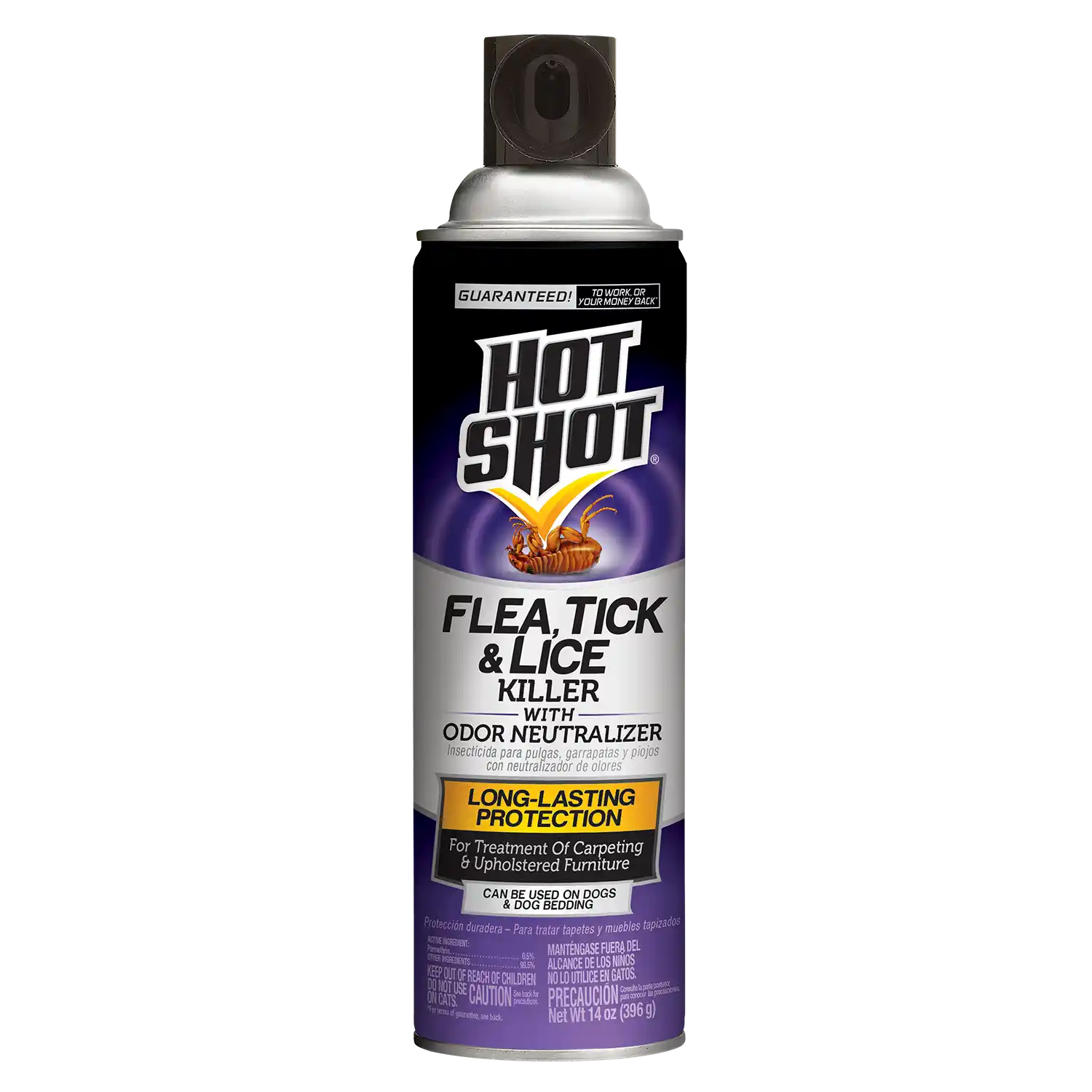
Most flea and tick sprays contain chemicals that affect the nervous system of parasites. Ingredients like permethrin and pyrethrins are common. They quickly stun and kill fleas and ticks on contact. Some sprays include insect growth regulators (IGRs). IGRs stop flea eggs and larvae from growing into adults. This breaks the life cycle and reduces infestations over time.
Effectiveness Against Different Parasites
Flea and tick sprays vary in their effectiveness against pests. Some target only fleas, while others work on ticks and lice too. The type of parasite affects how well the spray works. Ticks are harder to kill because of their tough shells. Fleas reproduce faster and need constant control. Choose a spray designed for the specific parasites your pet faces.
Choosing The Right Spray For Your Pet
Choosing the right flea and tick spray for your pet is very important. The right spray keeps your pet safe and healthy. Different pets need different sprays. Some sprays work better on dogs, others on cats. Some sprays suit pets with sensitive skin. Knowing what to pick helps avoid skin problems and keeps pests away.
Understanding your pet’s needs and the spray types makes a big difference. This guide covers the main points to help pick the best spray for your pet’s protection.
Factors To Consider
Consider your pet’s age and size before buying a spray. Some sprays are only for adult pets. Others work for puppies and kittens too. Check if your pet has allergies or sensitive skin. Choose sprays with gentle ingredients for sensitive pets. Think about the environment your pet lives in. Outdoor pets might need stronger protection. Indoor pets might need milder sprays. Also, check the spray’s safety instructions carefully.
Spray Types And Formulations
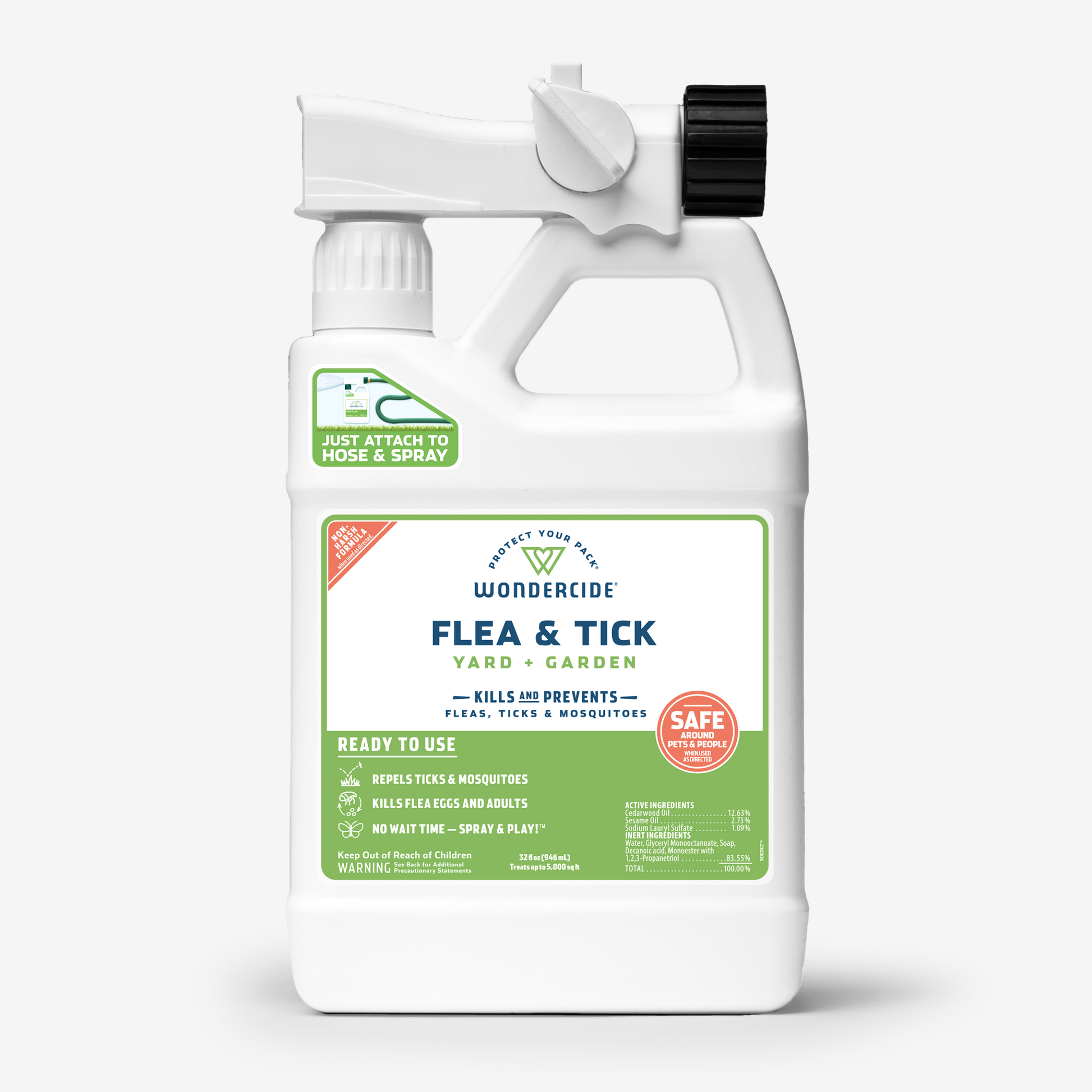
Flea and tick sprays come in many forms. Some sprays kill pests on contact. Others prevent pests from coming back. Some sprays use natural ingredients like essential oils. Others use chemicals for fast results. Choose natural sprays for pets that react to chemicals. Chemical sprays may work better for heavy infestations. Some sprays also repel mosquitoes and other bugs. Read labels to find sprays that fit your pet’s needs.
Proper Application Techniques
Applying flea and tick spray correctly is crucial for its effectiveness. Proper technique ensures the spray reaches all areas where pests hide. It also helps protect your pet from bites and infections. Follow clear steps and safety measures for the best results.
Step-by-step Spray Application
Start by choosing a well-ventilated area to spray your pet. Hold the spray bottle about 6 to 12 inches away from your pet’s fur. Spray evenly over the entire body, avoiding the eyes, nose, and mouth. Pay special attention to areas behind the ears, under the legs, and around the tail. Use your hand to spread the spray into the fur gently. Do not over-saturate the coat. Allow the spray to dry naturally without rinsing. Repeat treatment as recommended on the product label.
Safety Tips For Pets And Owners
Keep pets calm and still during application. Avoid spraying on open wounds or irritated skin. Wash your hands thoroughly after use. Keep children and other pets away during spraying. Store the spray in a cool, dry place out of reach. Read and follow all instructions on the label carefully. Use only products made for your pet’s species and size. Stop use and consult a vet if your pet shows signs of discomfort or allergic reactions.
Common Mistakes To Avoid
Using flea and tick spray correctly matters a lot. Many people make simple mistakes that reduce the spray’s effect. Avoiding these errors helps keep pets safe and pest-free.
Overuse And Underuse Risks
Applying too much spray can harm your pet’s skin. It might cause irritation or allergic reactions. Overuse does not kill pests faster. It just wastes the product and risks pet health.
Using too little spray leaves fleas and ticks alive. They can multiply and cause more problems. Follow the instructions on the label carefully. Use the right amount for your pet’s size.
Ignoring Environmental Controls
Spray alone does not fix flea and tick problems. These pests live in your pet’s surroundings too. Clean bedding, carpets, and furniture often to reduce pests.
Use vacuuming and washing to remove flea eggs and larvae. Treat outdoor areas if your pet spends time outside. This stops pests from coming back quickly.
Alternative Flea And Tick Protection Methods
Alternative flea and tick protection methods provide options beyond sprays. These methods target pests differently and suit various pet needs. Some pet owners prefer collars or oral medications. Others choose natural or home remedies. Understanding these options helps in choosing the best care for pets.
Collars And Oral Medications
Flea and tick collars release chemicals that repel pests. They work for several weeks or months. Collars are easy to use and cost-effective. Oral medications kill fleas and ticks from inside the pet’s body. They usually work faster than collars. Some pills protect pets for a month or longer. Both methods require regular use for best results.
Natural And Home Remedies
Natural remedies include essential oils, herbal sprays, and powders. These may repel fleas and ticks without harsh chemicals. Some people use apple cider vinegar or lemon water sprays. Regular grooming and bathing can also reduce pests. Home remedies work best in mild cases or as a backup. Their effectiveness varies and may not fully prevent infestations.

Credit: www.wondercide.com
Signs Flea And Tick Spray Is Working
Knowing the signs that flea and tick spray is working helps ensure your pet’s health. You want to see clear results after applying the spray. Some signs show that the spray is effective in killing pests and protecting your pet from bites.
Behavioral And Physical Indicators
Your pet may scratch less often. Fleas and ticks cause itching, so less scratching means fewer pests. Look for fewer red bumps or irritated skin on your pet’s body. Fleas often cause small red spots or scabs. Check the fur for fewer fleas or ticks. You might see dead fleas on your pet or in their bedding. Pets may seem calmer and more comfortable.
When To Reapply Or Change Products
If itching or scratching returns, the spray may no longer work. Fleas and ticks can develop resistance over time. Reapply the spray as directed on the label, usually every few weeks. Watch for any new signs of pests after reapplication. If the spray does not reduce fleas or ticks, consider a different product. Consult your vet for advice on the best treatment options. Regular monitoring helps keep your pet pest-free.
Veterinarian Recommendations
Veterinarians play a key role in guiding pet owners on flea and tick control. Their advice helps keep pets safe and healthy. They understand the best ways to use flea and tick sprays effectively. Many pet owners trust their recommendations to protect their animals.
Professional Advice On Prevention
Vets stress the importance of regular flea and tick checks. They suggest using sprays as part of a broader prevention plan. Regular grooming helps spot pests early. Keeping your home clean reduces flea eggs and larvae. Vets recommend treating all pets in the household. This stops fleas and ticks from spreading.
Combining Treatments Safely
Vets warn against mixing different flea and tick products without advice. Some chemicals can react badly together. They advise discussing all treatments your pet uses. This includes sprays, collars, and oral medications. A vet can create a safe, effective plan. Following their guidance prevents side effects and improves protection.
Credit: www.wondercide.com
Maintaining A Flea And Tick-free Home
Keeping your home free from fleas and ticks requires more than just sprays. These pests hide in many places. A clean, controlled environment helps stop them from spreading. Careful cleaning and pet grooming play big roles. Together, they create a safe space for your family and pets.
Cleaning And Environmental Control
Vacuum floors, carpets, and furniture often. Flea eggs and larvae hide in these spots. After vacuuming, dispose of the bag outside to prevent re-infestation. Wash pet bedding and soft toys in hot water weekly. Keep your yard tidy by mowing grass and trimming bushes. Fleas and ticks thrive in tall grass and leaf piles. Use environmental sprays designed for your home and garden. Follow instructions carefully to avoid harm to pets and people.
Regular Pet Grooming Practices
Brush your pets daily to spot fleas and ticks early. Bathing pets with flea-control shampoo can reduce pests. Check behind ears, under legs, and around the tail. Use flea combs to remove any bugs you find. Regular grooming also helps keep your pet’s skin healthy. Talk to your vet about safe tick and flea treatments. Consistent care protects pets and stops pests from spreading in your home.
Frequently Asked Questions
How Effective Is Flea And Tick Spray On Pets?
Flea and tick sprays can be effective when used correctly. They kill and repel pests on contact. However, effectiveness depends on the product’s ingredients and proper application. Always follow label instructions for best results and safety.
Can Flea And Tick Spray Prevent Future Infestations?
Yes, many sprays contain ingredients that repel pests and prevent new infestations. Regular use as directed helps maintain protection. Combining sprays with other treatments boosts effectiveness and keeps pets pest-free longer.
Are Flea And Tick Sprays Safe For All Pets?
Most sprays are safe for dogs and cats if used as directed. Some ingredients may not suit puppies or kittens. Always check the label for age and species recommendations before applying the spray.
How Often Should Flea And Tick Spray Be Applied?
Frequency varies by product but usually ranges from weekly to monthly. Overuse can harm pets, while underuse may reduce effectiveness. Follow the product guidelines to maintain optimal protection without risk.
Conclusion
Flea and tick spray can help protect your pet from pests. It works best when used as directed and regularly. Spray often, especially during warm months when pests are active. Remember, no spray is 100% perfect. Combine sprays with other care, like cleaning your home and checking your pet.
Keep your pet safe and comfortable with good flea and tick control. Stay consistent and watch for any signs of pests. Your pet will thank you with a happy, itch-free life.