Last Updated on June 12, 2026
Are you tired of those itchy, annoying flea bites and wondering if the mosquito repellent sitting in your drawer could be the quick fix you need? You’re not alone.
Many people ask if mosquito repellent actually works on fleas, hoping to find an easy solution to keep these pests away. But before you spray it all over, it’s important to know how these products work and whether they’re effective against fleas.
Keep reading to discover the truth and learn the best ways to protect yourself and your pets from fleas.

Credit: summitchemical.com
How Mosquito Repellent Works
Mosquito repellents are common products used to keep mosquitoes away. They help prevent bites and reduce the chance of mosquito-borne diseases. Understanding how these repellents work can clarify if they affect other pests, like fleas.
These repellents contain special chemicals that target mosquitoes. They work by confusing or blocking the mosquito’s senses. This stops mosquitoes from finding and biting people.
Active Ingredients In Repellents
The main ingredients in mosquito repellents include DEET, picaridin, and oil of lemon eucalyptus. Each ingredient works differently but aims to repel mosquitoes. DEET is the most widely used and studied. Picaridin offers a similar effect with less odor. Oil of lemon eucalyptus is a natural alternative with mild protection.
Mechanism Against Mosquitoes
Repellents affect mosquitoes’ ability to sense humans. They block receptors on mosquito antennae and mouthparts. These receptors detect carbon dioxide and body odor. Without these signals, mosquitoes cannot locate their target. The repellent masks human scent or creates a scent mosquitoes dislike. This prevents mosquitoes from landing or biting.
Fleas Vs Mosquitoes
Fleas and mosquitoes are both tiny pests that bite and bother people and pets. Many wonder if mosquito repellent also works on fleas. Understanding the key differences between fleas and mosquitoes helps answer this question. These pests differ in how they live, move, and find their hosts.
Knowing their biology and behavior explains why repellents may work differently. Their attraction to humans and pets also varies. This knowledge helps choose the right protection for your family and animals.
Biology And Behavior Differences
Fleas are small, wingless insects that jump great distances. Mosquitoes have wings and fly to find blood meals. Fleas live mostly on animals and hide in fur or bedding. Mosquitoes prefer to fly around humans and animals outdoors.
Fleas spend much time on hosts, while mosquitoes land briefly to feed. Fleas bite multiple times to feed, causing itching and irritation. Mosquitoes usually bite once per feeding. These differences affect how they respond to repellents.
Attraction To Humans And Pets
Mosquitoes are drawn to carbon dioxide, body heat, and sweat. They seek humans and animals by sensing these signals in the air. Fleas are attracted mainly to body heat and movement. They rely on touch and vibrations to find hosts.
Fleas prefer pets like cats and dogs but can bite humans too. Mosquitoes feed on many animals and people. This means mosquito repellent targets airborne signals mosquitoes follow. Fleas may not respond to repellents made for mosquitoes.
Effectiveness Of Repellents On Fleas
Fleas cause many problems for pets and people. Many wonder if mosquito repellents work against fleas. Fleas and mosquitoes are different insects. They react differently to chemicals. Understanding how repellents affect fleas helps choose the right protection.
Some repellents block mosquitoes by smell or taste. Fleas may not respond the same way. Fleas live mostly on animals, unlike mosquitoes that fly around. This affects how repellents work on them. Effectiveness depends on the repellent’s ingredients and flea behavior.
Scientific Studies And Findings
Research shows mosquito repellents rarely stop fleas. Fleas need stronger chemicals to repel them. Studies tested common repellents like DEET on fleas. Results showed low or no protection. Fleas continued to bite despite repellent use.
Other studies focus on flea-specific treatments. These contain chemicals designed for fleas. Flea collars and sprays work better than mosquito repellents. Scientists advise using flea products for pets. Mosquito repellents alone do not control fleas.
Common Myths And Misconceptions
Many believe mosquito sprays repel fleas too. This is not true for most products. Fleas do not avoid smells that repel mosquitoes. Some think applying mosquito repellent on pets kills fleas. This can be unsafe and ineffective.
People confuse mosquito bites with flea bites. Flea bites are often found on pets and carpets. Mosquito repellents do not target flea eggs or larvae. Proper flea control needs special products and cleaning.
Safe And Effective Flea Control
Safe and effective flea control is essential for a healthy home and happy pets. Fleas cause itching and discomfort. They can also spread diseases and parasites. Choosing the right method to control fleas helps protect your family and pets.
Many products claim to repel or kill fleas. Not all are safe or work well. It is important to select options proven to be both safe and effective. This keeps fleas away without harming your loved ones.
Recommended Products For Fleas
There are many flea control products designed for pets and homes. Spot-on treatments applied to pets work well. These contain ingredients that kill fleas quickly. Flea collars also help by releasing chemicals that repel fleas.
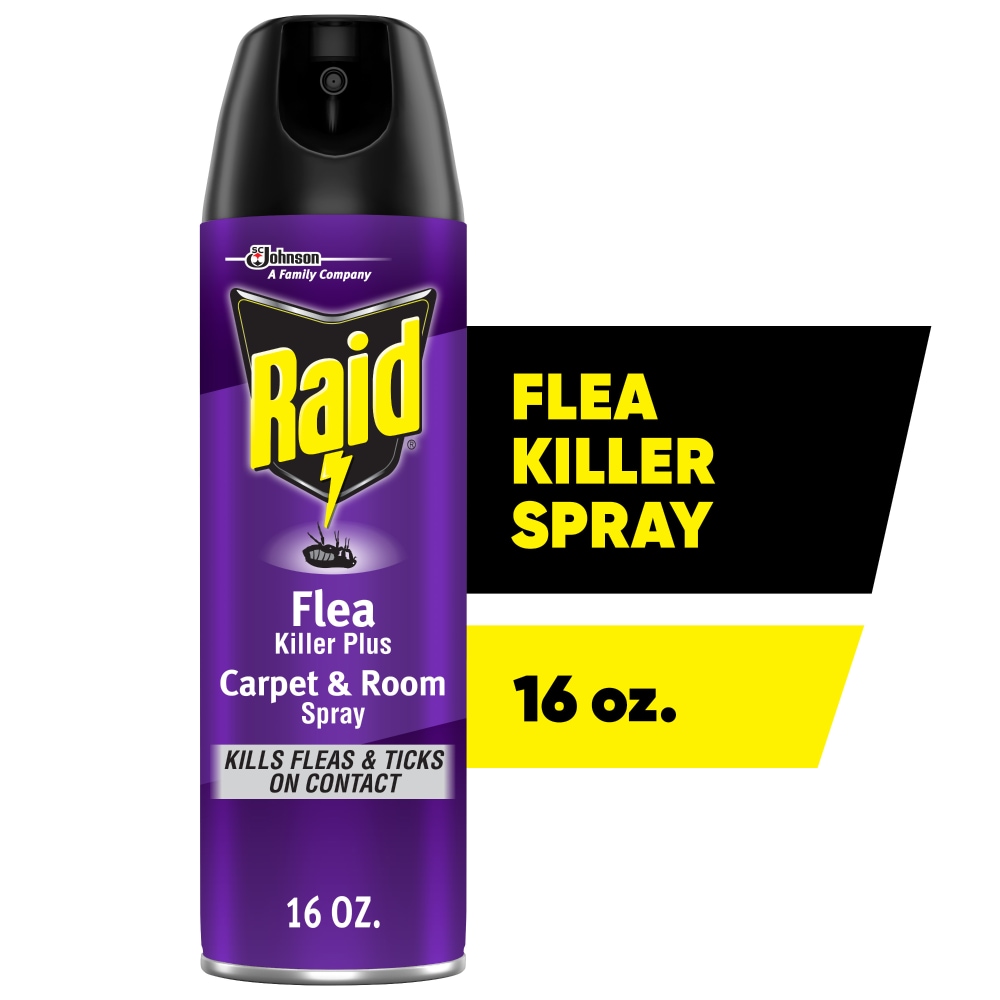
For your home, sprays and foggers kill fleas in carpets and furniture. Vacuuming regularly removes flea eggs and larvae. Some products contain insect growth regulators. These stop fleas from growing into adults.
Always follow the instructions carefully. Use products made for your pet type. Consult a vet before using any flea treatment on pets.
Natural Remedies And Alternatives
Natural flea control options appeal to many people. These use plant-based oils and gentle ingredients. Essential oils like lavender, eucalyptus, and citronella can repel fleas. Mix a few drops with water and spray lightly on pets or bedding.
Diatomaceous earth is a natural powder that kills fleas by drying them out. Sprinkle it around your home, but avoid inhaling the dust. Regular bathing and combing your pet with a flea comb remove fleas physically.
Natural methods may take longer to work. They are safer but less powerful than chemical treatments. Combining natural remedies with cleaning and vacuuming improves results.
Preventing Flea Infestations
Preventing flea infestations is key to keeping your home and pets comfortable. Fleas can cause itching, discomfort, and even health problems. Stopping fleas early reduces stress for you and your furry friends. Simple steps in pet care and home cleaning can make a big difference.
Pet Care Tips
Check your pets regularly for fleas. Use flea combs to spot fleas and eggs. Bathe pets with vet-recommended flea shampoos. Apply flea treatments as advised by your vet. Keep your pet’s bedding clean and wash it often. Avoid areas where fleas are common, like tall grass or wild animal spots. Healthy pets resist fleas better.
Home Environment Management
Vacuum carpets, rugs, and furniture regularly to remove flea eggs and larvae. Wash pet bedding in hot water weekly. Use flea sprays or powders on carpets and floors. Seal cracks and crevices where fleas hide. Keep your yard tidy by trimming grass and removing debris. Fleas thrive in warm, humid spots. Cooler, cleaner homes reduce flea problems.
Credit: www.ralphs.com

Credit: www.amazon.com
Frequently Asked Questions
Does Mosquito Repellent Kill Fleas Effectively?
Mosquito repellent is not designed to kill fleas. It may repel some insects, but fleas require specific treatments like flea sprays or powders for effective control.
Can Mosquito Repellent Prevent Flea Bites On Pets?
Mosquito repellent is generally unsafe for pets and not recommended for flea prevention. Use vet-approved flea control products to protect your pets safely.
Are Natural Mosquito Repellents Useful Against Fleas?
Natural mosquito repellents might deter some insects but are not reliable for fleas. Fleas need targeted flea control methods for effective prevention and removal.
How Does Flea Treatment Differ From Mosquito Repellent?
Flea treatments contain insecticides targeting flea biology. Mosquito repellents focus on mosquitoes and may not impact fleas, as fleas have different behaviors and physiology.
Conclusion
Mosquito repellent does not work well on fleas. Fleas need different treatments to be controlled. Using the right flea products is important. These products target fleas directly and keep them away. Always check product labels before use. Protect pets and homes with flea-specific solutions.
Keep your living space clean and vacuum often. This helps reduce flea eggs and larvae. Staying informed helps you fight fleas better. Choose safe and effective flea control methods.