Last Updated on July 29, 2026
If you have a dog, keeping them healthy is probably one of your top priorities. But did you know that Salmonella can be a hidden threat to your furry friend?
Understanding how Salmonella affects dogs and what signs to watch for could save your pet from serious illness. You’ll discover what Salmonella is, how your dog might catch it, and simple steps you can take to protect your loyal companion.
Keep reading to make sure your dog stays safe and happy every day.
Causes Of Salmonella In Dogs
Salmonella is a harmful bacteria that can make dogs very sick. It lives in many places and can enter your dog’s body in different ways. Understanding the causes helps you protect your dog from this infection.
Salmonella spreads through things your dog eats or touches. It can hide in food, water, or dirty places. Knowing these sources can help you keep your dog safe.
Common Sources Of Infection
Salmonella often comes from contact with infected animals or their waste. Dogs can get it by sniffing or licking places where other animals have been. It can also spread through contaminated soil or water.
Another source is poor hygiene. If your dog’s food or water bowls are not clean, bacteria can grow. People can also carry Salmonella on their hands and pass it to dogs.
High-risk Foods And Environments
Raw or undercooked meat and eggs are common ways dogs catch Salmonella. Some pet foods, especially raw diets, may carry the bacteria. Spoiled or old food can be dangerous too.
Puppies, older dogs, and dogs with weak immune systems are more at risk. Places like kennels, dog parks, and shelters have higher chances of spreading Salmonella. Crowded or dirty areas increase the risk of infection.

Credit: www.ambassadorpet.com
Symptoms To Watch For
Salmonella infection in dogs can show in many ways. Recognizing symptoms early helps protect your pet’s health. Watch closely for signs that may seem mild at first but can worsen quickly. Understanding these symptoms guides you in taking the right action fast.
Digestive Signs
Dogs with Salmonella often have stomach problems. Diarrhea is common and may contain blood or mucus. Vomiting happens frequently and can cause dehydration. Your dog might lose appetite or have stomach pain. These signs indicate an upset digestive system.
Behavioral Changes
Infected dogs may seem tired or weak. They might hide more or avoid playing. Some dogs become restless or whine often. Shivering or fever can also appear. These changes show your dog is not feeling well.
When To Seek Veterinary Care
Visit a vet if symptoms last more than one day. Immediate care is needed if your dog shows severe diarrhea or vomiting. Difficulty breathing or collapse requires emergency help. Early treatment can prevent serious health problems.
Preventing Salmonella Exposure
Salmonella can cause serious illness in dogs. Preventing exposure is key to keeping pets healthy. Simple steps can reduce the risk of infection in daily life.
Safe Feeding Practices
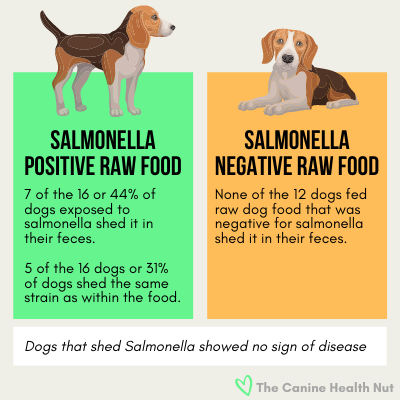
Feed your dog cooked food rather than raw meat. Raw meat can carry harmful bacteria like Salmonella. Use clean bowls and wash them after every meal. Avoid giving your dog food from unknown or unsafe sources. Store pet food properly to prevent contamination. Check expiration dates on all pet foods.
Maintaining Clean Living Spaces
Keep your dog’s living area clean and dry. Regularly clean bedding and toys with pet-safe disinfectants. Remove waste quickly to stop bacteria growth. Wash your hands after handling your dog or cleaning their space. A clean environment helps lower Salmonella risks.
Avoiding Contaminated Water And Soil
Give your dog fresh, clean water every day. Avoid water from lakes, ponds, or stagnant sources. These waters may carry harmful bacteria. Prevent your dog from digging or eating soil, especially in unknown areas. Soil can harbor Salmonella and other germs. Stay alert to where your dog plays and drinks.
Credit: thecaninehealthnut.com
Safe Handling Of Dog Food
Safe handling of dog food is very important to protect your pet from Salmonella. Salmonella can cause serious illness in dogs and even spread to humans. Taking simple steps can keep your dog’s food safe and healthy.
Proper care during food selection, storage, and preparation helps prevent contamination. Cleanliness and attention to detail reduce the risk of Salmonella infection.
Choosing Quality Ingredients
Start with fresh and high-quality ingredients for your dog’s meals. Avoid meat or produce that looks spoiled or smells bad. Choose trusted brands or local sources with good hygiene. Fresh ingredients lower the chance of harmful bacteria.
Proper Storage And Preparation
Store dog food in clean, sealed containers to keep out bacteria. Refrigerate or freeze raw ingredients quickly after purchase. Thaw frozen food safely in the fridge, not on the counter. Wash your hands before and after handling dog food.
Avoiding Cross-contamination
Use separate utensils and cutting boards for dog food and human food. Clean all surfaces and tools with hot, soapy water after use. Keep dog food away from areas where humans prepare meals. These steps stop bacteria from spreading between foods.
Treatment Options For Infected Dogs
Salmonella infection in dogs requires careful treatment to ensure full recovery. Treatment focuses on clearing the bacteria and supporting the dog’s health. Early care helps prevent serious complications. Owners should follow veterinary advice closely for the best results.
Veterinary Diagnosis And Tests
Veterinarians begin with a physical exam to check the dog’s health. They ask about symptoms and recent diet changes. Stool samples are often tested to find Salmonella bacteria. Blood tests may also help to see how the infection affects the dog. Accurate diagnosis guides the right treatment plan.
Medication And Supportive Care
Antibiotics are used to fight Salmonella in most cases. The vet chooses the best medicine based on test results. Some dogs need fluids to stay hydrated, especially if vomiting or diarrhea occur. Special diets may be recommended to ease digestion. Supportive care helps the dog regain strength and comfort.
Monitoring Recovery
Dogs with Salmonella need close monitoring during recovery. Watch for signs like ongoing diarrhea or weakness. Regular follow-up visits help track progress and adjust treatment. Clean living areas and good hygiene reduce the chance of reinfection. Patience and care are key to full recovery.
Protecting Your Family And Other Pets
Protecting your family and other pets from Salmonella is very important. Salmonella can spread easily from an infected dog to people and other animals. Taking the right steps at home can stop the bacteria from spreading. Small actions can make a big difference in keeping everyone safe.
Hygiene Practices
Wash your hands often with soap and water. Do this especially after touching your dog or cleaning its area. Clean all surfaces your dog uses, like bowls and floors. Use disinfectants that kill bacteria. Avoid letting your dog lick your face or open wounds. Keep your dog’s bedding clean and dry.
Managing Infected Dogs At Home
Keep your infected dog in a separate room if possible. Limit contact with family members and other pets. Give the dog its own food and water bowls. Clean these bowls daily with hot water and soap. Watch your dog’s health closely and follow the vet’s advice. Do not share towels or bedding with the sick dog.
Preventing Spread Within The Household
Keep pets’ areas clean and dry at all times. Avoid sharing toys and grooming tools between pets. Wash your hands before and after touching any pet. Dispose of dog waste properly and quickly. Inform all family members about the risks and safety steps. Regular cleaning helps stop Salmonella from spreading in your home.

Credit: www.greatpetcare.com
Frequently Asked Questions
What Causes Salmonella In Dogs?
Salmonella in dogs is caused by bacteria found in contaminated food, water, or environments. Raw meat and poor hygiene increase risk. Dogs can also catch it from infected animals or humans. Proper food handling and cleanliness help prevent infection.
What Are The Symptoms Of Salmonella In Dogs?
Symptoms include diarrhea, vomiting, fever, lethargy, and loss of appetite. Some dogs may have bloody stools or dehydration. Mild cases might show no signs but still spread bacteria. Immediate veterinary care is essential if symptoms appear.
Can Dogs Transmit Salmonella To Humans?
Yes, dogs infected with Salmonella can spread it to humans. Transmission occurs through contact with feces or contaminated surfaces. Washing hands after handling dogs or cleaning up is vital. Preventing infection in pets reduces human risk.
How Is Salmonella Diagnosed In Dogs?
Veterinarians diagnose Salmonella through stool tests and clinical signs. Lab cultures confirm the bacteria’s presence. Early diagnosis helps treat infection and avoid complications. Accurate testing ensures proper care and prevents spread.
Conclusion
Dogs can get sick from Salmonella, so watch their food closely. Keep their eating area clean to stop germs from spreading. Always wash your hands after handling raw meat or dog bowls. Signs of illness need quick care from a vet.
Staying aware helps keep your dog safe and healthy. Small steps make a big difference in preventing Salmonella. Your dog depends on you for protection and care. Stay alert and keep your furry friend happy.