Last Updated on September 2, 2026
Choosing the right food for your cat can feel overwhelming. With so many options on the shelf, how do you know what’s truly best for your furry friend?
The food you pick affects your cat’s health, energy, and happiness every single day. You want to make sure you’re giving your cat the nutrition they need without breaking the bank or causing digestive issues. You’ll discover simple, practical tips that make choosing cat food easy and stress-free.
Keep reading, and you’ll feel confident about making the best choice for your beloved pet.
Types Of Cat Food
Choosing the right type of cat food is important for your pet’s health. Cats need balanced nutrition to stay active and strong. Different types of cat food offer various benefits and drawbacks. Understanding these can help you pick the best option for your cat’s needs.
Dry Food Benefits And Drawbacks
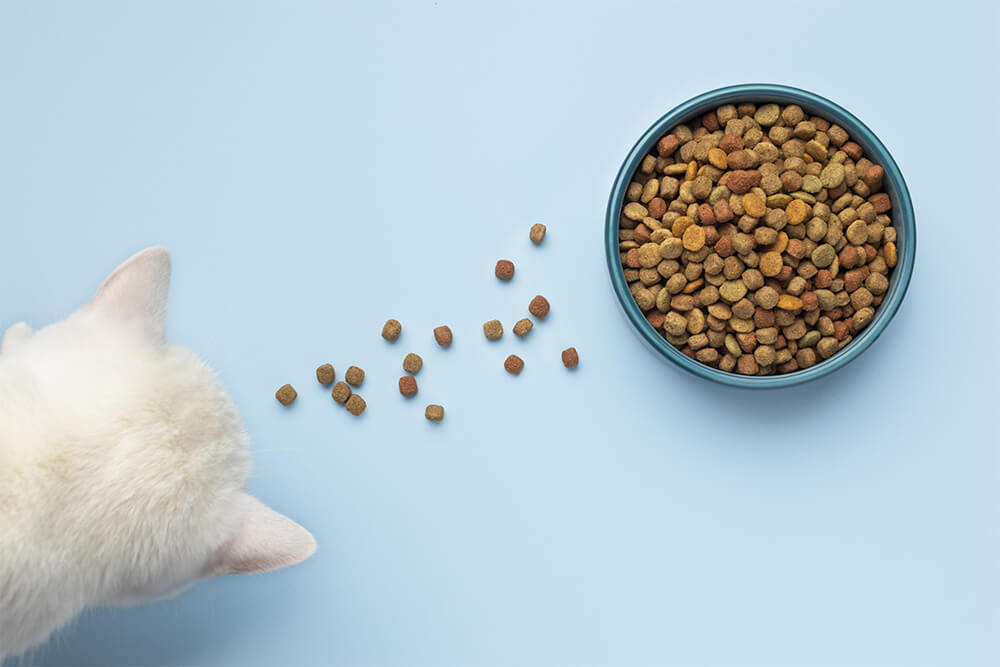
Dry cat food is easy to store and usually costs less. It helps keep your cat’s teeth clean by reducing plaque. Dry food has a long shelf life and can be left out for cats to nibble all day.
On the downside, dry food has less moisture. Cats may not drink enough water, leading to kidney problems. Some dry foods contain fillers and low-quality ingredients. Always check the label for meat as the main ingredient.
Wet Food Advantages
Wet cat food has high moisture content. This helps keep your cat hydrated, especially if they do not drink much water. Wet food usually smells and tastes better to cats. It is closer to their natural diet, which is high in protein and water.
Wet food can be more expensive and spoils quickly once opened. It requires refrigeration and should be served fresh. It also helps with weight control since portions are easier to measure.
Raw And Homemade Diets
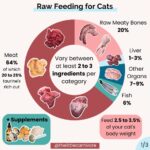
Raw and homemade diets allow you to control ingredients. Many cat owners prefer feeding fresh meat, organs, and bones. This diet mimics what cats eat in the wild. It may improve coat quality and energy levels.
These diets need careful planning to avoid nutrient gaps. Raw food can carry bacteria if not handled properly. Homemade meals require time and knowledge to balance vitamins and minerals. Consult a vet before switching to raw or homemade food.
Credit: petsloungeuae.com
Nutritional Needs Of Cats
Cats have unique dietary needs. Their bodies require specific nutrients to stay healthy and active. Understanding these needs helps you pick the right food for your pet.
Good nutrition supports strong muscles, a shiny coat, and a sharp mind. It also helps prevent diseases and boosts their immune system.
Essential Nutrients For Felines
Cats need protein as their main energy source. Meat, fish, and poultry provide high-quality protein. Taurine, an amino acid, is vital for heart and eye health. Cats cannot make enough taurine on their own.
Fats provide energy and help absorb vitamins. Omega-3 and omega-6 fatty acids keep skin healthy. Vitamins and minerals support many body functions. Vitamin A, vitamin D, calcium, and phosphorus are especially important.
Age-specific Dietary Requirements
Kittens need more calories and protein for growth. They benefit from food rich in DHA for brain development. Adult cats require balanced nutrients to maintain weight. Senior cats often need fewer calories but more fiber.
Older cats may also need supplements for joint health. Their food should support kidney and heart function. Adjusting diet by age keeps cats strong at every stage.
Special Needs For Health Conditions
Some cats have health issues that affect their diet. Cats with kidney problems need low-phosphorus food. Diabetic cats may require food with controlled carbohydrates. Cats with allergies often need limited ingredients.
Weight management diets help overweight cats lose pounds safely. Always consult a vet before changing food for health reasons. Tailored nutrition helps manage conditions and improves quality of life.
Reading Cat Food Labels
Reading cat food labels can help you choose the best diet for your pet. Labels show important information about ingredients and nutrition. Understanding these details ensures your cat gets the right nutrients. It also helps avoid harmful substances that could affect their health.
Key Ingredients To Look For
Check the first few ingredients carefully. Meat or fish should be at the top of the list. These provide essential protein for your cat’s health. Look for named sources like chicken, salmon, or turkey. Avoid vague terms like “meat by-products” or “animal digest.” Whole grains, vegetables, and fruits add fiber and vitamins.
Understanding Guaranteed Analysis
The guaranteed analysis shows nutrient percentages. Look for protein, fat, fiber, and moisture values. Protein should be high for a healthy cat diet. Fat offers energy and supports skin and coat health. Fiber helps with digestion. Moisture content is important, especially in wet food.
Recognizing Harmful Additives
Avoid foods with artificial colors or flavors. These additives do not benefit your cat. Some preservatives like BHA, BHT, and ethoxyquin can be harmful. Look for natural preservatives like vitamin E or vitamin C. Avoid foods with too many fillers like corn, wheat, or soy. These offer little nutrition and can cause allergies.
Credit: natureslogic.com
Choosing Food Based On Cat’s Lifestyle
Choosing the right food for your cat depends a lot on their daily habits and lifestyle. Cats have different needs based on where they live and how active they are. Feeding them properly helps keep them healthy and happy.
Understanding your cat’s lifestyle helps you pick the best food. It supports their energy levels and overall well-being. This section guides you through important factors to consider.
Indoor Vs. Outdoor Cats
Indoor cats usually move less. They need fewer calories to avoid gaining weight. Their food should have balanced nutrients and moderate fat. It also helps to choose food with fiber to support digestion.
Outdoor cats are more active and burn more energy. They need food with higher calories and protein. This supports their muscle strength and energy needs. Outdoor cats also face more risks, so food with added vitamins and minerals is helpful.
Active Vs. Sedentary Cats
Active cats need food rich in protein and fat. It fuels their playful and energetic lifestyle. Look for formulas designed for high energy. These foods support muscle repair and stamina.
Sedentary cats need lower-calorie food to prevent weight gain. Their diet should focus on quality protein but less fat. This helps maintain a healthy weight and body condition.
Weight Management Strategies
Weight management is crucial for all cats, especially indoor and less active ones. Choose foods with controlled calories and balanced nutrients. Portion control also plays a big role. Feeding measured amounts avoids overeating.
Special weight management cat foods contain ingredients that help cats feel full. They support healthy metabolism and fat loss. Regular exercise combined with proper diet improves weight control.
Transitioning To New Cat Food
Changing your cat’s food needs care and attention. Sudden changes can upset your cat’s stomach. A smooth transition helps your cat adjust well. This section explains how to switch cat food safely.
Gradual Switching Techniques
Start by mixing a small amount of new food with old food. Over seven to ten days, slowly increase the new food portion. Watch your cat eat and make sure they like the mix. This slow change helps avoid stomach problems.
Monitoring Your Cat’s Reaction
Look for changes in your cat’s behavior and health. Check for vomiting, diarrhea, or less appetite. Also, see if your cat seems more tired or restless. Note any changes in litter box habits. These signs show how your cat is handling new food.
When To Consult A Veterinarian
If your cat has a bad reaction for more than two days, call a vet. Seek help if your cat stops eating or drinking. A vet can check for allergies or other health issues. Early advice prevents bigger problems and keeps your cat healthy.

Credit: www.petsmart.com
Budget-friendly Cat Food Options
Choosing cat food that fits your budget does not mean sacrificing your cat’s health. Many options offer good nutrition without high costs. It helps to know how to spot quality in affordable products. This way, your cat stays healthy and you stay within budget.
Balancing Quality And Cost
Focus on ingredients that provide real nutrition. Protein should be one of the first items listed. Avoid foods with too many fillers like corn or wheat. These add little value and may fill your cat up without nutrients. Look for natural sources of vitamins and minerals. Quality does not always mean expensive. Some affordable foods meet these standards.
Affordable Brands That Deliver Nutrition
Several brands offer balanced diets at lower prices. They use good protein sources and avoid artificial additives. These brands often have positive reviews from pet owners. Check the label for essential nutrients like taurine, which cats need. Choose products that suit your cat’s age and health. This ensures your cat gets the right nutrients without extra cost.
Making Smart Purchases
Buy larger bags to save money per serving. Store food properly to keep it fresh longer. Compare prices at different stores or online shops. Watch for sales or discounts to get better deals. Avoid buying the cheapest food without checking ingredients. A little research saves money and keeps your cat healthy.
Frequently Asked Questions
What Factors Should I Consider When Choosing Cat Food?
Consider your cat’s age, health, activity level, and preferences. Look for balanced nutrition with protein, fats, and essential vitamins. Check ingredient quality and avoid fillers like corn or soy. Consult your vet for specific dietary needs or allergies.
How Do I Read Cat Food Labels Correctly?
Look for real meat as the first ingredient. Check guaranteed analysis for protein, fat, fiber, and moisture. Avoid artificial preservatives and fillers. Ensure the food meets AAFCO nutritional standards for complete and balanced nutrition.
Is Wet Or Dry Cat Food Better For My Cat?
Wet food provides more moisture, aiding hydration and urinary health. Dry food is convenient and supports dental care. A mix of both often offers balanced nutrition and variety, but consider your cat’s preferences and health needs.
How Often Should I Change My Cat’s Food Brand?
Gradually transition over 7-10 days to avoid digestive upset. Frequent changes aren’t necessary unless your cat has allergies or health issues. Consult your vet before switching to ensure the new food meets nutritional requirements.
Conclusion
Choosing the right cat food takes time and care. Think about your cat’s age, health, and taste. Read labels and pick foods with good ingredients. Avoid items with too many fillers or artificial stuff. Watch how your cat reacts to new food.
Healthy cats are happy cats. Feeding well helps them stay active and strong. Keep learning and ask your vet if unsure. Small steps make a big difference for your furry friend.