
Last Updated on September 23, 2026
Managing the Increase of Waste: Practical Strategies for a Cleaner Future
Waste is a problem that keeps growing as the world population rises and cities expand. From plastic bottles to leftover food, the amount of garbage we create every day is higher than ever. If not managed well, this waste can harm the environment, spread disease, and even impact the economy.
But with smart planning and daily habits, it is possible to reduce and manage the increase of waste in our lives and communities.
This article will guide you through clear, practical steps to handle waste more effectively, whether you’re an individual, a business owner, or a city leader. You’ll find out what really works, learn from real examples, and discover insights that most beginners miss.
Let’s explore the best ways to keep our planet clean and healthy for everyone.
Understanding The Reasons Behind Waste Increase
Before solving the problem, it’s important to know why waste is rising. The main reasons include:
- Population growth: More people means more consumption and more waste.
- Urbanization: Cities produce more waste than rural areas due to higher living standards and packaging.
- Changing lifestyles: Fast food, online shopping, and convenience products create extra packaging and single-use items.
- Economic growth: As people earn more, they buy more and throw away more.
For example, the World Bank reported that global waste could grow from 2.01 billion tons per year in 2016 to 3.40 billion tons by 2050 if nothing changes. Understanding these causes helps us target the real issues.
Reduce: The First And Most Effective Step
The best way to manage waste is to stop creating it in the first place. Here’s how:
- Buy only what you need: Avoid impulse purchases, especially for items with lots of packaging.
- Choose reusable products: Switch from single-use plastics to items like cloth bags, metal water bottles, and glass containers.
- Say no to unnecessary packaging: Pick products with minimal or eco-friendly packaging.
- Think before you print: Use digital options instead of paper when possible.
Many people overlook the power of small changes. For example, if every person in the US used one less plastic bag a week, it would save over 3 billion bags each year.
Reuse: Giving Items A Second Life
Not everything needs to be thrown away after one use. Reusing items helps keep waste out of landfills and saves money:
- Refill and repurpose: Use old jars for storage, or turn worn clothes into cleaning rags.
- Donate before dumping: Give away items like furniture, clothes, and electronics if they still work.
- Buy secondhand: Thrift stores and online marketplaces are great for finding quality used goods.
A common mistake is thinking only recycling matters. In fact, reuse is often more effective because it avoids the energy and resources needed to process materials.
Recycle: Turning Waste Into New Resources
Recycling is important, but it only works if done correctly. Here’s what to remember:
- Clean and sort: Rinse containers and separate materials like paper, glass, and plastic.
- Follow local rules: Every area has different recycling systems. Check what your city accepts.
- Don’t “wishcycle”: Placing non-recyclables in the recycling bin can cause problems at sorting centers.
Let’s compare common recyclable materials:
| Material | Recyclability | Common Mistakes |
|---|---|---|
| Plastic bottles | High | Leaving caps on, not rinsing |
| Glass jars | High | Mixing broken glass with other recyclables |
| Pizza boxes | Low (if greasy) | Not separating clean from greasy parts |
| Electronics | Special facilities only | Placing in regular bins |
Recycling rates are often below 35% in many countries. Learning the right way can make a big difference.
Composting: Managing Organic Waste At Home And Beyond
Food scraps and yard waste make up a large part of household garbage. Composting turns these materials into useful soil for gardens and parks. Here’s how to get started:
- Collect food scraps: Save fruit peels, coffee grounds, and vegetable trimmings.
- Mix with dry material: Add leaves or shredded paper for balance.
- Aerate regularly: Stir the pile to help it break down faster.
A family can reduce their trash by up to 30% through composting alone. Many cities now offer curbside compost bins, making it easier than ever.
Managing E-waste: A Modern Challenge
Old phones, computers, and batteries are called e-waste. These items often contain harmful chemicals and metals. Proper disposal is critical:
- Never throw e-waste in the trash: Look for special collection points or “take back” events.
- Erase data before recycling: Protect your privacy by deleting personal information.
- Choose repair over replacement: Fixing electronics extends their life and reduces waste.
Many people forget that e-waste is the fastest-growing type of waste worldwide. In 2019, over 53 million tons of e-waste were generated, but only 17% was recycled responsibly.
Smart Waste Management At Community Level
Communities play a big role in handling waste. Some of the most effective programs include:
- Curbside collection: Separate bins for recyclables, compost, and trash make sorting easier.
- Pay-as-you-throw: Residents pay for the amount of non-recyclable waste they produce, encouraging less waste.
- Education campaigns: Teaching people how to sort and reduce waste increases participation.
Here’s a look at two different city waste collection systems:
| City | Collection Method | Recycling Rate |
|---|---|---|
| San Francisco | Three-bin system (trash, recycling, compost) | Over 75% |
| New York | Mixed recycling with optional composting | Approx. 20% |
The difference shows how local action shapes success.
Technology And Innovation In Waste Management
Technology is changing how we handle waste. Some of the latest trends include:
- Smart bins: These bins use sensors to tell when they’re full, making collection routes more efficient.
- Waste-to-energy plants: These facilities turn non-recyclable trash into electricity or heat.
- Apps for waste sorting: Mobile apps help users know what can and can’t be recycled.
One example is Sweden’s waste-to-energy system, which processes so much garbage that the country imports waste from others to keep its plants running.

Credit: www.worldbank.org
Role Of Governments And Policy
Laws and rules shape how waste is managed. Key government actions include:
- Bans on single-use plastics: Many countries have stopped the use of plastic bags and straws to cut down on litter.
- Extended producer responsibility (EPR): Companies must take back or recycle their products at end of life.
- Landfill taxes: Making it more expensive to dump waste encourages recycling and composting.
For more about global waste policy, see the Waste Management Wikipedia page.
Involving Businesses: From Producers To Retailers
Companies can reduce waste by:
- Redesigning packaging: Using less material, or making it easier to recycle.
- Offering take-back programs: Collecting used products for recycling or safe disposal.
- Supporting zero-waste stores: Selling products in bulk without packaging.
Many businesses now see waste reduction as a way to attract customers and save money. For example, large retailers like IKEA and Unilever are moving toward 100% recyclable or reusable packaging.
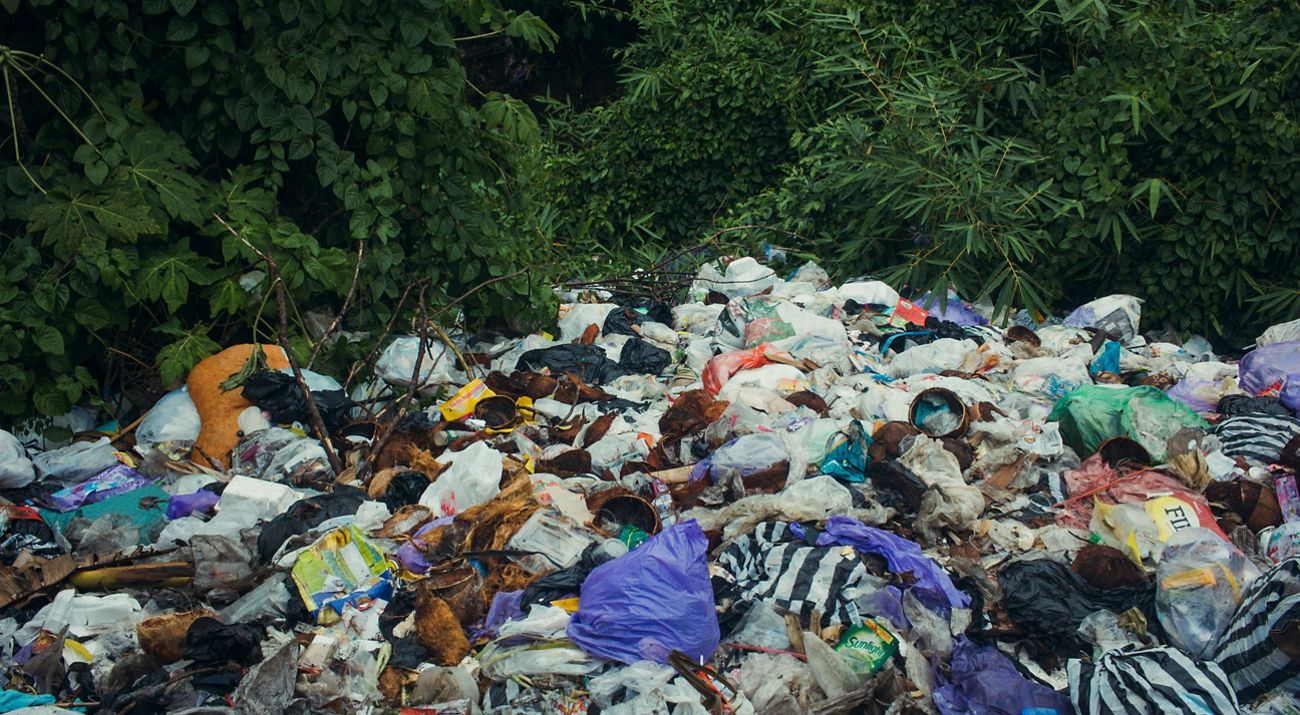
Credit: www.nature.org
Reducing Waste At Events And Public Spaces
Large events and public places generate a lot of trash. Smart strategies include:
- Reusable dishes and cups: Renting or washing items instead of using disposables.
- On-site compost and recycling bins: Placing clear signs and staff to guide sorting.
- Encouraging digital tickets: Reducing paper waste.
A non-obvious tip: Plan ahead for leftover food by partnering with local charities to donate surplus instead of throwing it away.
Waste Management In Developing Countries
Not all countries have the same resources. In many developing areas, informal waste pickers collect recyclables to sell, and there may be less government support. Solutions that work well include:
- Community-led sorting: Local groups organize waste collection and recycling.
- Low-cost composting: Simple pits or boxes turn food waste into fertilizer.
- Education: Teaching children about waste from a young age builds better habits.
Challenges are bigger, but so are the rewards when communities come together.
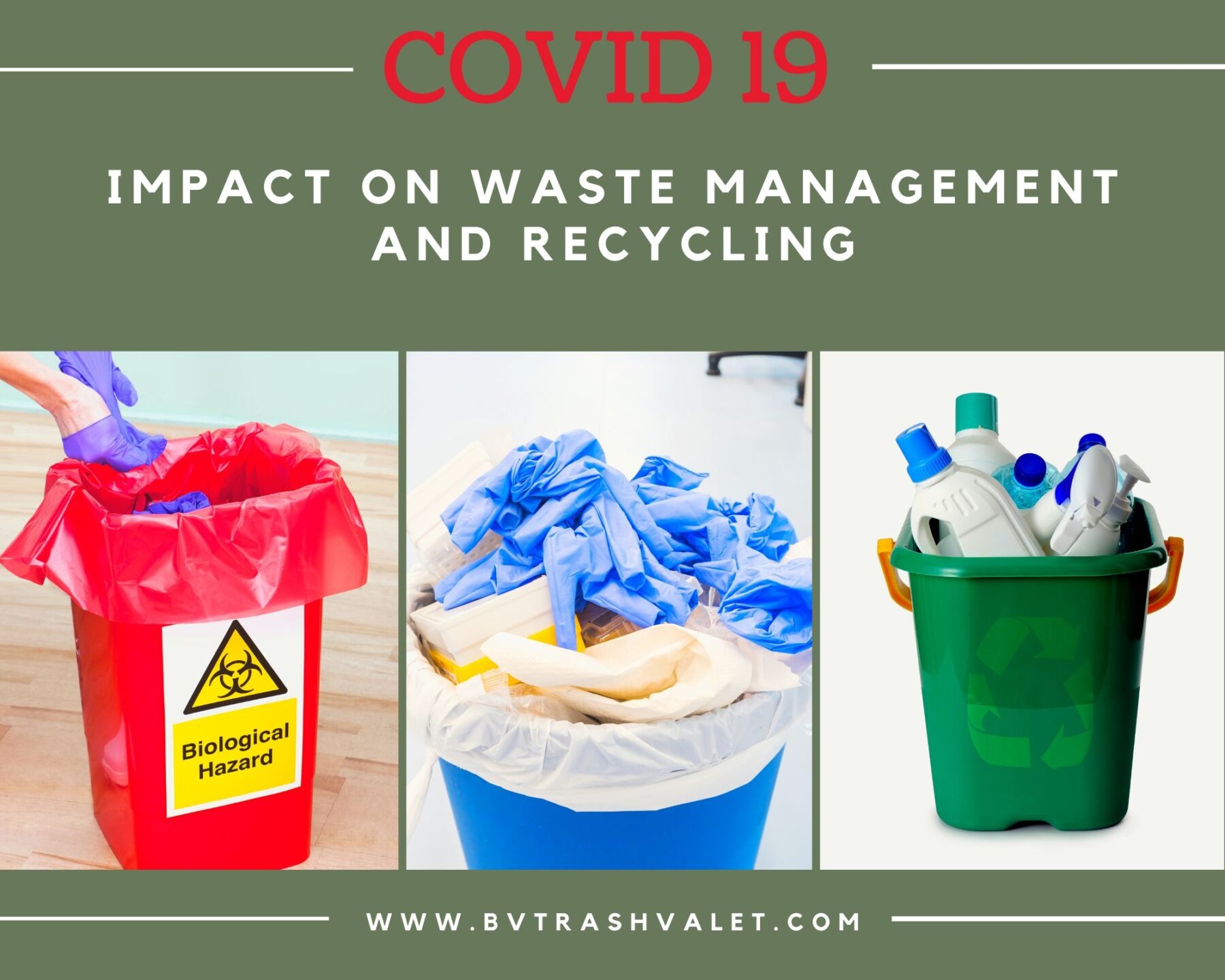
Credit: www.bvtrashvalet.com
Measuring Success: How Do You Know It’s Working?
Managing waste isn’t just about feeling good—it’s about real results. Here are some useful ways to measure progress:
| Indicator | What It Shows | Why It Matters |
|---|---|---|
| Waste diversion rate | % of waste kept out of landfill | Shows recycling/composting success |
| Per capita waste generation | How much waste each person creates | Tracks if reduction efforts work |
| Illegal dumping incidents | Reported cases per year | Shows need for better management or enforcement |
Regular tracking helps adjust strategies and celebrate real improvements.
Hidden Challenges And How To Overcome Them
Most people focus on recycling, but two non-obvious problems often get missed:
- Contamination: Dirty or mixed recyclables can ruin whole batches, sending them to the landfill. Always clean and sort carefully.
- Wishful recycling: Placing items in the recycling bin “just in case” actually harms the system. Learn local rules and stick to them.
Another insight: Not all “biodegradable” or “compostable” products break down outside of special facilities. Check if your area can process these before buying.
Everyday Actions For Individuals
Everyone can help manage the increase in waste with simple daily steps:
- Carry a reusable bag and bottle everywhere.
- Plan meals to reduce food waste.
- Repair before replacing clothes and electronics.
- Teach children about sorting and reducing waste.
- Join or start a local cleanup in your neighborhood.
It’s easy to think one person doesn’t matter, but individual habits add up to big change.
Frequently Asked Questions
What Happens If We Don’t Manage Waste Properly?
Poor waste management leads to pollution, spreading disease, harming wildlife, and using up valuable land for landfills. It also wastes resources that could be reused or recycled.
Can Burning Waste Help Solve The Problem?
Burning waste in modern waste-to-energy plants can reduce landfill use and create energy, but it must be done carefully to control pollution. Open burning is dangerous and should be avoided.
Is Composting Possible In Small Apartments?
Yes, you can compost indoors with a small bin or use methods like worm composting. There are also community drop-off points in many cities.
How Can Businesses Reduce Packaging Waste?
Businesses can switch to recyclable or compostable materials, offer bulk products, and design packaging that uses less material. Some also take back packaging for reuse.
What Is “wishcycling” And Why Is It A Problem?
Wishcycling is putting non-recyclable items in the recycling bin, hoping they’ll be recycled. This can spoil real recyclables and increase costs for recycling centers.
Managing the increase of waste is a challenge that affects everyone, but it is also an opportunity. By understanding the problem, making small daily changes, and supporting smart policies, we can build a cleaner, healthier future for our communities and the planet.