Last Updated on October 15, 2026
If your dog suddenly develops red, itchy bumps, you might be dealing with hives. Seeing your furry friend uncomfortable can be upsetting, and you probably want to help right away.
But before rushing to the vet or reaching for medications, there are simple, natural ways you can ease your dog’s discomfort at home. You’ll discover easy and safe treatments that can calm your dog’s skin quickly. Keep reading to learn how to soothe your dog’s hives naturally and bring back their happy, healthy self.
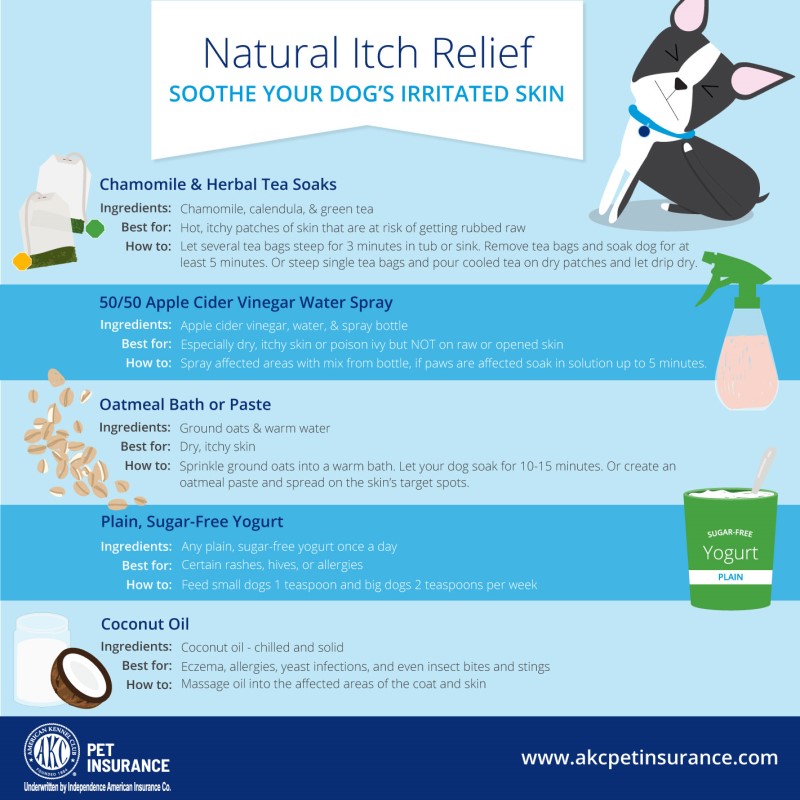
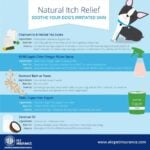
Credit: www.akcpetinsurance.com
Signs Of Hives In Dogs
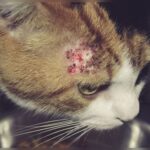
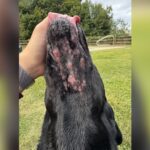
Hives in dogs can be uncomfortable and worrying. These red, raised bumps appear suddenly on the skin. They may come in different sizes and shapes. Recognizing the signs early helps you act quickly. Knowing what to look for can ease your dog’s discomfort.
Common Symptoms
Hives often show as swollen, red patches on your dog’s skin. These spots can be itchy or painful. Your dog might scratch or lick the area more than usual. Sometimes, hives cause your dog’s skin to feel warm. You might notice swelling around the face, ears, or paws. Hives can appear alone or in groups. They usually appear within minutes or hours after exposure to an allergen.
When To See A Vet
Seek vet help if hives last more than 24 hours. Also, visit the vet if your dog has trouble breathing. Swelling of the face, eyes, or mouth needs immediate care. If your dog becomes very weak or shows unusual behavior, get help fast. A vet can provide medicine to ease symptoms and prevent more serious problems. Early treatment can stop hives from getting worse.
Causes Of Dog Hives
Dog hives appear as red, itchy bumps on your pet’s skin. These bumps often mean an allergic reaction or irritation. Understanding the causes helps in treating hives naturally at home. Several factors can trigger these uncomfortable skin reactions in dogs.
Allergies And Irritants
Dogs can develop hives from allergies to food or substances they touch. Common allergens include certain foods, cleaning products, and soaps. These irritants cause the immune system to react, leading to raised bumps. Avoiding known allergens is key to preventing hives.
Insect Bites And Stings
Bug bites or stings from mosquitoes, fleas, or bees often cause hives in dogs. These bites inject substances that trigger an allergic response. The skin swells and forms itchy lumps. Protecting your dog from insects reduces this risk.
Environmental Factors
Changes in weather or exposure to plants can cause hives. Heat, cold, and pollen often irritate sensitive dog skin. Contact with certain grasses or weeds may also trigger hives. Keeping your dog away from these irritants helps keep skin calm.
Home Remedies For Dog Hives
Dog hives can cause itching and discomfort. Natural remedies can soothe your pet safely at home. These treatments help reduce redness and swelling without harsh chemicals. Always observe your dog closely during treatment. Stop and consult a vet if symptoms worsen or persist.
Oatmeal Baths
Oatmeal soothes irritated skin and relieves itching. Use plain, ground oatmeal and mix it in warm water. Let your dog soak for 10 to 15 minutes. Pat dry gently after the bath to avoid more irritation.
Aloe Vera Application
Aloe vera gel cools inflamed skin and reduces redness. Use pure, natural aloe vera without additives. Apply a thin layer on the affected area. Avoid your dog licking the gel by distracting it or using a cone.
Coconut Oil Treatment
Coconut oil moisturizes dry skin and fights bacteria. Apply a small amount to the hive spots. Massage gently to help absorption. It also supports healing and reduces itchiness.
Chamomile And Green Tea Compresses
Brew chamomile or green tea and let it cool. Soak a clean cloth in the tea and apply it to the hives. Hold the compress for a few minutes. These teas calm skin and lower inflammation effectively.
:strip_icc()/home-remedies-for-itchy-dogs-4177184-f9ae9d40e6cc42878d9f290d136461f8.jpg)
Credit: www.thesprucepets.com
Dietary Adjustments
Diet plays a key role in managing dog hives naturally at home. Adjusting your dog’s diet can reduce allergic reactions and calm skin irritation. Careful changes in food help support your pet’s immune system and skin health. Focus on what you remove and what you add to your dog’s meals for the best results.
Eliminating Allergens
Start by removing common food allergens from your dog’s diet. Ingredients like wheat, soy, corn, and dairy often cause skin problems. Try feeding a simple diet with limited ingredients to spot the cause. Fresh, single-protein meals like turkey or fish work well. Avoid treats and snacks that may contain hidden allergens. Keep a food diary to track your dog’s reactions.
Adding Anti-inflammatory Foods
Introduce foods that fight inflammation and soothe the skin. Omega-3 fatty acids found in fish oil or flaxseed oil reduce swelling and itching. Small amounts of pumpkin or sweet potato provide vitamins and fiber. Plain cooked carrots and green beans add nutrients without causing allergies. Always introduce new foods slowly and watch for any changes in your dog’s skin or behavior.
Preventing Future Hives
Preventing future hives in your dog helps keep them comfortable and healthy. Simple actions can reduce the chances of hives coming back. Focus on daily care and avoiding things that cause allergic reactions.
Regular Grooming
Brush your dog’s coat often to remove dirt and allergens. Bathing with gentle, hypoallergenic shampoo helps keep skin clean and calm. Check for parasites like fleas that can trigger hives. Grooming also lets you spot skin problems early.
Avoiding Known Triggers
Identify what causes your dog’s hives. Common triggers include certain foods, plants, or chemicals. Keep your dog away from these to prevent allergic reactions. Record any new foods or environments to find patterns. Change diet slowly to spot food allergies.
Maintaining A Clean Environment
Keep your dog’s living area clean and dry. Regularly wash bedding and toys to remove dust and germs. Vacuum floors and furniture to reduce allergens. Avoid harsh cleaning chemicals that may irritate your dog’s skin.
When Home Care Isn’t Enough
Sometimes, home care is not enough for a dog with hives. The condition might get worse or cause serious health problems. Knowing when to seek professional help can save your dog’s life. Watch your pet closely and act quickly if needed.
Recognizing Severe Reactions
Severe allergic reactions need urgent attention. Signs include difficulty breathing, swelling of the face or throat, and intense itching. Your dog might also vomit or collapse. These symptoms show a dangerous reaction called anaphylaxis. Immediate care is critical to prevent fatal outcomes.
Veterinary Treatments
Veterinarians use medicines to reduce swelling and itching fast. They may give antihistamines, steroids, or epinephrine injections. Sometimes, your dog may need fluids or oxygen support. The vet will also check for infections or other causes. Follow the vet’s instructions carefully for a quick recovery.
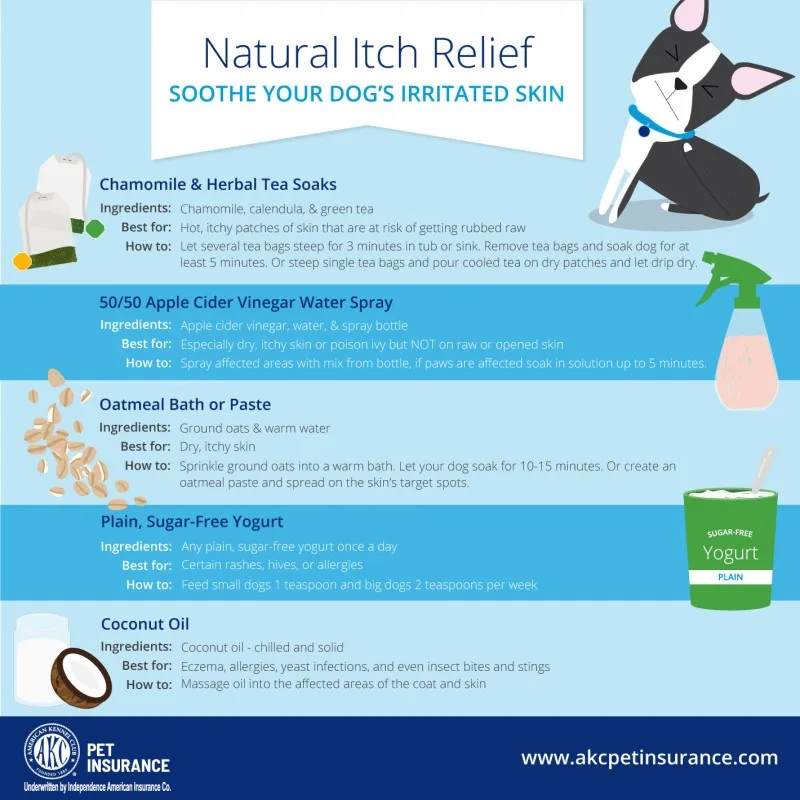
Credit: www.akcpetinsurance.com
Frequently Asked Questions
What Are Common Natural Remedies For Dog Hives?
Common natural remedies include oatmeal baths, aloe vera gel, and chamomile tea compresses. These soothe itching and reduce inflammation safely at home.
How Can Diet Affect Dog Hives?
Food allergies often trigger dog hives. A hypoallergenic or limited-ingredient diet can help identify and eliminate allergens causing reactions.
When Should I See A Vet For Dog Hives?
Visit a vet if hives persist beyond 24-48 hours, worsen, or if your dog shows difficulty breathing or swelling. Immediate care is crucial.
Can Apple Cider Vinegar Help Treat Dog Hives?
Apple cider vinegar can relieve mild itching due to its antibacterial properties. Dilute before applying to avoid skin irritation.
Conclusion
Treating dog hives naturally can help your pet feel better fast. Simple home remedies like oatmeal baths and cool compresses ease itching and swelling. Always watch your dog closely for changes or worsening symptoms. Clean your dog’s environment to prevent new hives.
Remember, some hives need a vet’s care, so don’t delay getting help if your dog’s condition gets worse. Natural treatments work best with care and attention. Keep your dog comfortable and safe while healing at home.