Last Updated on July 10, 2026
If your dog is scratching nonstop, sneezing, or showing signs of discomfort, you’re probably wondering what to give a dog for allergies. It’s painful to watch your furry friend suffer, and you want to help them feel better fast.
But with so many options out there, how do you know what’s safe and effective? You’ll discover simple, proven ways to ease your dog’s allergies and bring back their happy, playful self. Keep reading—you and your dog deserve relief.
Credit: www.usedvetequipment.com
Common Dog Allergies
Dogs can suffer from allergies just like people. These allergies cause itching, redness, and discomfort. Knowing the common types helps you choose the right treatment. Dogs often react to certain foods, things in their environment, or items they touch. Understanding these common dog allergies makes caring for your pet easier.
Food Allergies
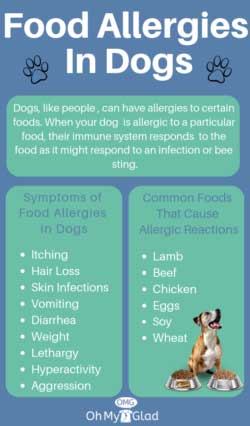
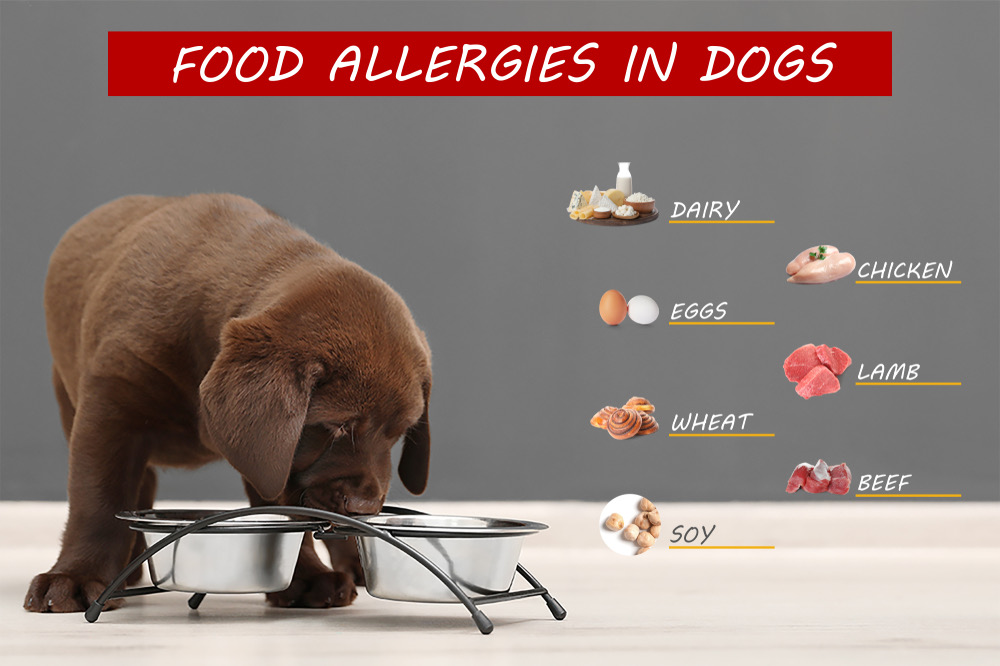
Food allergies happen when a dog’s immune system reacts to a specific ingredient. Common triggers include beef, chicken, dairy, and wheat. Symptoms include itching, vomiting, and diarrhea. Changing your dog’s diet to a hypoallergenic food can help. A vet may recommend special food trials to find the cause.
Environmental Allergies
Environmental allergies come from pollen, dust mites, mold, or grass. These cause sneezing, coughing, and itchy skin. Dogs may lick or bite their paws often. Bathing your dog regularly can reduce allergens on the skin. Keeping your home clean also lowers exposure to these triggers.
Contact Allergies
Contact allergies occur from direct touch with irritants. Common sources include certain shampoos, cleaning products, or fabrics. Dogs develop red, itchy spots on the skin where contact happens. Avoiding the irritant and using gentle products helps soothe the skin. Your vet can suggest safe alternatives for your dog.
Signs Your Dog Has Allergies
Dogs cannot tell us when they feel itchy or sick. Recognizing allergy signs early helps your dog get the right care fast. Watch for changes in skin, digestion, and behavior. These signs often point to allergies.
Skin Irritations
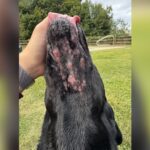
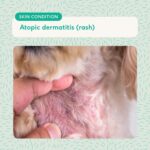
Look for redness, swelling, or bumps on your dog’s skin. Scratching or licking more than usual can mean itchiness. Hair loss or scabs may also appear. These are common signs of allergic reactions.
Digestive Issues
Vomiting or diarrhea can signal food allergies or sensitivities. Some dogs may have gas or stomach pain. Loss of appetite or weight changes also suggest digestive troubles. These symptoms need attention to avoid serious problems.
Behavioral Changes
Your dog may seem restless or irritable. Excessive scratching or shaking the head shows discomfort. Some dogs become quieter or hide more. Changes in behavior often reflect how allergies affect their daily life.
Over-the-counter Remedies
Over-the-counter remedies can help ease your dog’s allergy symptoms. These treatments are easy to find and often work quickly. You can use them at home to reduce itching, redness, and discomfort. Always follow the instructions on the package. Consult your vet before starting any new medicine for your dog.
Antihistamines
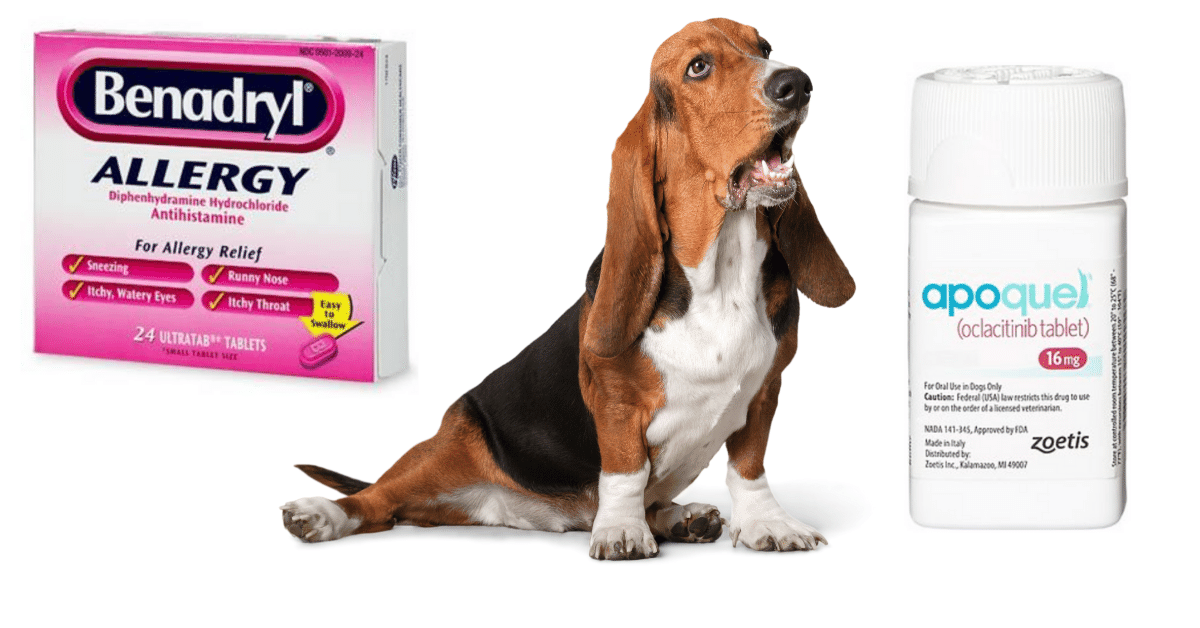
Antihistamines block chemicals that cause allergy symptoms. Common types include diphenhydramine and cetirizine. These medicines help reduce itching and swelling. Dosage depends on your dog’s size and weight. Avoid giving human antihistamines without vet advice. Watch for side effects like drowsiness or dry mouth.
Topical Creams And Sprays
Topical creams and sprays soothe irritated skin. They reduce redness and calm itching quickly. Look for products with hydrocortisone or aloe vera. Apply only to affected areas as directed. Avoid letting your dog lick treated spots. These remedies are great for mild skin allergies.
Supplements For Allergies
Supplements can support your dog’s immune system. Omega-3 fatty acids help reduce inflammation. Probiotics improve gut health, which may ease allergies. Always choose high-quality supplements made for dogs. Talk to your vet about the right option. Supplements work best combined with other treatments.
Prescription Treatments
Prescription treatments help control and reduce allergy symptoms in dogs. They target inflammation, itching, and infections. A vet usually prescribes these medicines after a proper diagnosis. These treatments provide relief and improve your dog’s quality of life.
Steroids And Anti-inflammatory Drugs
Steroids reduce swelling and itching caused by allergies. They work fast to calm your dog’s skin and make them comfortable. Anti-inflammatory drugs also lower redness and irritation. These medicines must be used carefully and under vet supervision. Long-term use can cause side effects. Your vet will find the right dose and duration for your dog.
Immunotherapy Options
Immunotherapy helps your dog’s immune system fight allergens. It uses small amounts of allergens to build tolerance slowly. Shots or oral drops are common methods. This treatment can take months but offers long-term relief. It is especially helpful for dogs with pollen or dust allergies. Regular vet visits are needed to track progress and adjust treatment.
Antibiotics For Secondary Infections
Allergies often cause skin wounds that get infected. Antibiotics treat these bacterial infections. They stop infections from spreading and hurting your dog more. Vets select antibiotics based on the infection type. Complete the full course to prevent resistant bacteria. This treatment supports healing and comfort for your dog.
Natural And Home Remedies
Natural and home remedies offer gentle care for dogs with allergies. These options help soothe itching and reduce discomfort. They work well alongside vet advice and medicines. Simple ingredients and easy methods bring relief without harsh chemicals. Here are some effective natural remedies you can try.
Oatmeal Baths
Oatmeal baths calm irritated skin and ease itching fast. Ground oatmeal mixes with warm water to create a soothing paste. Gently rub this paste on your dog’s skin or add it to their bath. Leave it on for 10 to 15 minutes before rinsing. The natural properties of oatmeal reduce inflammation and restore moisture.
Coconut Oil Applications
Coconut oil helps heal dry, itchy skin naturally. Apply a small amount directly to the affected areas. Its anti-inflammatory and antibacterial effects protect your dog’s skin. You can also add coconut oil to your dog’s food to support skin health from inside. Use it regularly for best results.
Herbal Supplements
Herbal supplements like chamomile and calendula promote skin healing and reduce allergies. These herbs have calming and anti-inflammatory benefits. You can give them as teas, tinctures, or capsules made for dogs. Always consult your vet before starting herbal treatments to ensure safety and proper dosage.
Credit: columbiacity.vet
Diet Adjustments For Allergic Dogs
Diet plays a key role in managing dog allergies. Changing what your dog eats can reduce allergic reactions. Many dogs suffer from food allergies or sensitivities that cause itching, redness, and digestive issues. Adjusting their diet helps soothe these problems and improves their overall health.
Some foods trigger allergies more than others. Identifying safe foods and removing allergens can bring relief. Feeding the right diet supports your dog’s immune system and skin health. Here are some diet options that help dogs with allergies.
Hypoallergenic Diets
Hypoallergenic diets use proteins and ingredients less likely to cause allergies. These foods often contain novel proteins like duck, venison, or fish. They avoid common allergens such as beef, chicken, or dairy. Hypoallergenic diets come in both dry and wet forms.
These diets reduce your dog’s exposure to allergens. They help calm itching and skin problems. Many vets recommend hypoallergenic food for dogs with food allergies.
Elimination Diet Testing
Elimination diet testing finds specific food allergies. You feed your dog a simple diet with one protein and one carbohydrate. After several weeks, add other foods one at a time. Watch for allergic reactions like itching or upset stomach.
This process helps identify the exact food causing the allergy. It requires patience and careful monitoring. Once identified, you can avoid that food in your dog’s diet.
Omega-3 Fatty Acids Benefits
Omega-3 fatty acids reduce inflammation linked to allergies. These healthy fats improve skin and coat health. They help reduce itching and redness in allergic dogs.
Fish oil is a common source of omega-3s. Adding it to your dog’s diet supports immune health. Omega-3 supplements are safe and effective for allergic dogs.
Preventing Allergies In Dogs
Preventing allergies in dogs helps keep them comfortable and healthy. Allergies can cause itching, redness, and discomfort. Taking simple steps can reduce the chances of your dog developing allergies. Focus on daily care and a clean environment. Choose products that support your dog’s sensitive skin.
Regular Grooming Tips
Brush your dog’s coat often to remove dirt and allergens. Bath your dog with gentle, hypoallergenic shampoo. Keep nails trimmed to avoid skin scratches. Clean your dog’s ears regularly to prevent infections. Grooming helps spot allergy signs early. It also reduces the buildup of allergens on the fur.
Environmental Control Measures
Keep your home clean by vacuuming floors and furniture. Use air purifiers to reduce airborne allergens. Wash your dog’s bedding weekly in hot water. Avoid smoking or using strong chemicals near your dog. Limit outdoor time during high pollen seasons. These steps lower your dog’s exposure to irritants.
Choosing Safe Dog Products
Pick shampoos and conditioners made for sensitive skin. Avoid products with harsh chemicals and artificial fragrances. Use flea and tick treatments approved by veterinarians. Check ingredient lists for potential allergens. Choose natural or hypoallergenic dog food options. Safe products protect your dog’s skin and overall health.
Credit: www.ovrs.com
When To See The Vet
Knowing when to see the vet is important for your dog’s health. Allergies can cause many symptoms. Some are mild and go away. Others may need medical care. Watching your dog closely helps you decide.
Persistent Symptoms
If your dog’s itching or sneezing lasts more than a week, see the vet. Constant scratching can cause wounds. This can lead to infections. A vet can give treatments to ease the symptoms. Do not wait for the problem to get worse.
Severe Reactions
Watch for serious signs like swelling, difficulty breathing, or vomiting. These may be signs of a strong allergic reaction. This is an emergency. Seek vet care immediately. Quick action can save your dog’s life.
Diagnostic Testing
The vet may suggest tests to find the allergy cause. Skin tests or blood tests are common. These tests help create a treatment plan. Testing helps avoid guesswork. It leads to better care for your dog.
Frequently Asked Questions
What Are Common Allergy Symptoms In Dogs?
Dogs with allergies often show itching, redness, swelling, and hair loss. They may also sneeze, cough, or have ear infections. Identifying symptoms early helps in managing their condition effectively.
Can I Give My Dog Antihistamines For Allergies?
Yes, some antihistamines like diphenhydramine are safe for dogs. Always consult your vet before administering any medication to ensure proper dosage and avoid side effects.
Are There Natural Remedies For Dog Allergies?
Natural options include omega-3 fatty acids, coconut oil, and oatmeal baths. These help reduce inflammation and soothe irritated skin but should complement veterinary treatments.
How Can Diet Affect My Dog’s Allergies?
Food allergies can cause itching and digestive issues. Switching to hypoallergenic or limited-ingredient diets often improves symptoms. Always discuss dietary changes with your vet first.
Conclusion
Giving your dog the right allergy relief can improve their life. Choose safe options like vet-recommended foods and supplements. Watch for signs of discomfort and keep track of changes. Always consult your vet before starting new treatments. Small steps make a big difference for your dog’s health.
Stay patient and caring to help your dog feel better. Good care helps your dog enjoy happy, allergy-free days.