Yes, probiotics can help dogs with diarrhea. They restore healthy gut bacteria, improving digestion.
Diarrhea in dogs can be distressing for both pets and owners. Probiotics are live microorganisms that support healthy gut flora. Many dog owners turn to probiotics as a natural remedy for digestive issues. These beneficial bacteria can help balance the gut, reducing symptoms like diarrhea.
Understanding how probiotics work can guide you in supporting your dog’s health. In this post, we’ll explore the benefits of probiotics for dogs with diarrhea, how they work, and what to consider when choosing a probiotic supplement. By the end, you’ll have a clearer idea of how probiotics might help your furry friend.
Introduction To Probiotics For Dogs
Probiotics are gaining attention for their potential health benefits. Many pet owners are curious about their effects on dogs. One common concern is dog diarrhea. Can probiotics help? Let’s explore this.
What Are Probiotics?
Probiotics are live bacteria and yeasts. They are good for health, especially the digestive system. These microorganisms help balance the gut flora. This is crucial for overall health.
In dogs, probiotics work similarly to humans. They maintain a healthy balance of bacteria in the gut. This balance can impact digestion, immunity, and more.
Benefits Of Probiotics
Probiotics offer several benefits for dogs. Here are some key advantages:
- Improved Digestion: Probiotics aid in breaking down food. This helps dogs absorb nutrients better.
- Diarrhea Relief: Probiotics can help manage and reduce diarrhea. They restore the balance of bacteria in the gut.
- Enhanced Immunity: A healthy gut means a stronger immune system. Probiotics support this balance.
- Reduced Allergies: Some studies suggest probiotics can help reduce allergic reactions in dogs.
- Better Mood: A healthy gut can affect mood and behavior positively. Dogs may seem happier and more active.
Incorporating probiotics into your dog’s diet can be simple. Many dog foods and supplements now contain these beneficial microorganisms. Always consult with a vet before starting any new supplement.
Consider the specific needs of your dog. Every dog is unique. Monitoring their response to probiotics is essential.

Credit: www.proplanvetdirect.com
Causes Of Diarrhea In Dogs
Diarrhea in dogs can be distressing for both pets and owners. Understanding the causes is crucial for proper treatment. Various factors can lead to this condition, each needing different approaches. Knowing these triggers helps in managing your dog’s health effectively.
Common Triggers
- Dietary Changes: Sudden changes in diet can upset a dog’s stomach.
- Food Intolerance: Some dogs can’t tolerate specific foods, leading to diarrhea.
- Infections: Bacterial or viral infections can cause digestive issues.
- Parasites: Worms and other parasites often lead to loose stools.
- Medications: Certain drugs can have side effects, including diarrhea.
- Stress: Anxiety and stress can affect a dog’s digestive system.
Symptoms To Watch For
Identifying diarrhea is straightforward, but other symptoms can indicate more serious issues. Keep an eye out for these signs:
- Frequent loose stools: More than three times a day.
- Watery or bloody stools: Indicative of severe issues.
- Vomiting: Often accompanies diarrhea in dogs.
- Lethargy: Lack of energy and enthusiasm.
- Loss of appetite: Refusal to eat or drink.
- Weight loss: Noticeable drop in body weight.
If your dog shows any of these symptoms, consult your vet immediately. Early intervention can prevent more serious health issues.
How Probiotics Work
Probiotics are beneficial bacteria that can improve your dog’s gut health. They are often used to help dogs with diarrhea. Understanding how they work is essential for any pet owner. This section will explain the mechanism of action and impact on gut health.
Mechanism Of Action
Probiotics introduce live, beneficial bacteria into your dog’s digestive system. These bacteria can outcompete harmful pathogens. They also help in breaking down food, making nutrients more accessible.
These good bacteria produce substances that can inhibit harmful bacteria. This action reduces the risk of infections and maintains a balanced gut flora.
Impact On Gut Health
Probiotics enhance the gut’s health by maintaining a balanced microbial environment. They can improve digestion and nutrient absorption. This is crucial for overall health and well-being.
When dogs have diarrhea, their gut bacteria are often imbalanced. Probiotics can restore this balance. This helps in reducing the symptoms and speeding up recovery.
In summary, probiotics work by introducing beneficial bacteria. These bacteria improve gut health and help manage diarrhea in dogs.
Types Of Probiotics
Do probiotics help dogs with diarrhea? Understanding the types of probiotics can offer insight into how these beneficial bacteria can aid your furry friend. Below, we’ll explore two primary categories: live cultures and supplements vs. natural sources.
Live Cultures
Live cultures are active bacteria that can be found in certain foods. These bacteria aid in digestion and boost gut health. For dogs, live cultures can be found in:
- Yogurt
- Kefir
- Fermented vegetables
Yogurt and kefir are dairy products containing live cultures like Lactobacillus and Bifidobacterium. These probiotics balance the gut flora and can help manage diarrhea. Fermented vegetables, like sauerkraut, also contain live cultures. They offer a non-dairy option for dogs with lactose intolerance.
Supplements Vs. Natural Sources
Owners often wonder if supplements or natural sources are better for their dogs. Both have their benefits and drawbacks. Let’s break it down in a table:
| Supplements | Natural Sources |
|---|---|
| Convenient and easy to administer | Readily available in foods |
| Standardized dosage | May vary in probiotic content |
| Can be more expensive | Cost-effective |
| Available in various forms (powder, capsule) | Incorporates into daily diet |
Some owners prefer natural sources like yogurt or kefir. These foods are easy to add to a dog’s diet. Supplements, on the other hand, offer a precise dosage of probiotics. This can be important for managing specific health issues like diarrhea.
Administering Probiotics To Dogs
Probiotics can help dogs with diarrhea. Administering them correctly is crucial. This section provides guidelines for dosage and best practices.
Dosage Guidelines
Proper dosage is important. Follow these steps:
- Check the label for instructions.
- Consult your vet for advice.
- Start with a small dose.
- Monitor your dog’s response.
Typical dosages vary. Here is a general guide:
| Dog Weight | Probiotic Dosage |
|---|---|
| Under 20 lbs | 1-2 billion CFUs |
| 20-50 lbs | 2-3 billion CFUs |
| Over 50 lbs | 3-5 billion CFUs |
Best Practices
Follow best practices for optimal results:
- Choose high-quality probiotics.
- Store them properly.
- Mix with food or water.
- Be consistent with administration.
Consistency is key. Administer probiotics at the same time each day. Avoid giving probiotics with antibiotics. This can reduce their effectiveness.
Monitor your dog for improvements. Keep a diary of any changes. This helps track progress and adjust dosages if needed.
Effectiveness Of Probiotics For Diarrhea
Probiotics are live bacteria that can benefit the digestive system. Many pet owners wonder if probiotics can help dogs with diarrhea. This section explores the effectiveness of probiotics for this issue.
Scientific Studies
Several scientific studies have investigated probiotics for dogs with diarrhea. Research shows that probiotics can reduce the duration of diarrhea in dogs. These studies found that probiotics help balance gut bacteria. This balance can lead to a healthier digestive system.
A 2016 study published in the Journal of Veterinary Internal Medicine demonstrated that dogs taking probiotics had fewer episodes of diarrhea. Another study in 2019 confirmed these findings. Researchers observed faster recovery times in dogs given probiotics.
| Study Year | Outcome |
|---|---|
| 2016 | Fewer episodes of diarrhea |
| 2019 | Faster recovery times |
Veterinarian Insights
Veterinarians often recommend probiotics for dogs with diarrhea. These experts believe that probiotics can aid in digestion. They also note that probiotics can strengthen the immune system.
Dr. Jane Smith, a renowned veterinarian, states that probiotics can be effective in managing diarrhea in dogs. She advises pet owners to choose high-quality probiotics. Dr. Smith also recommends consulting a veterinarian before starting any probiotic regimen.
Here are some tips from veterinarians:
- Ensure the probiotic is specifically designed for dogs.
- Check for high CFU (colony-forming units).
- Look for probiotics with multiple strains of bacteria.
Other Remedies For Dog Diarrhea
While probiotics can be effective in treating dog diarrhea, there are other remedies that can help improve your dog’s digestive health. These alternative approaches can be used alongside probiotics or on their own. Here are some of the most common remedies:
Dietary Adjustments
Changing your dog’s diet can often help manage diarrhea. Consider these adjustments:
- Bland diet: Feed your dog plain, cooked chicken and white rice.
- High-fiber foods: Incorporate pumpkin or sweet potatoes to firm up stools.
- Eliminate dairy: Some dogs are lactose intolerant, which can cause diarrhea.
Hydration And Electrolytes
Ensuring your dog stays hydrated is crucial for recovery. Diarrhea can lead to dehydration, which can be dangerous. Here are some tips:
- Fresh water: Provide clean, fresh water at all times.
- Electrolyte solutions: Use pet-safe electrolyte solutions to replenish lost minerals.
- Bone broth: Offer bone broth, which can be soothing and hydrating.
| Remedy | Action |
|---|---|
| Dietary Adjustments | Improves stool consistency |
| Hydration and Electrolytes | Prevents dehydration |
These remedies, combined with probiotics, can help manage and treat dog diarrhea effectively. Always consult with your vet before making significant changes to your dog’s diet or health regimen.
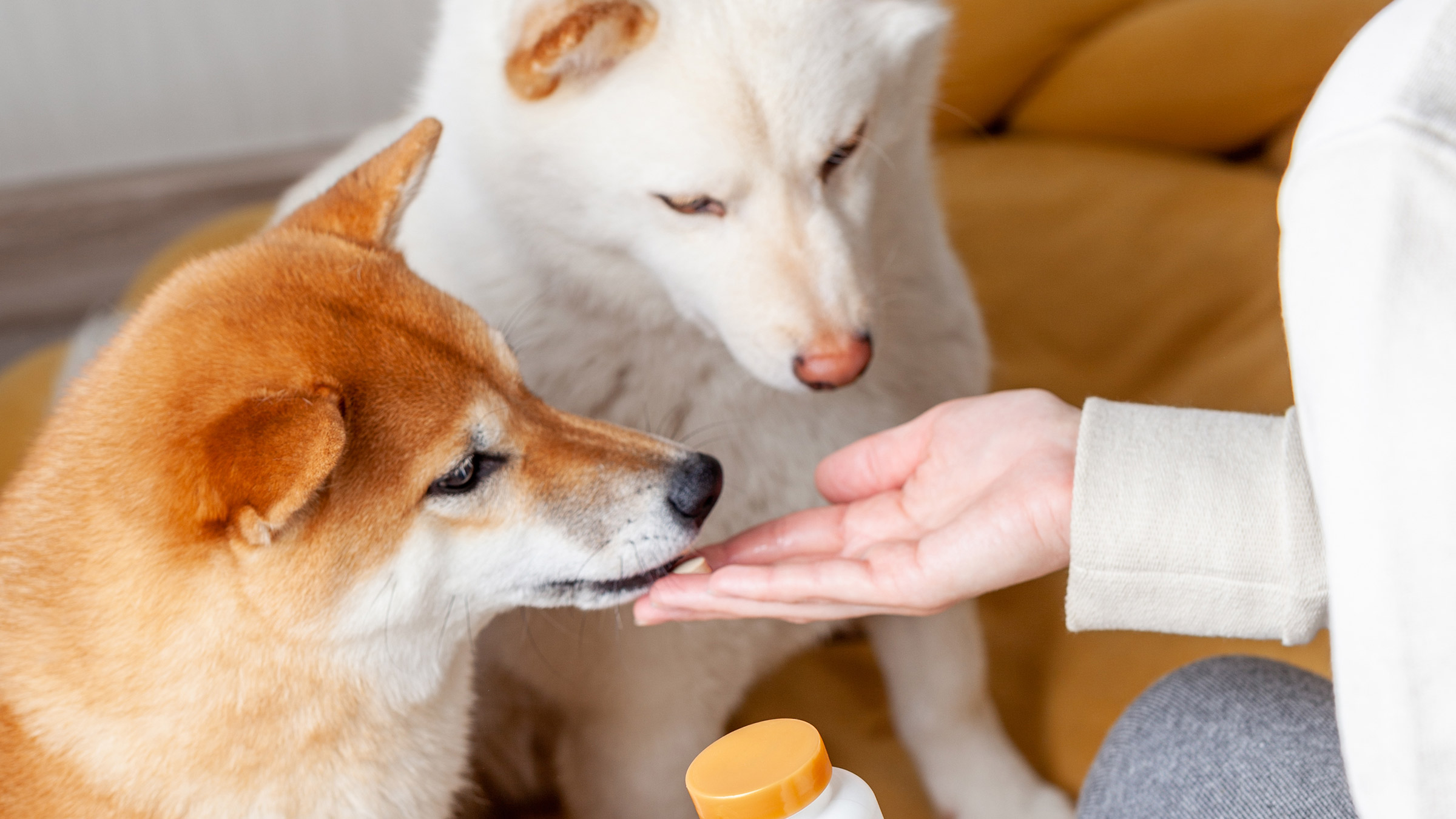
Credit: www.goodrx.com
Precautions And Considerations
Consider consulting a vet before giving probiotics to dogs with diarrhea. Certain probiotics may not suit all dogs. Monitor your pet for any adverse reactions.
Giving probiotics to dogs can help with diarrhea. But you should be aware of certain precautions and considerations. Probiotics are generally safe, but every dog is different. It’s important to observe your dog’s reaction. Sometimes, what works for one dog might not work for another.Potential Side Effects
Probiotics can cause mild side effects in dogs. Some dogs may experience gas or bloating. These symptoms are usually temporary. If these side effects persist, stop giving the probiotics. Always monitor your dog for changes in behavior or appetite.When To Consult A Vet
Always consult a vet before starting probiotics. A vet can help determine the right type and dosage. If your dog has severe diarrhea, seek professional advice. Chronic diarrhea can indicate a more serious issue. A vet can rule out other health problems. This ensures your dog receives the best care. “`
Credit: vetnique.com
Frequently Asked Questions
What Are Probiotics For Dogs?
Probiotics are beneficial bacteria that support your dog’s digestive health. They help maintain a balanced gut microbiome.
Can Probiotics Stop Diarrhea In Dogs?
Yes, probiotics can help alleviate diarrhea in dogs. They restore gut flora balance, improving digestion and reducing symptoms.
How Quickly Do Probiotics Work For Dog Diarrhea?
Probiotics can start working within a few days. However, noticeable improvement in your dog’s diarrhea may take up to a week.
Are There Any Side Effects Of Probiotics For Dogs?
Probiotics are generally safe for dogs. However, some may experience mild gas or bloating initially.
Conclusion
Probiotics can help dogs with diarrhea. They improve gut health and balance. Not all dogs will respond the same way. Always consult your vet before starting probiotics. A proper diet and hydration are also key. Observe your dog’s condition closely.
Adjust treatments as needed. Good gut health means a happier dog. Keep your furry friend healthy and active. Consider probiotics as part of a balanced approach.
Last Updated on April 16, 2026