
Probiotics can boost your pet’s health. They are beneficial for both dogs and cats.
Probiotics are friendly bacteria that help keep the gut healthy. They support digestion, boost the immune system, and can even improve mood and behavior. Pets, like humans, can benefit greatly from probiotics. Adding probiotics to your dog or cat’s diet can lead to better digestion, fewer allergies, and a shinier coat.
Understanding how probiotics work and choosing the right type can make a big difference in your pet’s well-being. Let’s explore how probiotics can improve the health of your furry friends and what to consider when adding them to their diet.
Introduction To Probiotics
Probiotics are beneficial microorganisms. They can aid in improving gut health. Recently, probiotics have gained popularity for pets, particularly dogs and cats. Understanding probiotics for pets can help improve their overall health.
What Are Probiotics?
Probiotics are live bacteria and yeasts. They are good for the digestive system. These microorganisms naturally live in the gut. They help balance the gut flora. This balance is crucial for digestion and overall health.
Probiotics come in various forms. These include supplements, food, and treats. They are designed to support the gut health of pets. By maintaining a healthy gut, probiotics can improve a pet’s immune system.
Importance For Pets
Pets often suffer from digestive issues. These can include diarrhea, constipation, and bloating. Probiotics can help manage these problems. They promote a healthy balance of gut bacteria. This balance is essential for a pet’s health.
Probiotics can also boost a pet’s immune system. A healthy gut flora can help fight off infections. It can also reduce the risk of chronic diseases. By supporting the gut, probiotics can improve a pet’s overall well-being.
In conclusion, probiotics offer numerous benefits for dogs and cats. They promote a healthy gut, boost immunity, and improve overall health. Incorporating probiotics into your pet’s diet can be a simple way to enhance their quality of life.

Credit: vetnique.com
Benefits For Dogs
Probiotics can be highly beneficial for dogs. They support overall health and well-being. Let’s explore some of the key benefits for dogs.
Improved Digestion
Probiotics help balance your dog’s gut flora. This can lead to better digestion. Dogs with digestive issues may see significant improvements. Probiotics can reduce diarrhea and constipation. They also help in nutrient absorption. Your dog will feel more comfortable and happier.
Enhanced Immunity
A strong immune system is crucial for dogs. Probiotics play a key role in boosting immunity. Healthy gut bacteria can fend off harmful pathogens. This means fewer infections and illnesses. Your dog’s body will be better equipped to fight off diseases. Regular probiotic intake supports long-term health.
Better Skin And Coat
Healthy skin and a shiny coat are signs of a healthy dog. Probiotics contribute to both. They help reduce inflammation and allergic reactions. This can lead to fewer skin irritations. A balanced gut flora also supports a healthier coat. Your dog’s fur will look shinier and feel softer.
Benefits For Cats
Probiotics are beneficial for cats in various ways. They help improve gut health, reduce stress, and provide relief from allergies. Including probiotics in your cat’s diet can lead to a healthier and happier life.
Gut Health
Probiotics support a healthy gut in cats. They enhance digestion and nutrient absorption. A healthy gut helps prevent common digestive issues such as diarrhea and constipation.
- Improves digestion
- Enhances nutrient absorption
- Prevents diarrhea and constipation
Stress Reduction
Probiotics can help reduce stress in cats. Stress can lead to various health problems. Probiotics support a balanced gut microbiome, which in turn supports the immune system.
With a stronger immune system, cats are better equipped to handle stress. This can lead to a calmer and more relaxed pet.
Allergy Relief
Probiotics can provide relief from allergies. They help balance the immune system and reduce inflammation. This can result in fewer allergy symptoms.
| Benefit | Details |
|---|---|
| Immune System Support | Balanced gut microbiome supports immune health |
| Inflammation Reduction | Probiotics reduce inflammation linked to allergies |
| Symptom Relief | Fewer allergy symptoms over time |
Incorporating probiotics into your cat’s diet can lead to significant health improvements. It’s a simple addition that can make a big difference.
Choosing The Right Probiotics
Selecting the right probiotics for your dog or cat can be challenging. You want to ensure your pet gets the best benefits. This section will help you understand different types of probiotics and quality indicators to look for.
Types Of Probiotics
Not all probiotics are the same. Here are some common types:
- Lactobacillus: Commonly used for digestive health.
- Bifidobacterium: Helps with bowel movements and reduces gut inflammation.
- Enterococcus: Known for improving overall gut health.
Each type has unique benefits. Choose based on your pet’s specific needs.
Quality Indicators
High-quality probiotics have several key indicators. Look for these:
| Indicator | Description |
|---|---|
| CFU Count | CFU stands for Colony Forming Units. Aim for at least 1 billion CFU per serving. |
| Strain Diversity | More strains mean broader benefits. Look for products with multiple strains. |
| Expiration Date | Ensure the product is within its expiration date for maximum potency. |
| Storage Instructions | Proper storage is crucial. Some probiotics need refrigeration. |
Always consult your vet before adding a new supplement. This ensures you choose the best option for your pet.
How To Administer Probiotics
Giving probiotics to dogs and cats can support their gut health. Mix the supplement into their food or use a special dropper. Follow the dosage instructions on the packaging for best results.
Probiotics are beneficial for your pets. They help improve digestion and boost the immune system. But how do you give probiotics to your dog or cat? Let’s break it down.Dosage Guidelines
Always start with the recommended dose on the probiotic package. Most products have clear instructions. If you’re unsure, consult your vet. They can suggest the right amount based on your pet’s size and health. For dogs, the dosage usually depends on their weight. Smaller dogs need less, larger dogs need more. Cats typically need smaller doses than dogs. It’s crucial to stick to the recommended amount. Remember, more is not always better. Overdosing can cause digestive upset. Start with a small amount and increase gradually.Mixing With Food
Mixing probiotics with food is an easy method. Most pets won’t notice the addition. Sprinkle the probiotic powder on their regular food. You can also mix it with wet food or a tasty treat. If you’re using probiotic capsules, open them and sprinkle the contents. This ensures they get the full dose. Some probiotics come in liquid form. Add the liquid to your pet’s water or food. Make sure your pet finishes their meal. This ensures they get the full dose of probiotics. If they don’t finish, you may need to adjust the serving size. Administering probiotics consistently helps maintain their benefits. Stick to a regular schedule, like during meal times. This makes it easier for you and your pet. Probiotics can improve your pet’s health. With the right dosage and method, it’s simple to include them in their diet. “`
Credit: todaysveterinarynurse.com
Potential Side Effects
Probiotics for dogs and cats may cause mild side effects. These include gas, bloating, or diarrhea in some pets. Always consult a vet before starting probiotics.
Probiotics can be great for dogs and cats. They help with digestion and boost the immune system. But, like any supplement, they may cause side effects. It’s important to know what to watch out for. Below are some common reactions and when to consult a vet.Common Reactions
Some pets may experience mild side effects. These usually go away on their own. Here are a few common reactions:- Gas: Your pet might pass more gas than usual. This is due to changes in the gut.
- Diarrhea: Soft stools or diarrhea can occur. This is often temporary.
- Upset Stomach: Some pets may feel discomfort. They might seem less active or eat less.
When To Consult A Vet
While side effects are usually mild, some situations require a vet’s attention. Here are some signs you should not ignore:- Persistent Diarrhea: If diarrhea lasts more than a few days, call your vet.
- Severe Vomiting: Excessive vomiting can lead to dehydration. Seek help if this occurs.
- Allergic Reactions: Look for signs like itching, swelling, or difficulty breathing. These can be serious.
| Side Effect | Action |
|---|---|
| Gas | Monitor for a few days |
| Diarrhea | Consult vet if it persists |
| Upset Stomach | Monitor and provide comfort |
| Severe Vomiting | Seek immediate veterinary care |
| Allergic Reactions | Call vet immediately |
Natural Sources Of Probiotics
Probiotics are essential for the gut health of dogs and cats. They help in digestion, boost the immune system, and improve overall well-being. There are natural sources of probiotics that you can add to your pets’ diet to ensure they get these beneficial bacteria. Here, we’ll look at some of these natural sources.
Fermented Foods
Fermented foods are rich in probiotics. They contain live bacteria that promote a healthy gut. Some examples of fermented foods for pets include kefir and plain yogurt. These foods are safe and beneficial for dogs and cats. Always ensure the products do not contain added sugars or artificial sweeteners.
Another fermented food option is sauerkraut. It contains good bacteria and is easy to digest. Just a small amount can provide the necessary probiotics. Make sure it is unpasteurized and free from harmful additives.
Probiotic Supplements
Probiotic supplements are another great source. These supplements come in various forms, such as powders, capsules, and chews. They are specially formulated for pets and are easy to administer. You can mix the powder into your pet’s food or give them a chew as a treat.
Look for high-quality supplements that contain multiple strains of bacteria. This ensures a diverse range of probiotics for your pet’s gut health. Always consult your vet before starting any supplement regimen to ensure it is safe and appropriate for your pet.
Incorporating Probiotics Into Daily Routine
Incorporating probiotics into your dog or cat’s daily routine can promote their digestive health. Consistency and proper administration are key for effectiveness. Probiotics support gut health, which can lead to better overall well-being for your pets.
Creating A Schedule
Establishing a daily schedule for probiotics ensures your pet receives them regularly. Choose a time that fits your routine. Morning or evening feedings are often convenient. Consistency helps your pet’s digestive system adapt to the probiotics. Use a reminder system to stay on track.
Monitoring Progress
Observe changes in your pet’s behavior and health. Look for improvements in digestion, energy levels, and coat condition. Keep a journal to note any changes. Consult your veterinarian if you notice any adverse effects. Regular check-ups can help ensure the probiotics are working effectively.
Case Studies And Testimonials
Probiotics for dogs and cats have gained popularity due to their numerous health benefits. Pet owners often seek real-world evidence before trying new products. This section delves into case studies and testimonials that highlight the effectiveness of probiotics in pets.
Success Stories
Many pet owners have witnessed significant improvements in their pets’ health after introducing probiotics. One dog owner, Jane, shared how her dog Max had frequent digestive issues. After using a probiotic supplement, Max’s digestion improved, and he became more energetic.
Similarly, a cat owner, Tom, noticed his cat Luna had less hair shedding and shinier fur. Luna’s appetite also increased, and she became more playful. These stories reflect the positive impact of probiotics on pet health.
Veterinarian Insights
Veterinarians also advocate the use of probiotics for pets. Dr. Smith, a renowned veterinarian, emphasizes the role of probiotics in maintaining gut health. He states that probiotics can help in reducing inflammation and boosting the immune system.
Dr. Lee, another veterinarian, recommends probiotics for pets with allergies. She has observed that probiotics can help manage allergy symptoms and improve overall skin health. Dr. Lee’s insights are supported by clinical studies showing the benefits of probiotics.
Veterinarians often suggest probiotics as a natural remedy for various health issues. Their professional insights add credibility to the use of probiotics for pets.
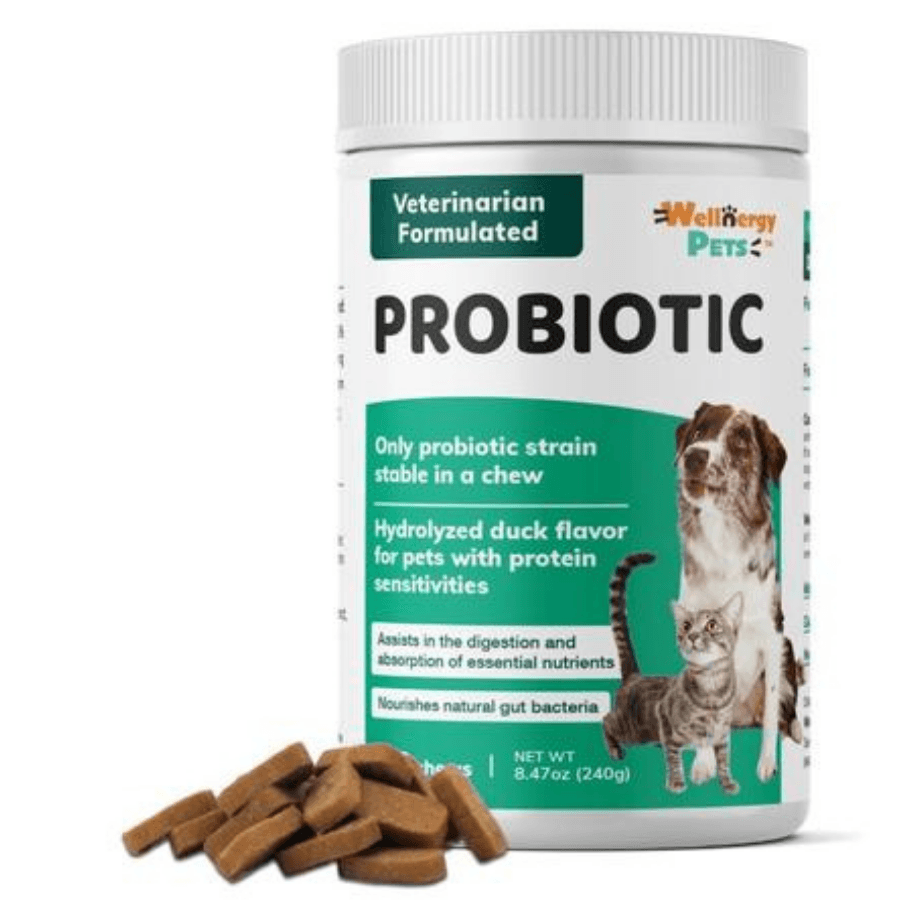
Credit: www.wellnergypets.com
Frequently Asked Questions
What Are Probiotics For Pets?
Probiotics are beneficial bacteria that support your pet’s digestive health. They help maintain a balanced gut flora, improve digestion, and boost immunity.
How Do Probiotics Benefit Dogs?
Probiotics aid in digestion, reduce diarrhea, and enhance nutrient absorption in dogs. They also help strengthen the immune system and improve overall gut health.
Can Cats Take Probiotics Safely?
Yes, cats can take probiotics safely. Probiotics support digestive health, reduce gastrointestinal issues, and enhance the immune system in cats.
How Often Should Pets Take Probiotics?
It’s best to follow the veterinarian’s recommendation for your pet. Typically, probiotics are given daily or as needed to maintain gut health.
Conclusion
Probiotics for dogs and cats offer many health benefits. They improve digestion and boost immunity. Your pets can lead happier, healthier lives with probiotics. Introduce them slowly into their diet. Always choose high-quality products for best results. Consult your vet before starting any new supplement.
A happy pet means a happy home.
Last Updated on April 16, 2026