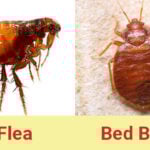
Fleas can make your dog miserable. These tiny pests cause itching and discomfort.
Keeping fleas off your dog is essential for their well-being. Fleas are not just annoying; they can lead to serious health problems. They cause skin infections and spread diseases. So, finding the best way to keep fleas off dogs is crucial.
There are many solutions available, from topical treatments to natural remedies. Each option has its own benefits and drawbacks. In this blog post, we will explore various methods to protect your furry friend from these pesky invaders. Let’s dive into the best options to keep your dog happy and flea-free.
Common Flea Problems
Fleas can cause a lot of trouble for dogs. They are more than just annoying pests. These tiny insects can create big problems for both pets and their owners. Understanding common flea problems can help you keep your dog safe and comfortable.
Flea Infestations
Flea infestations can happen quickly. Fleas multiply fast, and before you know it, they can be everywhere. Your dog may scratch a lot. Fleas bite and cause itching and discomfort. You might also notice fleas in your home. They can hide in carpets, bedding, and furniture. Flea eggs can drop off your dog and hatch later, continuing the cycle.
Health Risks
Fleas can cause health problems for your dog. Flea bites can lead to skin infections. Some dogs are allergic to flea saliva. This can cause severe itching and red, inflamed skin. Fleas can also carry diseases. They can transmit tapeworms and other parasites. In some cases, flea infestations can cause anemia in dogs. This happens when fleas drink too much of your dog’s blood.
Identifying Fleas On Dogs
Identifying fleas on dogs is crucial for pet owners. Fleas can cause discomfort and health issues for your furry friend. Recognizing the signs early helps in taking swift action. This section will guide you on how to spot these pests on your dog.
Visible Signs
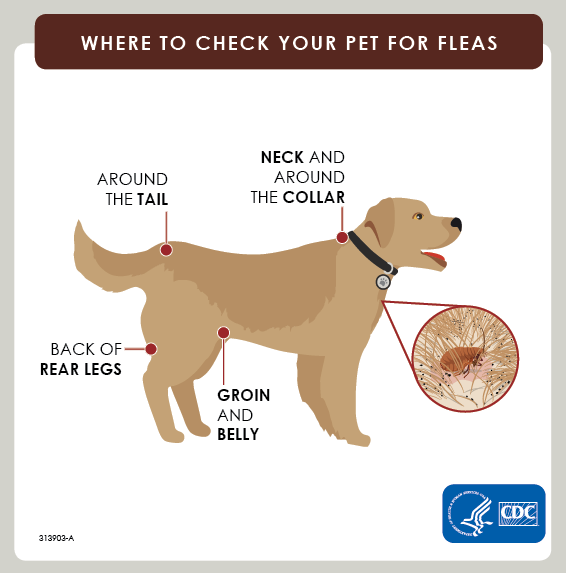
Look for small, dark brown insects moving in your dog’s fur. Fleas are tiny but visible to the naked eye. Flea dirt is another sign. These are small black specks found on your dog’s skin. Use a flea comb to check for these signs. Part your dog’s fur and inspect the skin closely.
Behavioral Changes
Your dog may scratch or bite their skin more than usual. Fleas cause itching, leading to excessive grooming. Watch for signs of restlessness. Dogs with fleas often seem uncomfortable and irritable. Pay attention to any unusual licking or chewing of the skin.
By knowing these signs, you can keep your dog flea-free and healthy. Regular checks and prompt action will help your dog stay comfortable and happy.
Flea Prevention Methods
Keeping fleas off your dog is crucial for their health. Fleas cause discomfort and lead to other health problems. Fortunately, there are various effective flea prevention methods available. These methods help ensure your dog stays happy and healthy.
Topical Treatments
Topical treatments are applied directly to your dog’s skin. They are easy to use and very effective. You usually apply these treatments once a month.
Popular options include:
- Advantage
- Frontline Plus
- K9 Advantix II
These products kill fleas on contact. They also prevent new fleas from infesting your dog. Always follow the instructions on the packaging. This ensures you apply the correct amount.
Oral Medications
Oral medications are another great option. These pills are easy to give to your dog. They work from the inside out, killing fleas quickly.
Common choices are:
- NexGard
- Bravecto
- Comfortis
Oral medications often last longer than topical treatments. Some provide protection for up to three months. They are a good choice for dogs with sensitive skin.
Consult your vet before starting any flea prevention method. This ensures you choose the best option for your dog’s needs.

Credit: newengland.com
Natural Remedies
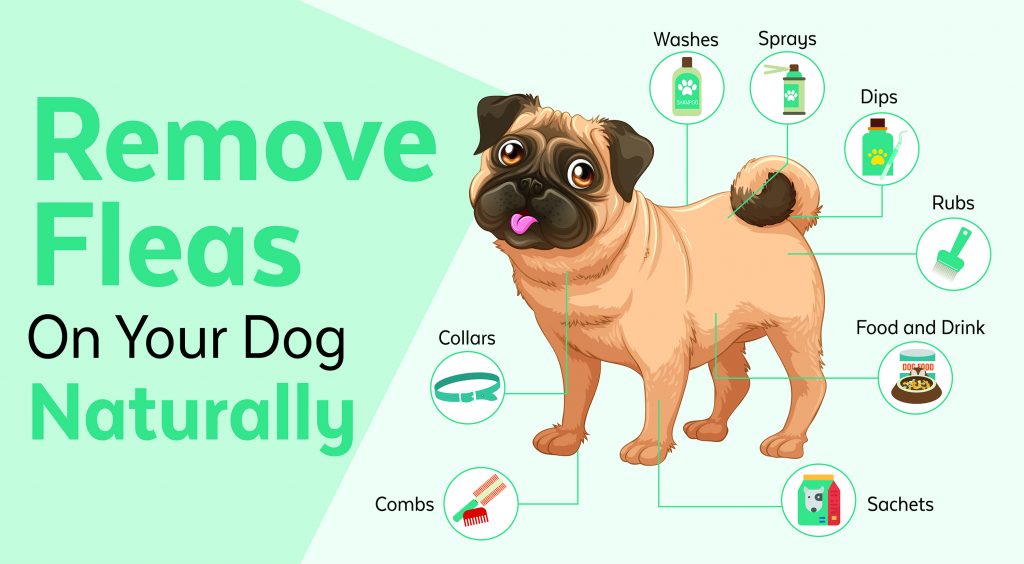
Keeping fleas off your dog can be challenging. Natural remedies offer a safe and effective solution. They avoid the harsh chemicals found in many commercial products. Let’s explore some of the best natural remedies for keeping fleas at bay.
Essential Oils
Essential oils are a great natural remedy for fleas. Lavender oil is known for its flea-repelling properties. Mix a few drops with water in a spray bottle. Spray your dog’s coat lightly. Avoid the eyes and ears. Cedarwood oil is another excellent option. It not only repels fleas but also soothes your dog’s skin. Always dilute essential oils before use. Essential oils can be potent and may irritate your dog’s skin if used undiluted.
Herbal Solutions
Herbs can also keep fleas away from your dog. Rosemary is a natural flea repellent. Create a rosemary rinse by boiling the herb in water. Strain the mixture and let it cool. Use it as a final rinse after your dog’s bath. Another effective herb is lemongrass. You can find lemongrass-based sprays in many pet stores. Alternatively, make your own by mixing lemongrass oil with water. Spray it on your dog’s coat.
Brewer’s yeast is another herbal remedy. Add it to your dog’s diet. It makes their blood less appealing to fleas. Check with your vet before making dietary changes.
Flea-repellent Collars
Flea-Repellent Collars are a popular solution for keeping fleas off dogs. These collars are designed to release chemicals that repel or kill fleas. They can be effective for months, providing a convenient and long-term solution for pet owners.
Types Of Collars
There are several types of flea-repellent collars available on the market:
- Insecticide Collars: These collars release chemicals that kill fleas on contact.
- Natural Repellent Collars: Made from essential oils, these collars repel fleas without harsh chemicals.
- Reflective Collars: These offer the dual benefit of flea protection and increased visibility at night.
Each type of collar has its own benefits. Insecticide collars are known for their strong, immediate action. Natural repellent collars are preferred by those looking for a chemical-free solution. Reflective collars add an extra layer of safety for night-time walks.
Effectiveness
The effectiveness of flea-repellent collars can vary based on several factors:
| Type of Collar | Duration of Protection | Level of Effectiveness |
|---|---|---|
| Insecticide Collars | Up to 8 months | High |
| Natural Repellent Collars | Up to 3 months | Moderate |
| Reflective Collars | Varies | Moderate to High |
For the best results, it’s important to choose a collar that suits your dog’s needs. Insecticide collars may offer the longest protection, but natural options are gentler. Reflective collars provide additional safety benefits.
When selecting a flea-repellent collar, consider your dog’s lifestyle and any sensitivities they might have. Regularly check the collar’s fit and condition to ensure it remains effective.
Credit: www.cdc.gov
Grooming Practices
Keeping your dog flea-free requires consistent grooming practices. Regular grooming helps detect and remove fleas early. It also promotes your dog’s overall health. Let’s explore some effective grooming techniques.
Regular Bathing
Regular bathing can significantly reduce fleas on your dog. Use a vet-approved flea shampoo. Bathing once a week is ideal. Ensure to lather the shampoo well into your dog’s fur. Allow it to sit for a few minutes before rinsing. This ensures fleas and eggs are killed.
Here’s a simple bathing routine:
- Brush your dog’s coat to remove tangles.
- Wet the coat thoroughly with warm water.
- Apply the flea shampoo and lather well.
- Let the shampoo sit for 5 minutes.
- Rinse thoroughly with clean water.
- Dry your dog with a towel.
Combing Techniques
Use a flea comb daily to remove fleas and eggs. Flea combs have tightly spaced teeth. They effectively catch and remove fleas from your dog’s fur. Comb your dog in a well-lit area. This makes it easier to see fleas.
Follow these combing steps:
- Start at your dog’s head and move towards the tail.
- Comb in short, gentle strokes.
- Dip the comb in soapy water after each stroke. This kills any fleas caught.
- Pay extra attention to the neck and tail areas.
Regular combing helps maintain a flea-free coat. It also strengthens your bond with your pet.
Home Maintenance
Keeping your home clean is crucial to keep fleas off dogs. It helps prevent infestations and ensures a healthy environment for your furry friend. Regular home maintenance is key. Below are some effective methods.
Vacuuming
Vacuuming is one of the best ways to control fleas. Fleas and their eggs can hide in carpets, rugs, and furniture. Regular vacuuming removes them.
Focus on areas where your dog spends the most time. These are hotspots for fleas. Vacuum all carpets, rugs, and upholstered furniture. Pay special attention to cracks and crevices.
Use a vacuum with strong suction and a rotary brush. This helps to lift fleas from the fibers. Empty the vacuum bag or canister after each use. Dispose of the contents in a sealed bag to prevent re-infestation.
Washing Pet Bedding
Washing your dog’s bedding is essential. Fleas love to hide in warm, soft places. Clean the bedding at least once a week.
Use hot water to wash the bedding. Hot water kills fleas and their eggs. After washing, dry the bedding on high heat. High heat also helps to kill any remaining pests.
Consider using a mild detergent. This is safer for your dog’s skin. Avoid using harsh chemicals that could irritate your pet.
| Task | Frequency | Tools Needed |
|---|---|---|
| Vacuuming | Every other day | Vacuum with rotary brush |
| Washing Pet Bedding | Weekly | Hot water, mild detergent |
By maintaining a clean home, you reduce the risk of flea infestations. Your dog will be happier and healthier. Regular home maintenance is a simple yet effective way to keep fleas at bay.
Credit: jetpetresort.com
Veterinary Advice
When dealing with fleas on dogs, it’s crucial to seek veterinary advice. Veterinarians can provide the best guidance and treatment options tailored to your pet’s needs. Read on to learn more about professional treatments and when to seek help.
Professional Treatments
Professional treatments are often necessary to effectively manage flea infestations. These treatments include:
- Prescription flea medications
- Flea shampoos and dips
- Oral tablets
- Topical solutions
Prescription flea medications are usually the most effective. They often kill both adult fleas and their eggs. This breaks the flea life cycle, preventing future infestations. Flea shampoos and dips can offer quick relief by killing fleas on contact.
Oral tablets work systemically, meaning they kill fleas when they bite your dog. Topical solutions are applied directly to the skin, usually between the shoulder blades. They spread over your dog’s body to kill and repel fleas.
When To Seek Help
It’s important to know when to seek veterinary help for flea issues. Here are some signs that indicate it’s time to visit your vet:
- Severe itching and scratching
- Hair loss
- Red, inflamed skin
- Scabs or sores
- Pale gums
Severe itching and scratching can lead to hair loss and skin infections. Red, inflamed skin, and scabs or sores can make your dog very uncomfortable. Pale gums may indicate anemia, a serious condition caused by flea bites.
If you notice any of these signs, seek veterinary advice immediately. Your vet can diagnose the problem and recommend the best course of treatment.
Frequently Asked Questions
What Natural Remedies Keep Fleas Off Dogs?
Natural remedies like apple cider vinegar, lemon spray, and essential oils can help repel fleas. Regular grooming and bathing also keep fleas away.
How Often Should I Bathe My Dog For Fleas?
Bathe your dog with a flea shampoo every two weeks. Regular grooming helps in early flea detection and control.
Can Flea Collars Prevent Infestations?
Yes, flea collars can effectively prevent flea infestations. They release chemicals that repel or kill fleas, providing long-term protection.
Are Homemade Flea Sprays Effective?
Homemade flea sprays using ingredients like vinegar or lemon are effective. They are safe alternatives to chemical-based products.
Conclusion
Keeping fleas off dogs can seem challenging, but it’s achievable. Regular grooming is key. Use flea treatments consistently. Clean your home and yard often. Choose natural remedies if preferred. Monitor your dog’s health closely. Consult a vet for persistent issues.
With these tips, your dog stays happy and flea-free. Your pet’s comfort is worth the effort. Make flea prevention a routine. Your furry friend will thank you.
Last Updated on April 14, 2026