Fleas can be a big problem for kittens. They cause discomfort and health issues.
As a kitten owner, you want to protect your furry friend. Fleas are tiny pests, but their impact can be huge. Kittens are especially vulnerable to flea infestations. Their small bodies and developing immune systems make them easy targets. Getting rid of fleas quickly is important for your kitten’s well-being.
In this guide, we will explore various flea remedies. We will look at safe, effective options to keep your kitten flea-free. From natural treatments to vet-approved solutions, we’ve got you covered. Your kitten deserves to be happy and healthy. Let’s dive into the best ways to tackle those pesky fleas.
Common Signs Of Fleas In Kittens
Fleas can be a serious issue for kittens. These tiny parasites cause discomfort and health problems. It’s important to know the common signs of fleas in kittens. This helps you take action quickly and keep your kitten healthy.
Visible Flea Dirt
One common sign is visible flea dirt. Flea dirt looks like tiny black specks on your kitten’s fur. These specks are flea droppings, which are actually digested blood. You can spot flea dirt by parting your kitten’s fur and checking near the skin. Use a fine-tooth comb to help with this.
Excessive Scratching
Another sign is excessive scratching. Kittens with fleas scratch a lot. This is because flea bites cause itching and irritation. Watch for your kitten scratching more than usual. It’s a clear indicator of fleas. Check the base of the tail, neck, and belly for flea activity.
Why Flea Control Is Important
Flea control is crucial for kittens’ health and well-being. Fleas cause serious health issues and discomfort. Addressing flea problems early ensures a healthy, happy kitten.
Health Risks
Fleas pose several health risks to kittens. They are more vulnerable than adult cats.
- Anemia: Fleas feed on blood, causing anemia in kittens.
- Skin Infections: Flea bites lead to itchy, irritated skin and infections.
- Parasites: Fleas transmit tapeworms and other parasites.
These health risks make flea control essential for your kitten’s safety.
Preventing Infestations
Preventing flea infestations helps maintain a clean, healthy environment. Here are some steps to prevent fleas:
- Regularly bathe your kitten with flea shampoo.
- Use flea combs to remove fleas and eggs.
- Wash bedding and vacuum frequently.
- Consider using vet-recommended flea treatments.
Implementing these measures keeps your kitten safe from fleas.
Natural Flea Remedies
Finding natural flea remedies for kittens can be a safe and effective way to keep your furry friend healthy. Many pet owners prefer natural treatments to avoid exposing their kittens to harsh chemicals. Below, we will discuss some popular natural flea remedies that you can try at home.
Diatomaceous Earth
Diatomaceous Earth (DE) is a fine powder made from the fossilized remains of tiny aquatic organisms. It is safe for kittens when used correctly.
- Buy food-grade Diatomaceous Earth.
- Sprinkle a small amount on your kitten’s fur.
- Gently rub it into their coat, avoiding eyes and mouth.
- Leave it on for about 24 hours and then bathe your kitten.
DE works by dehydrating fleas, causing them to die. It is important to use food-grade DE to ensure safety for your kitten.
Herbal Flea Sprays
Herbal flea sprays can be made from ingredients you may already have at home. These sprays are gentle on kittens and can help repel fleas.
Here is a simple recipe:
| Ingredient | Amount |
|---|---|
| Water | 1 cup |
| Apple Cider Vinegar | 1/2 cup |
| Lemon Juice | 1/4 cup |
- Mix all ingredients in a spray bottle.
- Shake well before each use.
- Lightly spray your kitten’s fur, avoiding eyes and mouth.
- Use once a week or as needed.
Apple cider vinegar and lemon juice help to repel fleas naturally. This spray is a gentle way to protect your kitten from fleas.
Over-the-counter Flea Treatments
Over-the-counter flea treatments can help keep your kitten free from fleas. These treatments are available without a prescription and are easy to use. You can find them in pet stores or online. They come in two main forms: topical solutions and oral medications. Below, we will explore each type in detail.
Topical Solutions
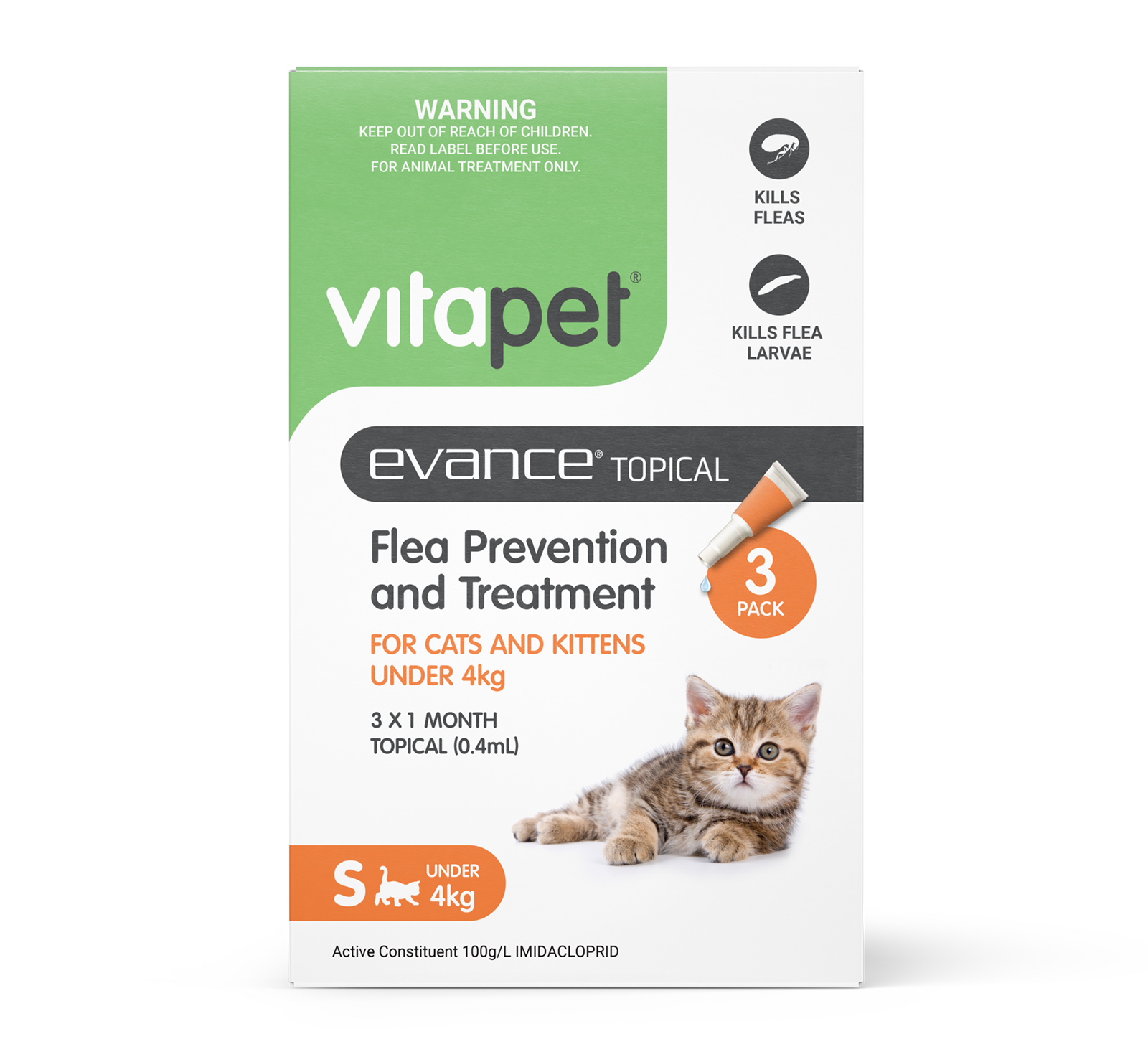
Topical solutions are applied directly to your kitten’s skin. They usually come in small tubes. The liquid is typically applied between the kitten’s shoulder blades. This prevents the kitten from licking it off. Here are some popular options:
- Frontline Plus: Effective for killing fleas and ticks. It also stops flea eggs from hatching.
- Advantage II: Kills fleas through contact. No need for fleas to bite your kitten.
- Revolution: Offers protection against fleas, heartworms, and ear mites.
Always follow the instructions on the package. Ensure the product is safe for kittens. Some products are only suitable for older cats.
Oral Medications
Oral medications are another effective flea treatment. These come in tablet or chewable form. They are easy to administer. Just mix the tablet with your kitten’s food or give it as a treat.
Here are a few options:
- Capstar: Starts killing fleas within 30 minutes. Safe for kittens over four weeks old.
- Comfortis: Provides month-long protection. It kills fleas before they can lay eggs.
- Program: Prevents flea eggs from hatching. Works best when used with other treatments.
Consult your vet before starting any oral medication. Some products may have age or weight restrictions.
Both topical solutions and oral medications have their benefits. Choose the one that best suits your kitten’s needs and your lifestyle.
Flea Combs And Grooming
Fleas can be a huge problem for kittens. They cause discomfort and health issues. One effective way to manage fleas is by using flea combs and grooming. This method is safe and gentle for kittens. It also allows you to bond with your pet while keeping them healthy. Let’s explore how to choose the right comb and the best grooming techniques.
Choosing The Right Comb
Not all flea combs are the same. Look for a comb with fine teeth. This helps to catch fleas and their eggs. The teeth should be close together. This ensures the fleas are removed effectively. The comb should be comfortable to hold. A good grip helps you groom your kitten without stress.
Effective Grooming Techniques
Start by brushing your kitten gently. Make sure they feel relaxed. Begin at the head and work your way down. Be thorough. Check the comb after each stroke. Dip it in soapy water to kill the fleas. Pay extra attention to the neck, tail, and belly. These areas often have more fleas. Groom your kitten regularly. This keeps fleas at bay and your kitten happy.
Credit: vitapet.com
Environmental Control
To keep your kitten flea-free, focus on environmental control. This ensures fleas don’t infest your home. Implementing proper cleaning routines can help prevent fleas from spreading.
Cleaning Bedding
Wash your kitten’s bedding regularly. Use hot water. Hot water kills fleas and their eggs. Dry the bedding on high heat. This ensures all fleas are eliminated.
Consider using a flea-repellent detergent. This adds an extra layer of protection. Change the bedding frequently. Clean bedding reduces the risk of flea infestations.
Vacuuming Regularly
Vacuuming your home is crucial. Fleas lay eggs in carpets and furniture. Vacuum these areas thoroughly. Pay special attention to areas where your kitten sleeps and plays.
Empty the vacuum bag or container after each use. Dispose of it outside. This prevents fleas from escaping back into your home. Vacuuming regularly helps control flea populations.
Use a vacuum with a HEPA filter. This traps small particles, including flea eggs. Clean your vacuum filter often. This ensures it remains effective in capturing fleas.
Veterinary Prescribed Options
Flea infestations can make kittens very uncomfortable. To keep them safe and healthy, it’s crucial to address this issue promptly. One effective approach is using veterinary prescribed options. These options ensure that your kitten receives safe and effective treatment tailored to their needs. Let’s explore some of these options in detail.
Prescription Medications
Veterinarians often recommend prescription medications for treating fleas in kittens. These medications are specifically formulated to be safe for young cats. They effectively kill fleas at various life stages. Some common types include oral tablets and topical solutions. These treatments usually provide quick relief from itching and discomfort.
Professional Advice
Veterinarians can provide valuable advice on the best flea treatments. They consider factors like your kitten’s age, weight, and health status. This ensures the chosen treatment is safe and effective. They can also guide you on proper application techniques to maximize the treatment’s effectiveness. Regular check-ups with the vet can help monitor your kitten’s progress and adjust treatments as needed.

Credit: www.amazon.com
Preventative Measures
Fleas can cause discomfort and health issues for kittens. Preventative measures are essential to keep them safe. This section will focus on steps to prevent flea infestations.
Regular Check-ups
Taking your kitten to the vet for regular check-ups is crucial. Vets can spot fleas early. They can also suggest effective treatments. Regular visits ensure your kitten remains healthy.
Maintaining Cleanliness
Keeping your home clean is essential to prevent fleas. Here are some tips:
- Vacuum your home frequently.
- Wash your kitten’s bedding in hot water.
- Keep your kitten’s living area tidy.
Cleanliness disrupts the flea life cycle. It reduces the chance of infestations.
:strip_icc()/home-remedies-for-fleas-on-cats-4580388_source_file-31aafc6d7e544c60ba1b9d34119c1e7a.jpg)
Credit: www.thesprucepets.com
Frequently Asked Questions
What Are The Best Flea Remedies For Kittens?
Top flea remedies for kittens include flea combs, flea shampoos, and natural solutions like apple cider vinegar. Always consult your vet.
How Often Should I Treat My Kitten For Fleas?
Treat your kitten for fleas every month. Regular treatment prevents infestations and keeps your kitten healthy.
Are Natural Flea Remedies Safe For Kittens?
Yes, many natural remedies like apple cider vinegar are safe. Always consult your vet before using any treatment.
Can I Use Dog Flea Treatments On Kittens?
No, never use dog flea treatments on kittens. They can be harmful. Always use products specifically designed for kittens.
Conclusion
Keeping your kittens flea-free is essential for their health. Use natural remedies and regular grooming. Always consult your vet for the best options. Consistent care and vigilance prevent flea infestations. Remember, a clean environment helps too. Your kittens deserve a happy, healthy life.
Follow these tips to ensure their comfort. Flea control can be simple with the right approach. Stay proactive and your kittens will thrive. Your furry friends will thank you for it.
Last Updated on April 2, 2026