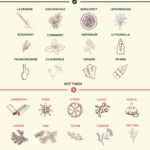
Oil on dogs can be a helpful remedy. It offers various benefits for your furry friend.
Many pet owners are turning to natural solutions for their dogs’ health. Using oil on dogs is one such method gaining popularity. Various oils can improve your dog’s coat, skin, and overall wellness. From soothing dry skin to adding shine to the fur, oils can be quite beneficial.
They also help with issues like itching, inflammation, and even anxiety. In this post, we will explore different oils and their benefits. You will learn how to use them safely and effectively. So, let’s dive into the world of oils and see how they can enhance your dog’s health and happiness.
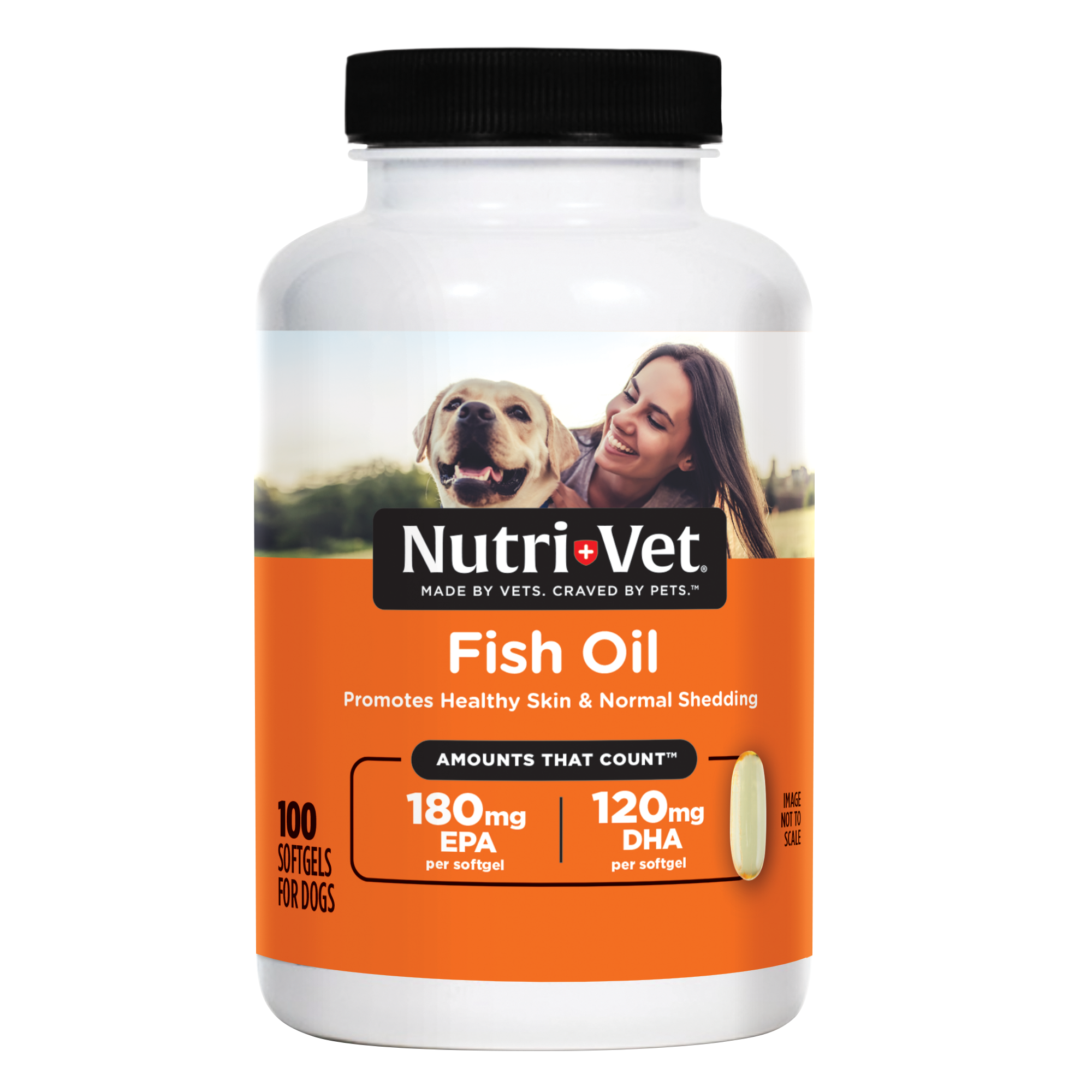
Credit: nutri-vet.com
Benefits Of Oil For Dogs
Many dog owners are discovering the numerous benefits of oil for their furry friends. Oils can improve your dog’s overall health, especially their coat and skin. Let’s explore how oil can make a difference in your dog’s life.
Improved Coat Health
Adding oil to your dog’s diet can significantly enhance their coat health. Oils, such as fish oil and coconut oil, are rich in Omega-3 fatty acids. These fatty acids help in reducing shedding, adding shine, and making the fur softer.
Consider the following oils for a healthy coat:
- Fish Oil
- Coconut Oil
- Olive Oil
Each of these oils provides essential nutrients that promote a strong, shiny, and healthy coat.
Enhanced Skin Condition
Oils also play a crucial role in improving your dog’s skin condition. Dry and flaky skin can cause discomfort for your dog. Adding oil to their diet can help in moisturizing their skin, reducing itching, and preventing infections.
Here are some oils known for their skin benefits:
- Flaxseed Oil
- Hemp Oil
- Sunflower Oil
These oils contain essential fatty acids that nourish the skin from the inside out, ensuring your dog stays comfortable and happy.
Types Of Oils For Dogs
Choosing the right oils for your dog can improve their health. Different oils provide unique benefits. Here, we explore three popular oils for dogs. Each has distinct advantages for your furry friend.
Coconut Oil
Coconut oil is great for your dog’s skin and coat. It helps with dry, itchy skin. It can also improve the shine of their coat. Coconut oil contains medium-chain triglycerides (MCTs). These MCTs boost energy and metabolism. Just add a small amount to your dog’s food.
Fish Oil
Fish oil is rich in omega-3 fatty acids. These fatty acids reduce inflammation and support joint health. They also promote heart health. Fish oil can help dogs with allergies or arthritis. It is available in liquid or capsule form. Make sure to choose high-quality fish oil for the best results.
Olive Oil
Olive oil is a healthy fat for dogs. It contains monounsaturated fats which support the immune system. It also has antioxidants that fight free radicals. Olive oil can improve your dog’s digestion. Adding a small amount to their diet can make a big difference. Use extra virgin olive oil for the best quality.
Choosing The Right Oil
Choosing the right oil for your dog can be challenging. Each dog has unique needs. Selecting the correct oil ensures your dog’s health and well-being. This guide will help you understand the key factors and the importance of consulting a veterinarian.
Factors To Consider
Consider your dog’s age. Puppies and older dogs may need different oils. The type of coat your dog has is important too. Some oils work better for thick coats, others for thin. Your dog’s health status matters. Dogs with allergies may need special oils. Think about the oil’s source. Natural oils are usually better. The oil’s quality is crucial. High-quality oils are more effective and safer.
Consulting A Veterinarian
Your vet knows what’s best for your dog. They can suggest suitable oils. Some dogs have special needs. Only a vet can identify these. Your vet will consider your dog’s overall health. They will help you choose the safest oil. Always consult your vet before trying a new oil.
How To Apply Oil
Applying oil on dogs helps keep their skin and coat healthy. Gently massage a small amount into their fur. Focus on dry or irritated areas for best results.
Applying oil to your dog can bring many health benefits. It can improve their skin, coat, and overall well-being. There are two main methods to apply oil: topical application and oral supplementation. Each method has its own advantages. Let’s dive into how to use each method effectively.Topical Application
Topical application involves applying oil directly to your dog’s skin. This method is great for addressing dry, itchy skin. Start by choosing a suitable oil like coconut or olive oil. First, ensure your dog’s fur is clean and dry. Then, take a small amount of oil in your hand. Rub your hands together to warm the oil. Gently massage the oil into your dog’s skin, focusing on dry or irritated areas. Be sure to avoid the eyes, nose, and ears. After applying, allow the oil to absorb for about 15-20 minutes. You can wipe off any excess oil with a towel. For best results, repeat this process 2-3 times a week.Oral Supplementation
Oral supplementation involves adding oil to your dog’s diet. This method can improve their overall health from the inside out. Fish oil and flaxseed oil are popular choices. Start by checking the recommended dosage for your dog’s weight. You can find this information on the oil’s packaging. Mix the oil with your dog’s regular food. Begin with a small amount to see how your dog reacts. Gradually increase the dosage as needed. Monitor your dog’s reaction to the oil. Look for improvements in their coat, skin, and energy levels. Consistent use can lead to noticeable benefits over time. Always consult your vet before introducing new supplements to your dog’s diet. “`Dosage Guidelines
Using oils for dogs can improve their health and well-being. It is essential to know the correct dosage to ensure your dog benefits without any side effects. This section provides clear guidelines on how much oil to give and how often.
Recommended Amounts
The amount of oil you give your dog depends on its size and weight. Here is a simple guide:
| Dog’s Weight | Amount of Oil |
|---|---|
| Under 20 lbs | 1/4 teaspoon |
| 20-50 lbs | 1/2 teaspoon |
| Over 50 lbs | 1 teaspoon |
Frequency Of Use
It is crucial to administer the oil at the right frequency. Here are some general guidelines:
- Daily Use: For general health and coat condition, give the recommended amount daily.
- Weekly Use: For specific issues like dry skin, you can apply the oil weekly.
Always monitor your dog for any signs of discomfort or reactions. If needed, consult your vet before starting any new supplement.
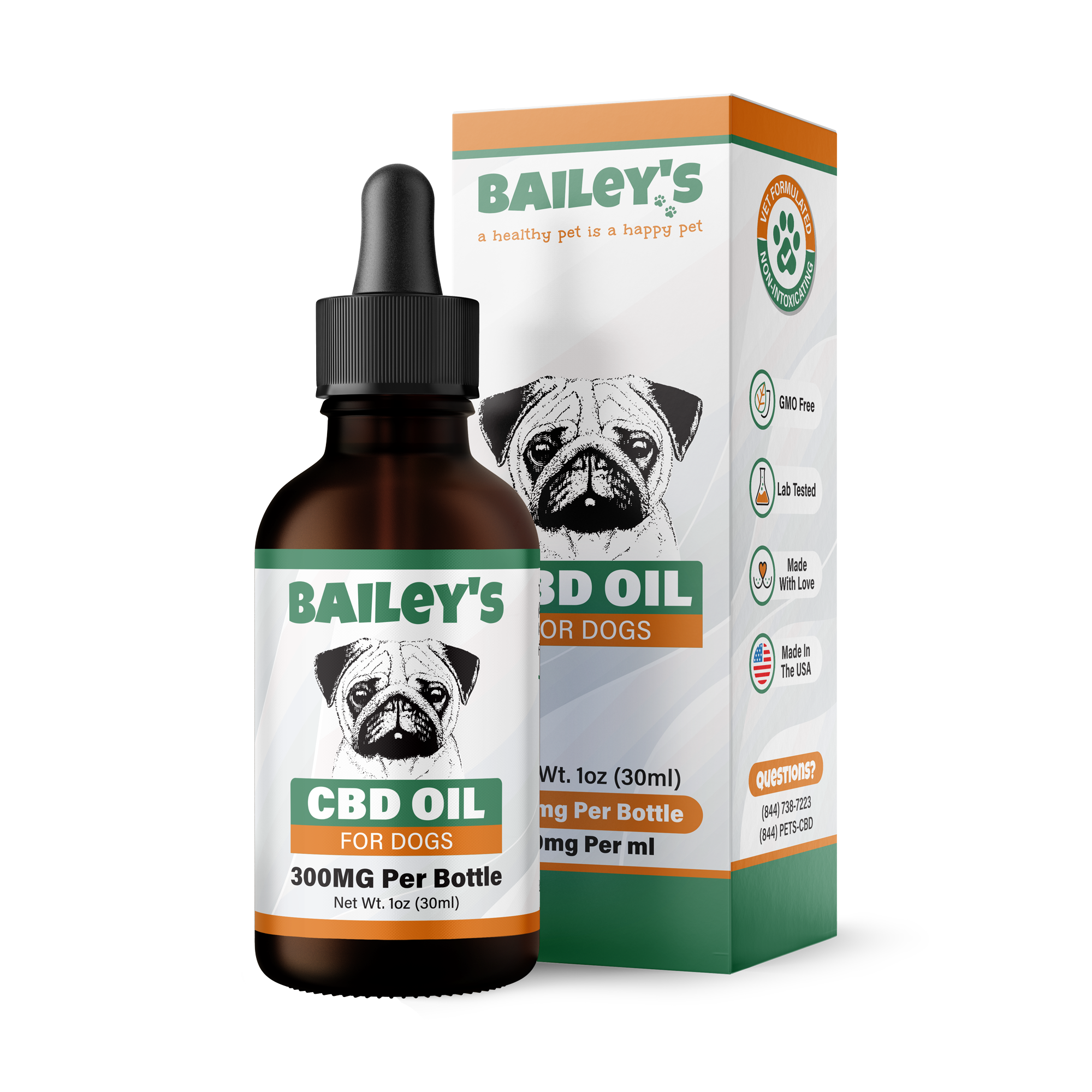
Credit: baileyscbd.com
Potential Risks
Oil on dogs can cause skin irritation and allergic reactions. Ingesting oil may lead to digestive problems. Excessive oil can also make their fur greasy and attract dirt.
Using oil on dogs can bring several potential risks. While oils may offer benefits, they also pose dangers. Dog owners must be aware of these risks to keep their pets safe.Allergic Reactions
Some dogs may have allergic reactions to certain oils. Symptoms include itching, redness, and swelling. In severe cases, dogs might experience difficulty breathing. Always perform a patch test first. Apply a small amount of oil to a small skin area. Wait for 24 hours and observe any reactions. If any signs of an allergy appear, stop using the oil immediately.Overdose Symptoms
Using too much oil can lead to overdose symptoms. These include vomiting, diarrhea, and lethargy. In extreme cases, it might cause organ damage. Always follow the recommended dosage instructions. Consult with a vet before starting any new oil treatments. Regular check-ups can help monitor your dog’s health and detect any issues early. “`Signs Of Oil Benefits
Many dog owners have started using oils to improve their pets’ health. Oils can bring various benefits to your furry friend’s life. These benefits are often visible and can make a significant difference in their daily comfort and appearance.
Shinier Coat
A shinier coat is one of the first signs of oil benefits. Oils like fish oil and coconut oil can enhance the shine of your dog’s fur. They contain essential fatty acids that nourish the skin and hair from within. Regular use of these oils can transform dull fur into a glossy, healthy coat. This not only makes your dog look better but also feel more comfortable.
Reduced Itching
Oils can also help in reducing itching in dogs. Dry skin can cause a lot of discomfort and constant scratching. Applying oils can provide relief from dryness and soothe the skin. Omega-3 fatty acids in oils like fish oil have anti-inflammatory properties. This can reduce the itching and irritation caused by allergies or skin conditions. Your dog will scratch less and feel more at ease.
Homemade Oil Treatments
Homemade oil treatments can be a great way to keep your dog’s coat shiny and healthy. These treatments can help with dry skin, dandruff, and other common issues. Using natural ingredients, you can create effective and safe oil treatments at home.
Diy Recipes
Creating your own oil treatments is simple and budget-friendly. Here are a few easy recipes:
- Coconut Oil and Lavender: Mix 2 tablespoons of coconut oil with 3 drops of lavender oil. This blend helps soothe irritated skin.
- Olive Oil and Chamomile: Combine 2 tablespoons of olive oil with 2 drops of chamomile oil. This mixture is great for moisturizing dry skin.
- Almond Oil and Peppermint: Mix 1 tablespoon of almond oil with 2 drops of peppermint oil. This combination can help with a shiny coat and pleasant smell.
Storage Tips
Proper storage is key to maintaining the effectiveness of your homemade oil treatments. Here are some tips:
- Store oils in dark, glass bottles to protect them from light.
- Keep the bottles in a cool, dry place to avoid heat exposure.
- Label each bottle with the date and ingredients to keep track of freshness.
- Check for any changes in color or smell to ensure the oil is still good.
Following these tips will help keep your homemade oil treatments fresh and effective for your dog’s use.

Credit: www.amazon.com
Frequently Asked Questions
Can I Use Olive Oil On My Dog?
Yes, olive oil is safe for dogs. It helps improve skin and coat health. Use it in moderation.
What Oils Are Good For Dogs’ Skin?
Coconut oil, fish oil, and olive oil are beneficial for dogs’ skin. They help reduce dryness and itching.
How Often Should I Apply Oil To My Dog?
Apply oil to your dog’s skin once or twice a week. Avoid overuse to prevent greasy buildup.
Can Oil Help With My Dog’s Shedding?
Yes, oils like fish oil can reduce shedding. They promote a healthier coat and skin.
Conclusion
Caring for your dog’s skin and coat is essential. Oils can help. They add shine and reduce itching. Always choose oils safe for dogs. Coconut and fish oil are good options. Consult your vet before starting. Your dog deserves the best care.
Regular grooming and a healthy diet work wonders. Keep your furry friend happy and healthy.
Last Updated on April 2, 2026