Choosing the right dog food is crucial for your pet’s health. Not all dog foods are created equal.
As pet owners, we want the best for our furry friends. But with so many options, it’s hard to know what’s good or bad. Quality dog food can boost energy, improve coat health, and extend lifespan. On the other hand, poor choices might lead to health issues, allergies, or digestive problems.
Understanding the differences can be challenging but is essential for your dog’s well-being. This guide will help you navigate the complex world of dog food, offering insight into what makes a dog food good or bad. By the end, you’ll know how to pick the best options for your pet.
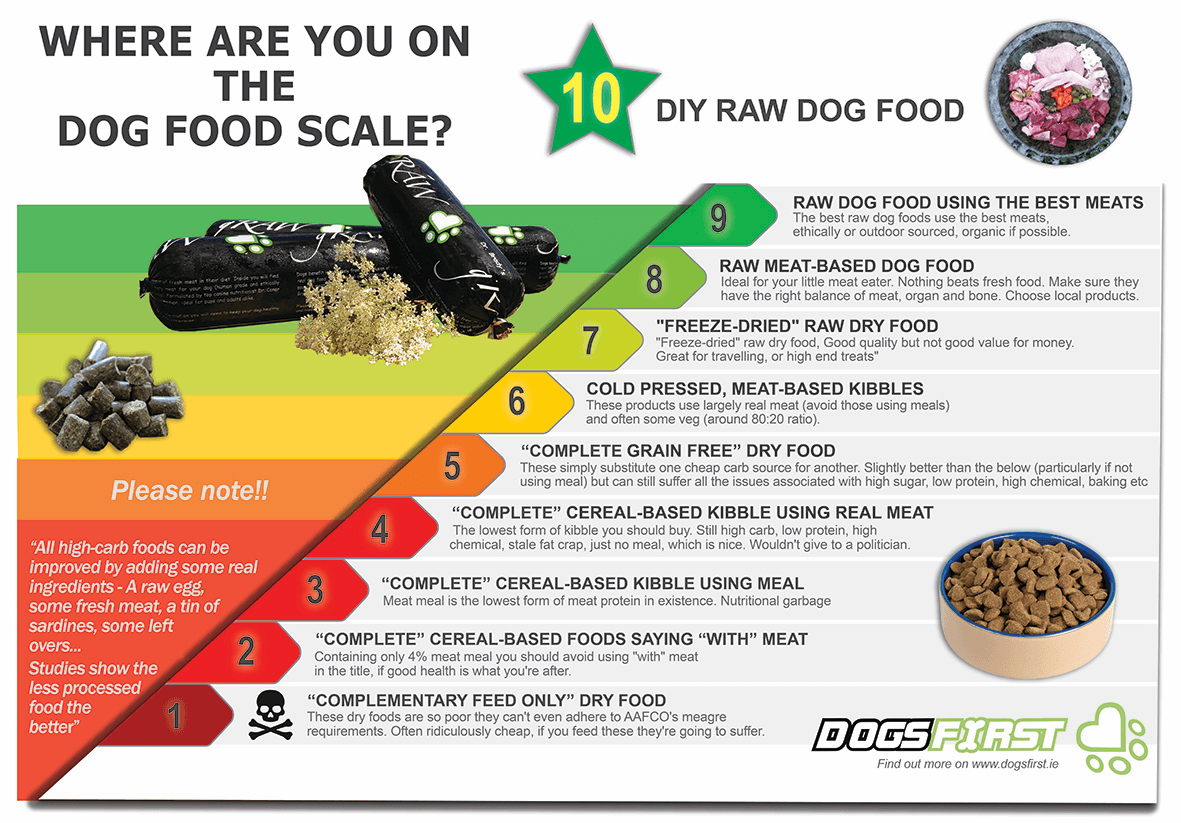
Credit: dogsfirst.ie
Importance Of Dog Food
The importance of dog food cannot be overstated. What we feed our dogs affects their health, energy, and quality of life. Choosing the right food means considering their nutritional needs and health implications. Let’s break it down.
Nutritional Needs
Dogs need a balanced diet. They require proteins, fats, carbohydrates, vitamins, and minerals. Good dog food provides these in the right amounts. Poor-quality food often lacks essential nutrients. This can lead to deficiencies and health problems. Always check the ingredients list. Look for whole foods and natural sources of nutrients.
Health Implications
Good dog food supports overall health. It helps maintain a healthy weight. It keeps their coat shiny and skin healthy. It boosts their immune system. Bad dog food can do the opposite. It can cause obesity, diabetes, and heart problems. Some dogs can develop allergies or digestive issues. The quality of food directly impacts their well-being.
Ingredients To Look For
Choosing the right dog food is essential for your pet’s health. Knowing the ingredients to look for can make a big difference. This section will guide you through the key components. These ingredients ensure your dog gets the best nutrition. Let’s dive into the essential ingredients of good dog food.
High-quality Proteins
Proteins are vital for your dog’s growth and muscle repair. Look for real meat such as chicken, beef, or fish. Avoid food with vague terms like “meat meal” or “by-products.” Good sources of protein should be the first ingredient listed. This ensures your dog gets the necessary amino acids.
Essential Vitamins And Minerals
Vitamins and minerals support your dog’s overall health. Vitamin A, B, C, D, and E are crucial for a strong immune system. Minerals like calcium and phosphorus keep bones and teeth healthy. Check for these nutrients in the ingredient list. A balanced diet with these elements promotes longevity and vitality.
Ingredients To Avoid
Choosing the right dog food is vital for your pet’s health. While there are many options available, it’s essential to know which ingredients to avoid. Some components in dog food can be harmful. Identifying these can help you make better choices for your furry friend.
Artificial Additives
Artificial additives are common in many dog foods. These can include preservatives, colors, and flavors. They serve no nutritional purpose and can cause health issues over time. Here are some artificial additives to avoid:
- BHA (Butylated Hydroxyanisole) – a preservative linked to cancer.
- BHT (Butylated Hydroxytoluene) – another preservative with potential health risks.
- Ethoxyquin – used to prevent fat spoilage, but can cause liver and kidney damage.
- Artificial colors – can lead to allergies and hyperactivity.
- Artificial flavors – may cause digestive issues.
Fillers And By-products
Fillers and by-products are often used to bulk up dog food. They provide little to no nutritional value. Instead, they can lead to obesity and other health problems. Common fillers and by-products include:
- Corn – a cheap filler that many dogs find hard to digest.
- Wheat – another filler that can cause allergies.
- Soy – often used as a protein source but can cause digestive issues.
- Meat by-products – low-quality ingredients that can include parts like beaks and feet.
Here’s a table to summarize the ingredients to avoid:
| Ingredient | Reason to Avoid |
|---|---|
| BHA | Linked to cancer |
| BHT | Potential health risks |
| Ethoxyquin | Causes liver and kidney damage |
| Artificial colors | Leads to allergies and hyperactivity |
| Artificial flavors | May cause digestive issues |
| Corn | Hard to digest |
| Wheat | Causes allergies |
| Soy | Causes digestive issues |
| Meat by-products | Low-quality ingredients |
By avoiding these harmful ingredients, you can ensure a healthier diet for your dog. Make informed choices and prioritize your pet’s well-being.
Credit: www.ksl.com
Types Of Dog Food
Choosing the right food for your dog is crucial. Different types of dog food offer various benefits and drawbacks. Let’s explore the main types of dog food available and their characteristics.
Dry Kibble
Dry kibble is one of the most popular types of dog food. It is convenient, affordable, and has a long shelf life. Many dog owners prefer kibble because it helps in cleaning their dog’s teeth. The crunchiness of dry kibble can reduce tartar buildup. However, it is essential to choose high-quality kibble with the right balance of nutrients.
| Pros | Cons |
|---|---|
| Convenient | May contain fillers |
| Affordable | May be less palatable |
| Long shelf life | Can be dehydrating |
Canned Food
Canned food, also known as wet food, is another popular option. It contains higher moisture content, which can help keep your dog hydrated. Many dogs find canned food more palatable than dry kibble. However, canned food is often more expensive and has a shorter shelf life once opened. It is crucial to store it properly to avoid spoilage.
| Pros | Cons |
|---|---|
| Higher moisture content | More expensive |
| More palatable | Shorter shelf life |
| Easy to digest | Requires proper storage |
Raw Diet
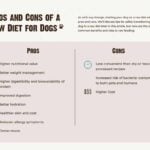
A raw diet consists of uncooked meat, bones, fruits, and vegetables. Proponents of the raw diet argue that it is more natural and closer to what dogs’ ancestors ate. This type of diet can offer higher protein levels and fewer additives. However, preparing a raw diet can be time-consuming and expensive. There is also the risk of bacterial contamination if not handled properly.
| Pros | Cons |
|---|---|
| Higher protein levels | Time-consuming |
| Fewer additives | Expensive |
| More natural | Risk of contamination |
Reading Dog Food Labels
Selecting the right dog food is crucial for your pet’s health. Reading dog food labels can help you make an informed decision. This guide will break down the key components of dog food labels.
Ingredient List
The ingredient list on a dog food label can tell you a lot. Ingredients are listed in order of weight. The first few ingredients are the most important. Look for whole meats like chicken, beef, or fish. Avoid foods with by-products, fillers, or artificial preservatives.
| Ingredients to Look For | Ingredients to Avoid |
|---|---|
| Whole meats (e.g., chicken, beef, fish) | Meat by-products |
| Whole grains (e.g., brown rice, oats) | Fillers (e.g., corn, soy) |
| Vegetables and fruits | Artificial preservatives |
Nutritional Information
Check the nutritional information to ensure your dog gets a balanced diet. Key nutrients to look for include:
- Protein
- Fats
- Carbohydrates
- Vitamins
- Minerals
The AAFCO (Association of American Feed Control Officials) statement is important. It shows the food meets minimum nutritional standards. Look for a statement like “complete and balanced for all life stages.”
By understanding dog food labels, you can choose the best food for your pet. Keep an eye on ingredients and nutritional info to ensure a healthy diet.
Credit: bowwowinsurance.com.au
Common Misconceptions
When choosing dog food, many pet owners encounter various misconceptions. These myths can lead to poor dietary choices for their furry friends. Let’s debunk some of the most common misconceptions regarding dog food.
Grain-free Myth
Many believe that grain-free dog food is always better. This is not necessarily true. Dogs are omnivores and can digest grains. Grains can be a valuable source of nutrients, providing fiber, vitamins, and minerals.
A grain-free diet is only necessary if your dog has a specific allergy or sensitivity to grains. Studies show that grain-free diets may even contribute to heart issues in dogs. Always consult with your veterinarian before switching to a grain-free diet.
Price Equals Quality
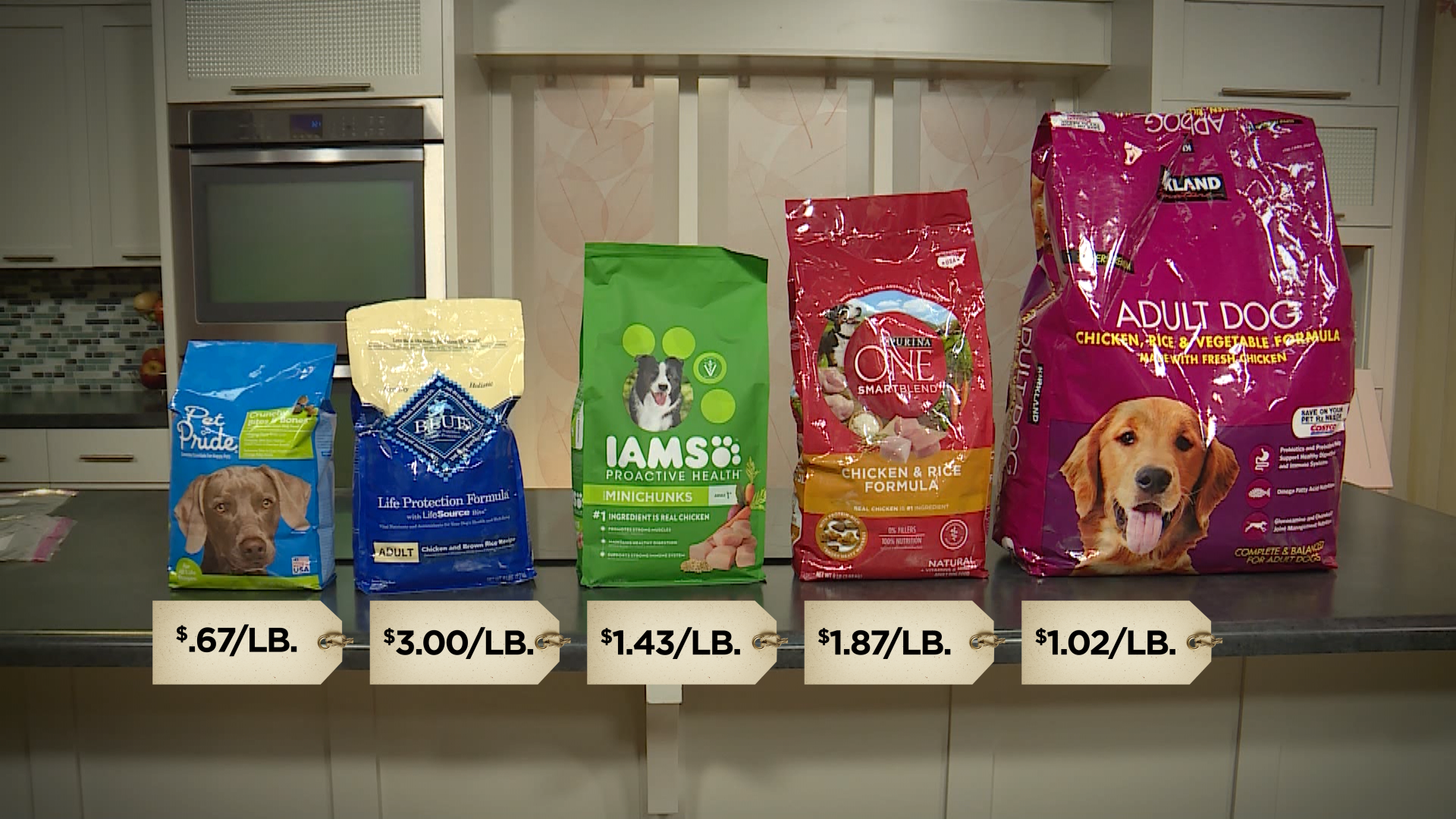
Another widespread misconception is that expensive dog food is always better. While price can reflect quality, it is not a guarantee. Some budget-friendly brands offer high-quality nutrition.
To ensure you’re getting the best for your pet, check the ingredient list. Look for whole proteins like chicken, beef, or fish. Avoid fillers like corn, soy, and artificial additives. Here is a simple table to help you compare:
| Ingredient | High-Quality | Low-Quality |
|---|---|---|
| Proteins | Chicken, Beef, Fish | By-products, Meat Meal |
| Fats | Omega-3, Omega-6 | Animal Fat |
| Carbohydrates | Brown Rice, Sweet Potato | Corn, Soy |
| Additives | Natural Preservatives | Artificial Colors, Flavors |
Remember, the most important thing is to read labels carefully. Don’t be misled by price or packaging.
Identifying Allergies
Identifying allergies in your dog can be challenging. Food allergies are common and can cause discomfort. Understanding the signs can help you choose the right dog food.
Common Allergens
Many dogs are allergic to specific ingredients. Chicken, beef, and dairy are frequent culprits. Wheat and soy can also trigger allergic reactions. Knowing these common allergens helps in selecting safe food for your dog.
Signs And Symptoms
Allergic reactions can manifest in different ways. Watch for itching, especially around the ears and paws. Chronic ear infections are another sign. Gastrointestinal issues like vomiting and diarrhea may also occur. Pay attention to these signs and consult your vet if needed.
Choosing The Right Food
Choosing the right food for your dog is crucial. It affects their health, energy, and longevity. Understanding your dog’s specific needs will help you make the best choice.
Age And Size Considerations
Different ages and sizes require different nutrients. Puppies need food rich in protein and fat for growth. Senior dogs need fewer calories but more fiber.
| Age | Nutritional Needs |
|---|---|
| Puppy | High protein, high fat |
| Adult | Balanced nutrients |
| Senior | Low calories, high fiber |
Small breeds have a faster metabolism. They need more calories per pound than large breeds.
- Small breeds: High-calorie, small kibble
- Large breeds: Joint support, lower calories
Activity Level And Health Needs
Active dogs burn more calories. They need food with higher protein and fat.
Dogs with health issues need special diets. For instance, a dog with kidney problems may need low-protein food.
- Consult your vet for specific health needs.
- Read labels for key ingredients.
- Choose foods with real meat as the first ingredient.
A balanced diet is vital for your dog’s well-being. Make informed choices to ensure your dog lives a healthy life.
Frequently Asked Questions
What Are The Signs Of Bad Dog Food?
Signs of bad dog food include a lack of nutritional information, artificial additives, and low-quality ingredients. If your dog experiences digestive issues, it may be due to bad food.
How To Choose Good Dog Food?
Choose good dog food by checking for high-quality ingredients, a balanced nutritional profile, and the absence of artificial additives. Look for whole meats and vegetables.
Can Bad Dog Food Affect My Dog’s Health?
Yes, bad dog food can lead to health issues like allergies, obesity, and digestive problems. Always ensure your dog eats high-quality food to maintain good health.
What Ingredients Should Be In Good Dog Food?
Good dog food should include whole meats, vegetables, and grains. Avoid artificial preservatives, fillers, and by-products. Look for high protein and balanced nutrition.
Conclusion
Choosing the right dog food impacts your pet’s health. Always read labels carefully. Look for quality ingredients. Avoid harmful additives. Consult your vet for advice. Your dog deserves the best nutrition. Good food promotes long life and happiness. Poor food leads to health issues.
Make informed decisions. Your pet depends on you. Healthy dogs are happy dogs. Prioritize their well-being with proper food choices.
Last Updated on April 10, 2026