Raw dog food has gained popularity among pet owners. But is it the right choice for your dog?
Many dog owners are curious about feeding their pets raw food. This diet includes uncooked meat, bones, fruits, and vegetables. Advocates claim it offers numerous health benefits. They believe it leads to shinier coats, cleaner teeth, and higher energy levels.
Critics, however, raise concerns about safety and nutritional balance. They worry about bacteria and the risks of an unbalanced diet. Deciding on the best diet for your dog is important. Understanding the pros and cons of raw dog food can help you make an informed decision. In this blog post, we will explore the advantages and disadvantages of raw dog food. This will help you weigh the options and decide what’s best for your furry friend.
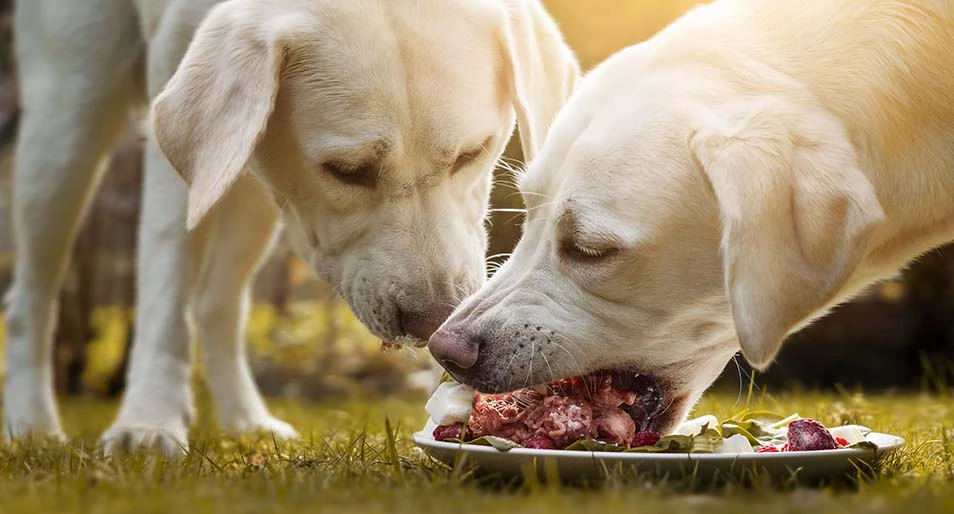
Credit: www.metlifepetinsurance.com
Introduction To Raw Dog Food
Many dog owners are switching to raw dog food. This diet includes uncooked meat, bones, fruits, and vegetables. Supporters believe it is more natural and healthier for dogs.
What Is Raw Dog Food?
Raw dog food is a diet made from uncooked ingredients. It often includes:
- Raw meat
- Raw bones
- Uncooked fruits
- Uncooked vegetables
The idea is to feed dogs what their ancestors ate. Many believe this can lead to better health and vitality.
History And Popularity
The concept of raw dog food is not new. It dates back to the early 1900s. Initially, it was used by breeders and trainers. They believed raw diets improved performance and health.
In recent years, the popularity of raw dog food has grown. Pet owners are more health-conscious now. They seek natural and wholesome diets for their pets. This trend is evident in the rising sales of raw dog food products.
Many raw dog food brands are now available. Pet stores and online platforms offer a variety of options. This makes it easier for dog owners to switch to raw feeding.
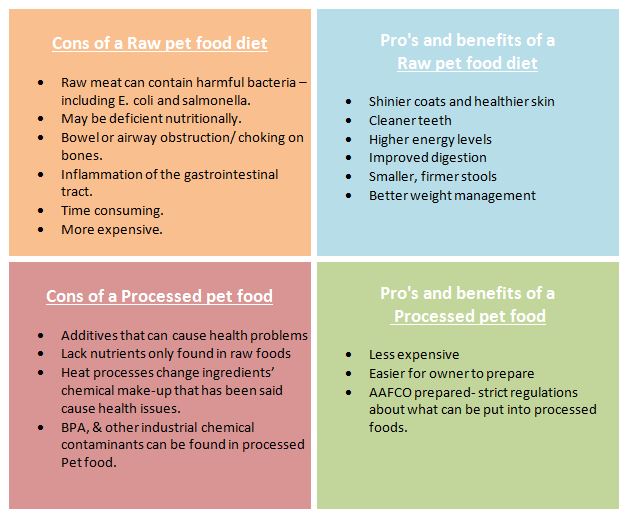
Despite its benefits, raw dog food also has some cons. Understanding both sides can help you make an informed decision.
Benefits Of Raw Dog Food
Feeding your dog a raw food diet can offer many benefits. This includes improved digestion, healthier skin and coat, and increased energy levels. Let’s explore each of these advantages in more detail.
Improved Digestion
Raw dog food can lead to better digestion. Many dogs have sensitive stomachs. Raw food contains natural enzymes. These enzymes help break down food. This makes it easier for dogs to digest. Plus, raw food is free from fillers and artificial ingredients. This means fewer digestive issues and a happier, healthier dog.
Healthier Skin And Coat
A raw diet can improve your dog’s skin and coat. Raw food is rich in essential fatty acids. These fats nourish the skin and promote a shiny coat. Dogs on raw diets often have fewer skin problems. They also shed less and have fewer issues with dry skin. This means less itching and scratching.
Increased Energy Levels
Feeding raw food can boost your dog’s energy. Dogs need protein to stay active. Raw meat is a great source of high-quality protein. It helps build strong muscles and supports overall health. Many pet owners report that their dogs are more energetic and playful on a raw diet.
| Benefit | Description |
|---|---|
| Improved Digestion | Natural enzymes aid digestion and reduce stomach issues. |
| Healthier Skin and Coat | Essential fatty acids promote a shiny coat and healthy skin. |
| Increased Energy Levels | High-quality protein builds strong muscles and boosts energy. |
Switching to a raw diet can have many positive effects. Each dog is different, so monitor their progress and consult with a vet.
Nutritional Aspects
Feeding your dog a raw food diet has both benefits and risks. Understanding the nutritional aspects is key to making an informed choice. This section covers the key nutrients and balanced diet considerations of raw dog food.
Key Nutrients
Raw dog food contains essential nutrients. These include proteins, fats, vitamins, and minerals. Proteins help build and repair muscles. Fats provide energy and support skin health. Vitamins and minerals are vital for overall well-being. Fresh meat, bones, and organs provide these nutrients naturally. Quality raw diets ensure your dog gets what it needs.
Balanced Diet Considerations
A balanced diet is crucial for your dog’s health. Raw dog food must include a variety of ingredients. This ensures all nutritional needs are met. Meat alone does not provide a complete diet. Include organ meats, bones, and vegetables. This mix helps maintain health and prevent deficiencies. Consulting a vet is important. They can guide you in creating a balanced raw diet.
Risks And Concerns
Feeding your dog raw food has become more popular. But there are risks and concerns. Understanding these can help you make the best choice for your pet.
Bacterial Contamination
Raw dog food can contain harmful bacteria. Salmonella and E. coli are common. These bacteria can make your dog sick. They can also spread to humans. It’s important to handle raw food with care. Clean all surfaces and wash your hands after handling.
Nutritional Imbalance
Raw diets may lack essential nutrients. Dogs need a balanced diet for good health. Raw food might miss vitamins and minerals. This can lead to health issues over time. Consulting a vet is crucial. They can guide you on proper nutrition.
Choking Hazards
Raw food often includes bones. Bones can be dangerous. They can splinter and cause injuries. They can also be a choking hazard. Always supervise your dog while eating. Ensure the bones are appropriate for their size.
Cost And Accessibility
Cost and accessibility are crucial factors for dog owners considering raw dog food. While raw dog food offers several benefits, potential buyers often wonder about its affordability and availability. This section will explore these aspects in detail.
Price Comparison
Raw dog food can be more expensive than traditional kibble. The price varies depending on the ingredients. Premium cuts of meat and organic produce increase the cost. Additionally, pre-packaged raw dog food often has higher prices. Some dog owners choose to prepare raw meals at home to save money. This requires time and effort but can be cost-effective.
Availability In Stores
Raw dog food is not as widely available as kibble. Many pet stores carry a limited selection. Larger pet stores may have more options. Specialty stores or local butchers may offer raw dog food. Online retailers provide another source. They often have a broader range of products. Delivery services make it easier to access raw dog food. Yet, shipping costs can add up.
Preparation And Storage
Feeding your dog raw food involves specific preparation and storage steps. Ensuring the food is safe and nutritious is essential. Proper handling and storage can prevent foodborne illnesses and maintain food quality.
Sourcing Ingredients
Choose high-quality, fresh ingredients for your dog’s raw food. Select meats from reputable sources to ensure safety. Consider organic and grass-fed options for added nutrients.
Safe Handling Practices
Always wash your hands before and after handling raw food. Use separate cutting boards and utensils for raw meat. Clean surfaces thoroughly with hot, soapy water.
Store raw food in the refrigerator or freezer promptly. Thaw frozen food in the fridge, not at room temperature. This reduces the risk of bacterial growth.
Storage Tips
Store raw dog food in airtight containers. Label containers with the date to track freshness. Keep the refrigerator at 40°F (4°C) or below.
Freeze portions you won’t use within three days. Use freezer-safe containers or bags to prevent freezer burn. Thaw only what you need for one meal.
Veterinarian Perspectives
Veterinarians have diverse opinions on raw dog food. Their views often stem from scientific studies, personal experiences, and client feedback. Understanding these perspectives helps pet owners make informed decisions.
Supportive Views
Some veterinarians support raw diets. They believe raw food can offer various benefits for dogs. These veterinarians often mention the following advantages:
- Improved digestion: Raw food can be easier for some dogs to digest.
- Healthier coat: A raw diet can lead to a shinier coat.
- Increased energy levels: Dogs may become more active and energetic.
- Better dental health: Chewing raw bones can help clean teeth.
Supportive veterinarians suggest that a raw diet may mimic a dog’s natural eating habits. They argue that raw food can provide essential nutrients without preservatives or fillers.
Critical Opinions
On the other hand, some veterinarians have concerns about raw diets. They often highlight the potential risks and downsides:
- Bacterial contamination: Raw food can contain harmful bacteria like Salmonella and E. coli.
- Imbalanced nutrition: Raw diets may lack essential nutrients if not properly formulated.
- Risk of choking: Bones in raw food can pose a choking hazard or cause internal injuries.
- Increased cost: Feeding raw can be more expensive than traditional kibble.
Critics argue that commercial dog food is carefully balanced and regulated. They believe it offers a safer and more convenient option for pet owners.
:strip_icc()/GettyImages-1255263637-9e6885ca432c4c9494822baa787b4b62.jpg)
Credit: www.thesprucepets.com
Transitioning To Raw Food
Transitioning to raw food for your dog can seem daunting. But with the right steps, it can be a smooth process. Raw food offers many benefits, like improved coat and skin health. But it is important to make the transition carefully to avoid digestive issues.
Gradual Introduction
Start by mixing a small amount of raw food with your dog’s current food. Gradually increase the raw food portion each day. This helps your dog’s digestive system adjust to the new diet.
It is important not to rush this process. Sudden changes in diet can cause stomach upset. Always ensure the raw food is fresh and stored properly.
Monitoring Your Dog’s Health
Keep a close eye on your dog’s health during the transition. Look for signs of discomfort, such as diarrhea or vomiting. If any issues arise, slow down the transition process.
Regular vet check-ups are also crucial. Your vet can provide advice tailored to your dog’s specific needs. They can also help you adjust the diet as needed for optimal health.
Monitor your dog’s weight and energy levels. A healthy dog on a raw diet should have a shiny coat, clear eyes, and good energy.
Credit: www.vetsupply.com.au
Frequently Asked Questions
Is Raw Dog Food Safe For Pets?
Raw dog food can be safe when handled properly. It’s important to source high-quality ingredients and maintain hygiene. Consult your vet before switching to raw food.
What Are The Benefits Of Raw Dog Food?
Raw dog food can improve digestion, skin health, and coat condition. It also provides higher energy levels and cleaner teeth.
Are There Risks To Feeding Raw Dog Food?
Yes, risks include bacterial contamination and nutritional imbalances. Always ensure proper handling and consult a veterinarian to mitigate these risks.
How Do I Transition My Dog To Raw Food?
Transition gradually over 7-10 days. Mix increasing amounts of raw food with their current diet. Monitor for any adverse reactions.
Conclusion
Choosing raw dog food has its benefits and drawbacks. It offers natural nutrition and can improve coat health. Yet, it may pose risks like bacterial infections and nutritional imbalance. Always consult with a vet before making changes. Weigh the pros and cons carefully.
Your dog’s health and safety come first. Proper planning ensures a balanced diet. Keep learning and stay informed. Your furry friend’s well-being depends on it.
Last Updated on April 9, 2026