
Last Updated on June 16, 2026
Have you ever noticed tiny, itchy bites on your skin and wondered if your dog could be the cause? Fleas are more than just a nuisance for your pet—they can easily jump from your dog to you, causing discomfort and even health issues.
If you’re worried about whether you can get fleas from your dog, this article will clear up the mystery. By the time you finish reading, you’ll know how fleas spread, how to spot them early, and what steps you can take to protect both yourself and your furry friend.
Don’t let fleas take over your home—let’s get to the bottom of this together.
How Fleas Infest Dogs
Fleas are tiny pests that can cause big problems for dogs. They jump onto dogs and start feeding on their blood. This causes itching and discomfort. Fleas reproduce quickly and can spread to your home.
Understanding how fleas infest dogs helps you stop them early. Knowing their life cycle, favorite spots on dogs, and signs of fleas is important. This knowledge helps protect your dog and home from fleas.
Flea Life Cycle
Fleas go through four stages: egg, larva, pupa, and adult. Adult fleas live on your dog and lay eggs on its fur. These eggs fall off into the dog’s environment, like bedding and carpets.
Larvae hatch from eggs and grow in dark, warm places. They eat organic debris before turning into pupae. Pupae wait until they sense a host nearby, then emerge as adults. This cycle can take weeks to months.
Common Flea Habitats On Dogs
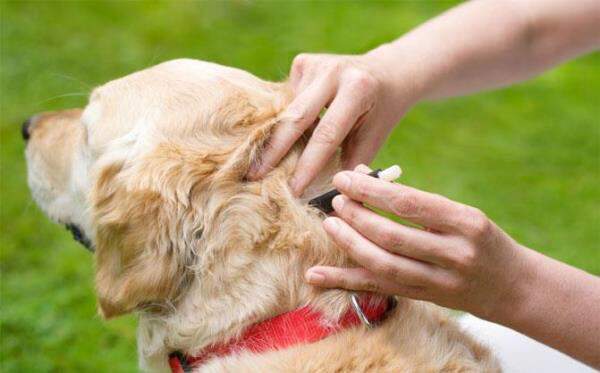
Fleas prefer warm, hidden places on dogs. They often gather around the neck, behind the ears, and under the legs. These spots offer easy access to skin and blood.
Fleas hide in thick fur and near the tail base. Check these areas carefully during grooming. Fleas avoid open areas and stick to places with less movement.
Signs Your Dog Has Fleas
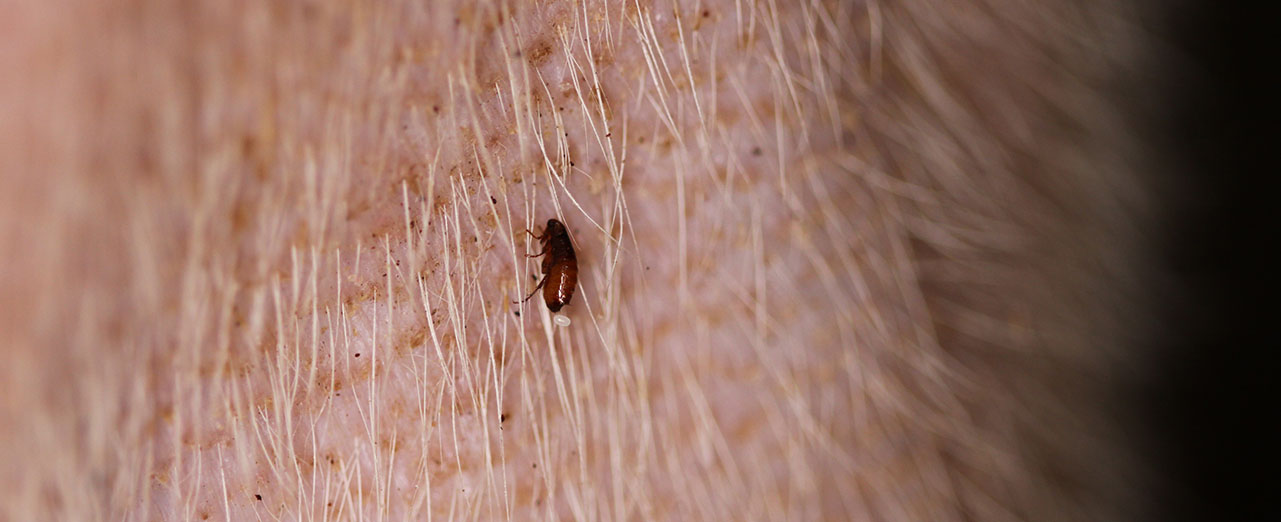
Dogs with fleas often scratch or bite their skin. You might see red bumps or scabs from scratching. Flea dirt, small black specks, can appear on the dog’s skin or fur.
Look for restless behavior and hair loss in some areas. Dogs may lick certain spots more than usual. Early detection helps prevent a full flea infestation quickly.
Credit: www.adamspetcare.com
Can Fleas Transfer To Humans
Fleas are tiny pests that often live on dogs. People often wonder if fleas can jump from dogs to humans. The answer is yes, fleas can transfer to humans. These pests look for warm bodies to feed on, including people. Understanding how fleas affect humans helps keep your family safe.
Flea Bites On People
Flea bites usually appear as small, red bumps on the skin. They often itch and can be uncomfortable. Bites mostly happen around the ankles and legs. Fleas may bite other parts of the body too. The bites can cause redness and swelling.
Risks Of Flea Transmission
Fleas can carry diseases that affect humans. Some fleas carry bacteria or parasites. These can cause infections or allergic reactions. Scratching flea bites may lead to skin infections. Treating flea bites early reduces health risks.
Who Is Most Vulnerable
Children and elderly people are more at risk from flea bites. People with weak immune systems can get sicker from flea bites. Pets that spend time outdoors bring fleas inside. Households with multiple pets have higher flea risks. Protecting pets lowers risk for everyone.
Preventing Flea Infestations
Preventing flea infestations is key to keeping your dog and home comfortable. Fleas cause itching and can lead to other health issues. Taking steps early helps avoid a bigger problem later. Focus on treating your dog, cleaning your home, and controlling fleas outdoors.
Effective Flea Treatments For Dogs
Choose flea treatments made for dogs. Many options include topical drops, collars, and oral pills. These products kill fleas and stop eggs from hatching. Use treatments regularly, as directed by your vet. Check your dog often for signs of fleas. Early action makes a big difference.
Home Cleaning Tips
Clean your home to remove flea eggs and larvae. Vacuum floors, carpets, and furniture daily. Wash pet bedding in hot water every week. Dispose of vacuum bags or empty canisters outside. Use flea sprays or powders safe for indoor use. Cleaning stops fleas from growing inside your home.
Outdoor Flea Control
Keep your yard free from flea habitats. Mow grass regularly and remove leaf piles. Use outdoor flea treatments in shaded areas. Avoid overwatering, as fleas like moist places. Create a dry, clean space for your dog to play. Outdoor control reduces the chance of fleas returning.
Credit: nexgard.com.au
Dealing With A Flea Outbreak
Dealing with a flea outbreak can be stressful for both you and your dog. Fleas multiply quickly and cause itching and discomfort. Acting fast helps stop the problem from getting worse.
Taking the right steps protects your dog and your home from these pests.
Immediate Steps To Take
Start by giving your dog a thorough bath using flea shampoo. This kills adult fleas on your pet. Use a flea comb to remove eggs and larvae from the fur. Wash all bedding, blankets, and toys in hot water. Vacuum carpets, floors, and furniture carefully to remove fleas and eggs. Dispose of vacuum bags or empty the canister outside to prevent reinfestation.
When To See A Veterinarian
Visit a vet if your dog shows severe itching or skin damage. Fleas can cause allergic reactions and infections. The vet can prescribe stronger flea treatments or medication. They also check for other health issues caused by fleas. Follow the vet’s advice to protect your dog effectively.
Long-term Flea Management
Use monthly flea preventatives recommended by your vet. Keep your dog’s living area clean and dry. Regularly wash pet bedding and vacuum your home. Check your dog often for signs of fleas. Early detection stops outbreaks before they start. Consistency is key to keeping fleas away for good.

Credit: www.nurture.vet
Frequently Asked Questions
Can Dogs Transmit Fleas To Humans?
Yes, dogs can transmit fleas to humans. Fleas jump from infested pets to people, causing bites and itching. However, fleas prefer animal hosts and don’t usually live long on humans.
How Do I Know If My Dog Has Fleas?
Look for excessive scratching, red skin, or small black flea dirt on your dog’s fur. Fleas are tiny, fast-moving insects visible on close inspection.
Can Fleas Live Without A Dog?
Fleas can survive for weeks without a host by hiding in carpets or bedding. They need blood meals to reproduce but can survive short periods off animals.
What’s The Best Way To Prevent Dog Fleas?
Regular use of flea preventatives like topical treatments or collars can stop flea infestations. Keep your dog’s environment clean and vacuum frequently to remove flea eggs.
Conclusion
Dogs can carry fleas, and those fleas may bite you. Fleas jump quickly from pets to humans. Keeping your dog clean helps reduce flea problems. Regular flea treatments protect both your dog and home. Watch for signs like itching or small bites.
Acting fast stops fleas from spreading further. Understanding fleas helps you protect your family. Stay alert and take simple steps to keep fleas away. A flea-free dog means a happier, healthier home.