
Last Updated on June 10, 2026
Are fleas making your home uncomfortable for you and your pets? You might have heard that lemon juice can help get rid of these pesky bugs.
But does lemon juice really kill fleas, or is it just a myth? If you’re looking for a safe and natural way to protect your family and furry friends, it’s important to know the truth. Keep reading to discover how lemon juice works against fleas, what it can and can’t do, and the best ways to keep your space flea-free.
Your peace of mind—and your pet’s comfort—depend on it.

Credit: www.wikihow.com
How Fleas Affect Pets And Homes
Fleas cause many problems for pets and families. These tiny bugs bite animals and people, making life hard. Fleas spread quickly and can live in carpets, furniture, and bedding. They make pets itchy and uncomfortable, and homes can get infested fast. Understanding flea problems helps protect pets and keep homes clean.
Pets with fleas often scratch and bite their skin. This can lead to sores and infections. Fleas also lay eggs in the home, which hatch and grow into more fleas. A small flea problem can turn into a big one without care.
Common Flea Problems
Pets with fleas scratch a lot. This causes hair loss and red spots on the skin. Fleas also cause pets to feel restless and unhappy. Fleas can bite people too, causing itchy bumps. Homes with fleas may have bugs hiding in carpets and furniture. Flea eggs and larvae are hard to see but cause new fleas to appear.
Health Risks From Fleas
Fleas can cause serious health problems for pets. Pets may get allergic reactions to flea bites, leading to skin problems. Fleas can also carry tapeworms that infect pets if swallowed. In rare cases, fleas spread diseases like flea-borne typhus. For people, flea bites can cause itching and skin infections. Pets and people both need protection from fleas to stay healthy.
Natural Flea Remedies
Natural flea remedies offer a gentle way to control fleas without harsh chemicals. Many people prefer these methods to protect pets and the environment. These remedies use common household items and natural ingredients.
They can reduce flea problems safely and are easy to apply at home. Understanding popular home treatments and their benefits helps in choosing the right solution.
Popular Home Treatments
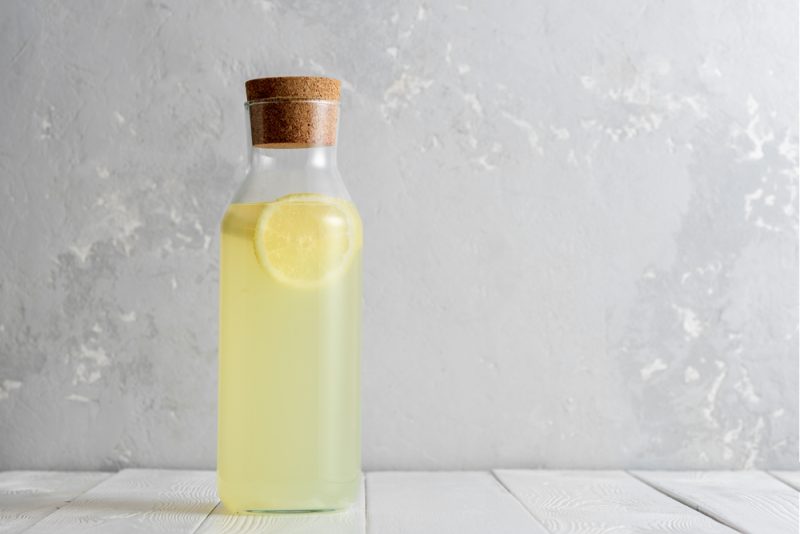
Lemon juice is a well-known natural flea remedy. It contains citric acid, which can repel fleas. You can make a spray by soaking lemon slices in water overnight. Spray this on your pet’s fur and bedding.
Other popular treatments include apple cider vinegar and essential oils like lavender or eucalyptus. These natural items can help keep fleas away. Bathing pets with a mild soap and brushing regularly also removes fleas.
Benefits Of Natural Solutions
Natural flea remedies are safe for pets and children. They avoid the harsh effects of chemical sprays and powders. These solutions are usually affordable and easy to find.
They do not harm the environment or cause pollution. Using natural remedies can also reduce the risk of fleas becoming resistant to treatments. Natural methods support a healthy home and pet life.
Lemon Juice As A Flea Remedy
Lemon juice is a popular home remedy for fleas on pets and in the home. Many people use it because it is natural and easy to find. The idea is that lemon juice can help repel or kill fleas without harsh chemicals.
This section explains how lemon juice works on fleas and what science says about its effectiveness.
How Lemon Juice Works On Fleas
Lemon juice contains citric acid, which can irritate fleas. The strong smell may also drive fleas away from pets or areas. People often make a lemon spray by boiling lemon slices in water and then using the liquid on pets or carpets. This spray can help keep fleas from settling.
The acidity of lemon juice can disrupt flea skin and make the environment less friendly to them. It is a simple, natural way to try to reduce flea problems.
Scientific Evidence And Studies
Few scientific studies have tested lemon juice directly on fleas. Most evidence comes from personal experience and traditional use. Some research shows that citrus oils can repel insects, but lemon juice alone is less studied.
Experts often suggest lemon juice as a mild repellent, not a strong insect killer. It may help prevent fleas but might not remove a heavy flea infestation. More research is needed to prove lemon juice’s full effect on fleas.
Applying Lemon Juice Safely
Applying lemon juice to control fleas requires care and the right steps. Lemon juice can irritate skin if used incorrectly. It is important to prepare and apply it safely for pets and home areas. Follow simple guidelines to protect your pet and household while using lemon juice.
Preparation Tips
Start with fresh lemons for the best results. Slice one lemon thinly, including the peel. Place the slices in a pot and cover with boiling water. Let it steep overnight to release oils. Strain the liquid into a spray bottle. Avoid using undiluted lemon juice on pets to prevent burns. Test a small skin area first to check for reactions.
Methods To Use On Pets And Areas
Spray the lemon solution lightly on your pet’s fur. Avoid the eyes, nose, and mouth. Use a cloth to apply around the neck and tail base. For home areas, spray lemon juice on carpets, pet bedding, and furniture. Let it dry naturally for a fresh scent and flea deterrent. Repeat applications weekly for best effects. Do not overuse as lemon can dry skin and surfaces.
Limitations And Precautions
Lemon juice is often suggested as a natural way to kill fleas. It has some benefits but also clear limits. Understanding these limits helps keep pets safe.
Lemon juice is acidic and can irritate skin or eyes. It may not kill all fleas or stop infestations fully. Use it carefully and watch your pet’s reaction closely.
Potential Side Effects For Pets
Lemon juice can cause skin irritation. Pets with sensitive skin may develop redness or itching. Avoid applying lemon juice on open wounds or raw skin.
Some pets may smell lemon juice as unpleasant. It could cause stress or discomfort. Lemon juice near the eyes can cause burning or watering.
When To Avoid Using Lemon Juice
Do not use lemon juice on puppies or very young pets. Their skin is more delicate and sensitive. Avoid using lemon juice if your pet has allergies or skin problems.
Avoid lemon juice if your pet licks the treated area. Ingesting lemon juice can upset their stomach. If fleas are severe, seek professional pest control instead.

Credit: getfurlife.com
Other Effective Natural Flea Treatments
Natural flea treatments offer safe ways to manage pests without harsh chemicals. Many options work well alongside lemon juice. These methods help protect pets and homes from fleas.
Essential Oils And Herbs
Essential oils like lavender, eucalyptus, and peppermint repel fleas. They are safe when diluted properly for pets. Herbal sprays made from rosemary or neem also keep fleas away. These oils and herbs disrupt flea scents and behaviors. Regular use can reduce flea infestations effectively.
Dietary And Environmental Changes
Good pet diet boosts flea resistance. Foods rich in omega-3 fatty acids improve skin health. A healthy coat makes it harder for fleas to survive. Cleaning pet bedding and vacuuming floors remove flea eggs and larvae. Keeping lawns trimmed and dry reduces flea habitats. Together, these changes limit flea problems naturally.
Combining Lemon Juice With Flea Control
Combining lemon juice with flea control methods can help manage these pests safely. Lemon juice has natural properties that repel fleas. Using it alongside other flea treatments can improve results. This approach targets fleas from different angles.
Applying lemon juice alone might not fully stop fleas. Pairing it with commercial products can strengthen your flea-fighting plan. This mix can reduce flea numbers and protect pets better.
Integrating With Commercial Products
Use lemon juice as a natural spray on pet bedding and carpets. Avoid applying lemon juice directly on pets without checking safety first. Combine lemon juice with vet-approved flea shampoos or spot treatments. This combination helps reduce fleas on your pet’s fur and home.
Commercial flea products often contain stronger chemicals. Lemon juice can act as a mild, natural barrier. It may help keep fleas away between treatments. This method supports ongoing flea control without heavy chemical use.
Maintaining Long-term Flea Prevention
Regular cleaning of pet areas is essential. Spray lemon juice in areas pets frequent to discourage fleas. Wash pet bedding often in hot water. Keep your yard clean and free of debris where fleas hide.
Use lemon juice treatments weekly for steady flea prevention. Continue using vet-recommended flea medications for pets. This routine helps stop fleas from coming back. Long-term care is key to a flea-free home.
Credit: www.catster.com
Frequently Asked Questions
Does Lemon Juice Really Kill Fleas On Pets?
Lemon juice can repel fleas but may not completely kill them. Its acidity helps deter fleas naturally. However, it is less effective than commercial treatments and should be used cautiously on pets to avoid skin irritation.
How Do You Use Lemon Juice To Get Rid Of Fleas?
To use lemon juice for fleas, dilute it with water and spray on pet fur or infested areas. Let it sit for a few hours before rinsing. Repeat regularly for best results, but avoid contact with pets’ eyes and open wounds.
Is Lemon Juice Safe For Treating Fleas On Pets?
Lemon juice is generally safe in diluted form but may cause skin irritation in some pets. Always do a patch test before full application. Consult a veterinarian before using lemon juice, especially on sensitive or allergic animals.
Can Lemon Juice Replace Flea Medication Effectively?
Lemon juice is not a reliable substitute for flea medication. It may help reduce fleas but lacks the potency of vet-approved treatments. Use lemon juice as a supplementary measure, not as the primary flea control method.
Conclusion
Lemon juice may help repel fleas but it does not kill them all. Fleas are tough and need stronger treatments. Use lemon juice as a part of a flea control plan. Clean your home and pet regularly to reduce fleas.
Consult a vet for safe and effective flea products. Remember, no single method works perfectly. Stay patient and keep trying different ways to protect your pets. Flea problems take time to solve. Keep your pet happy and healthy.