Last Updated on June 7, 2026
Is your dog still itching even after you treated them for fleas? It’s frustrating to see your furry friend uncomfortable when you thought the problem was solved.
You might be wondering why the itching won’t stop and what you can do to help your dog feel better fast. Keep reading—because understanding the reasons behind this persistent itch can make all the difference for your pet’s comfort and your peace of mind.
Why Dogs Itch After Flea Treatment
Dogs may continue to itch even after flea treatment. This can confuse pet owners. Understanding why this happens helps manage your dog’s comfort. Several reasons explain persistent itching after fleas are gone.
Residual Flea Allergies
Some dogs are allergic to flea bites. Even one bite can cause itching. Flea treatments kill fleas quickly. But leftover flea saliva in the skin still causes itching. This allergic reaction can last days or weeks. The dog’s immune system reacts, causing redness and itchiness.
Skin Irritation From Treatment
Flea treatments contain chemicals. These chemicals can irritate sensitive skin. Some dogs react to the treatment itself. Signs include redness, dryness, or rash. This irritation may cause your dog to scratch. Using a different product might reduce irritation. Always follow product instructions carefully.
Secondary Skin Infections
Scratching can break the skin. Broken skin leads to infections. Bacteria and yeast take advantage of open wounds. Infections cause more itching and discomfort. Your dog may need antibiotics or special shampoo. Seeing a vet helps identify infections early.
Other Parasites And Allergens
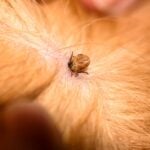
Fleas are not the only cause of itching. Ticks, mites, or lice can also irritate skin. Environmental allergens like pollen or dust may cause itching too. Treating fleas alone might not solve the problem. A thorough check-up can find other causes. This ensures your dog gets proper care.
Credit: myfurbabies.co.uk
Signs To Watch For After Treatment
After treating your dog for fleas, watch closely for certain signs. Some symptoms may show the treatment is working. Others might mean your dog needs extra care. Knowing what to look for helps keep your dog safe and healthy.
Persistent Scratching And Biting
Your dog may keep scratching or biting after treatment. This can mean fleas are still present. Or it could be a reaction to the medicine. If the itching lasts more than a few days, check with your vet.
Redness And Swelling
Look for red or swollen skin. This may show irritation or an allergic reaction. Flea bites can cause this too. If the redness spreads or gets worse, seek veterinary advice quickly.
Hair Loss Spots
Bald patches may appear on your dog’s skin. This can result from scratching or biting. Flea allergies can cause hair loss. Notice if the spots grow larger or new ones form.
Behavioral Changes
Your dog might seem restless or tired. Changes in mood or eating habits can happen. Flea discomfort often affects behavior. Watch for signs of stress or pain and inform your vet.
Quick Relief Tips For Itchy Dogs
Dogs may still itch after flea treatment due to skin irritation or allergies. Quick relief helps calm your dog and stops constant scratching. These simple tips soothe your dog’s skin fast and promote healing.
Bathing With Soothing Shampoos
Use a gentle shampoo designed for itchy skin. Oatmeal or aloe vera shampoos calm redness and dryness. Bathing removes flea dirt and soothes irritation. Avoid harsh soaps that can make itching worse. Rinse well to keep skin clean and soft.
Using Anti-itch Sprays And Creams
Sprays and creams reduce itching and inflammation quickly. Look for products with hydrocortisone or natural ingredients like chamomile. Apply directly to itchy spots. These treatments cool the skin and ease discomfort. Follow package instructions to avoid overuse.
Applying Cold Compresses
Cold compresses numb itchy areas and reduce swelling. Wrap ice in a cloth and hold on the skin for a few minutes. This method calms inflammation and lessens the urge to scratch. Repeat several times a day as needed for relief.
Providing Omega-3 Supplements
Omega-3 fatty acids improve skin health from inside. These supplements reduce dryness and itching over time. Add fish oil or flaxseed oil to your dog’s diet. Always check with your vet before starting supplements. Healthy skin helps fight future irritations.
When To See A Veterinarian
Knowing when to see a veterinarian is crucial if your dog still itches after flea treatment. Itching can signal more than just fleas. It might mean your dog needs more care. Quick action can prevent problems from getting worse.
Signs Of Severe Allergic Reaction
Watch for swelling on your dog’s face or paws. Notice if your dog has trouble breathing or is very tired. These signs mean your dog might have a bad allergy to the flea treatment. Visit the vet immediately to avoid serious harm.
Ongoing Itching Beyond Treatment
If your dog keeps scratching days after treatment, see the vet. Fleas might not be the only cause. Your dog could have other skin problems or allergies. A vet can find the real cause and suggest the right treatment.
Possible Secondary Infections
Scratching can cause wounds and infections on your dog’s skin. Look for redness, pus, or bad smell. These signs show your dog might have a skin infection. A vet can treat infections with special medicines to help your dog heal.
Need For Prescription Medications
Some dogs need stronger medicines than over-the-counter flea treatments. Prescription drugs can stop itching and fight infections. Only a vet can prescribe these medicines safely. Schedule a vet visit to get the right care for your dog.
Preventing Future Flea-related Itching
Stopping your dog from itching after flea treatment needs more than just medicine. Preventing future flea-related itching means keeping fleas away and protecting your dog’s skin. This keeps your dog happy and healthy.
Regular Flea Control Measures
Use flea preventives regularly. Choose products your vet recommends. Apply treatments on time. Check your dog often for signs of fleas. Early action stops big problems.
Maintaining A Clean Environment
Clean your home and yard often. Vacuum carpets and furniture well. Wash your dog’s bedding weekly. Fleas lay eggs in these places. A clean space lowers flea chances.
Routine Skin And Coat Care
Brush your dog’s coat daily. This removes dirt and loose fur. Bath your dog with flea shampoo sometimes. Healthy skin fights flea irritation better. Keep the coat shiny and clean.
Monitoring For Early Signs
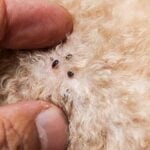
Watch your dog for itching or scratching. Look for red or irritated skin. Check for flea dirt or small bugs. Early detection helps treat fleas fast. Stay alert to avoid flare-ups.

Credit: nilds.gov.ng
Credit: texaspetcompany.com
Frequently Asked Questions
Why Is My Dog Still Itching After Flea Treatment?
Your dog may still itch due to flea allergy dermatitis, irritation from flea bites, or leftover flea eggs hatching. Some treatments take time to fully stop itching. Consult your vet if itching persists beyond a week after treatment.
How Long Does Flea Treatment Take To Stop Itching?
Flea treatments usually start working within 24-48 hours. However, itching may continue for up to two weeks due to allergic reactions or skin healing. Patience and proper follow-up care are essential to relieve your dog’s discomfort.
Can Other Skin Issues Cause Itching After Flea Treatment?
Yes, skin infections, allergies, or mites can cause itching even after flea treatment. If your dog’s itching does not improve, a vet checkup is necessary to diagnose other possible causes and provide appropriate treatment.
Should I Use Additional Products To Stop My Dog’s Itching?
Only use additional products recommended by your vet. Some shampoos or topical treatments can soothe itching. Avoid overusing products, as they may irritate your dog’s skin further or cause allergic reactions.
Conclusion
Persistent itching after flea treatment can be frustrating for pet owners. Sometimes fleas hide well or the treatment may need repeating. Skin allergies or infections might also cause itching. Watch your dog closely and keep the environment clean. Consult a veterinarian if itching lasts more than a week.
Early care helps your dog feel better fast. Patience and proper treatment will ease your dog’s discomfort soon.