Last Updated on June 9, 2026
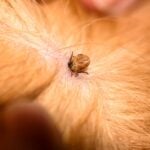
Are you worried about tiny pests hiding in your dog’s fur? Fleas on dogs are more than just a nuisance—they can cause itching, discomfort, and even health problems for your furry friend.
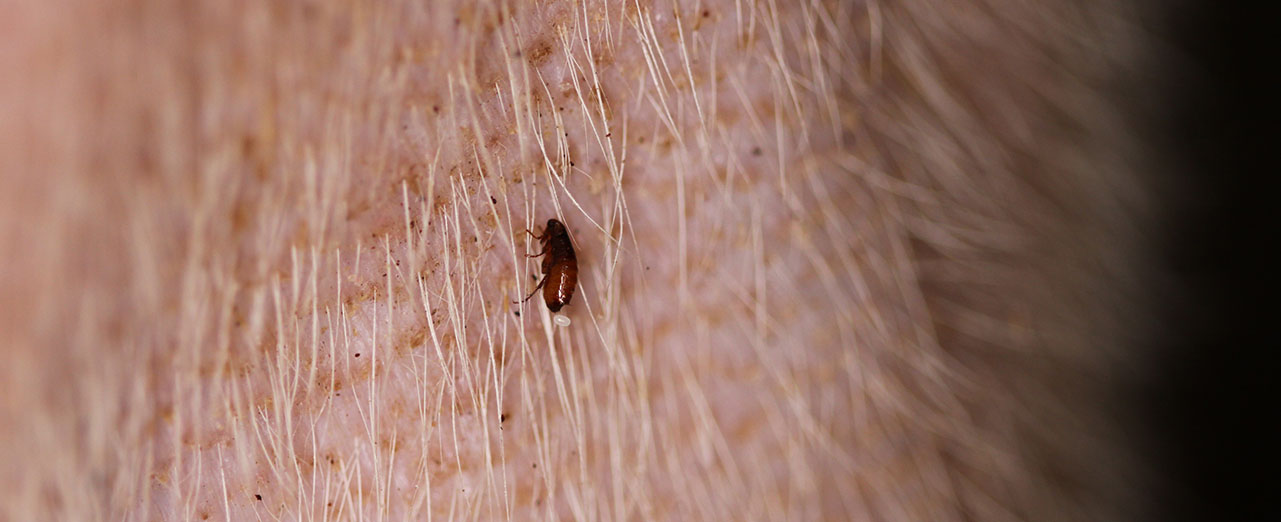
If you’ve noticed your dog scratching more than usual or see small dark bugs moving on their skin, it’s time to take action. You’ll discover how to spot fleas early, what risks they pose, and the best ways to get rid of them quickly.
Keep reading to protect your dog and bring back their happy, healthy coat.
Credit: nexgard.com.au
Signs Of Flea Infestation
Fleas on dogs cause discomfort and health issues. Early detection helps prevent serious problems. Knowing the signs of flea infestation keeps your dog healthy and happy.
Common Symptoms In Dogs
Dogs with fleas often scratch or bite their skin. You might see redness or small bumps on their body. Hair loss can occur in spots where fleas bite. Some dogs develop scabs or irritated skin. These signs show your dog may have fleas.
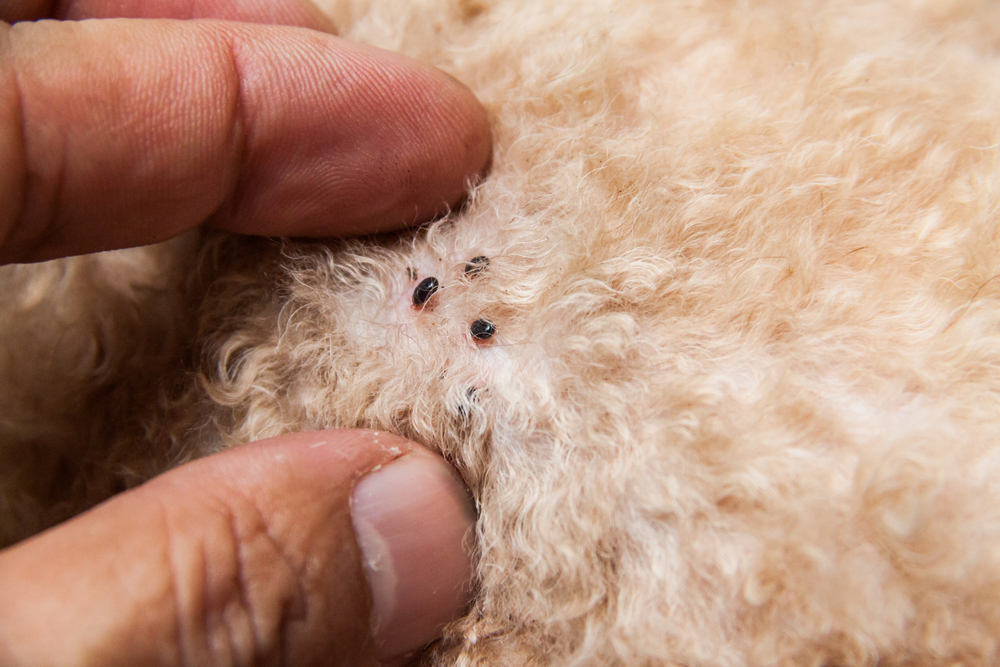
How To Spot Flea Dirt
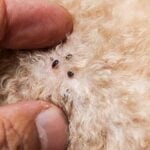
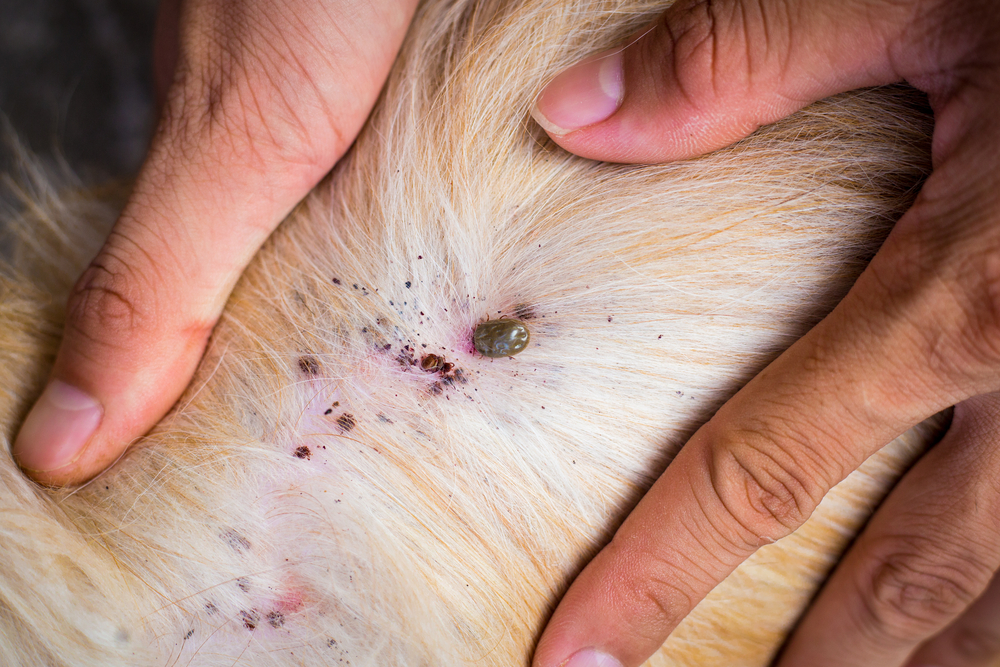
Flea dirt looks like tiny black specks on your dog’s fur. It is flea feces, made of digested blood. To check, place some specks on a wet paper towel. If the specks turn reddish-brown, it is flea dirt. This confirms your dog has fleas.
Behavioral Changes To Watch For
A dog with fleas may act restless or agitated. It may scratch more than usual or bite itself. Some dogs may become less active or seem tired. Watch for sudden changes in behavior. These can indicate flea infestation.
Causes And Risks
Fleas on dogs cause many problems. Knowing the causes and risks helps protect your pet. Fleas spread quickly and cause discomfort. They can harm your dog’s health in many ways.
How Dogs Get Fleas
Fleas jump from other animals or the environment. Dogs catch fleas by close contact with other pets. Fleas live in grass, bushes, and dirt. Your dog can pick up fleas during walks or play. Fleas can also hide in your home.
Health Risks From Fleas
Fleas cause itching and skin irritation. Constant scratching leads to wounds and infections. Fleas can spread diseases like tapeworms and anemia. Small dogs and puppies are at higher risk. Flea bites may trigger allergic reactions in some dogs.
Seasonal Factors Influencing Flea Activity
Warm weather boosts flea activity and breeding. Fleas thrive in spring, summer, and fall. Cold winters slow flea growth but don’t kill them all. Indoor heating helps fleas survive winter months. Year-round prevention is important to keep dogs safe.
Immediate Flea Removal Methods
Dealing with fleas on dogs requires quick action. Immediate flea removal helps stop itching and discomfort fast. Removing fleas reduces the risk of infections and skin problems. Several easy methods work well for quick flea removal. Choose the best approach based on your dog’s size and coat type.
Using Flea Combs Effectively
Flea combs are a simple tool to remove fleas quickly. Use a fine-toothed comb to catch fleas and eggs. Comb your dog’s fur slowly, focusing on the neck and tail areas. Dip the comb in soapy water after each pass. This kills fleas and prevents them from jumping back.
Comb your dog for at least 10 minutes. Be gentle to avoid hurting your dog’s skin. Repeat daily until no fleas appear on the comb. Flea combing works best combined with other flea treatments.
Bathing Your Dog Safely
Bathing helps remove fleas from your dog’s fur. Use lukewarm water and a gentle dog shampoo. Avoid shampoos with harsh chemicals that irritate the skin. Wet your dog completely, then lather shampoo well.
Leave the shampoo on for five minutes to kill fleas. Rinse thoroughly to remove all soap and fleas. Dry your dog with a towel or low heat dryer. Bathing may need repeating after a week to catch new fleas.
Home Remedies That Work
Some home remedies can help control fleas naturally. Apple cider vinegar diluted with water works as a spray. Spray lightly on your dog’s coat, avoiding eyes and nose. Lemon water is another option; soak lemon slices overnight and spray the liquid.
These remedies repel fleas but do not kill them instantly. Use them alongside combing or bathing for better results. Always watch your dog for allergic reactions when using home treatments.
Preventive Treatments
Preventing fleas on dogs is easier than treating an infestation. Preventive treatments keep fleas away before they cause problems. These treatments come in several forms. Each type offers unique benefits. Choosing the right one depends on your dog’s needs and lifestyle.
Topical Flea Treatments
Topical treatments are liquids applied to the dog’s skin. Usually placed between the shoulder blades. They spread over the body to kill fleas. These treatments work fast and last for weeks. Many products also protect against ticks and other pests. Safe for most dogs when used as directed.
Oral Medications
Oral flea medicines come in pill or chew form. Dogs take them by mouth, making it easy to give. These medications kill fleas quickly after they bite. Effects last from one month up to three months. Some also stop flea eggs from hatching. Vet approval is important before starting any oral medicine.
Flea Collars And Their Benefits
Flea collars offer long-lasting protection. They release chemicals that repel or kill fleas. Many collars work for several months. Some protect against ticks and mosquitoes too. Collars are easy to use and cost-effective. Choose collars that fit well and are safe for your dog.
Home And Yard Protection
Protecting your home and yard is key to keeping fleas away from your dog. Fleas can hide in carpets, furniture, and outdoor spaces. They multiply fast and cause discomfort for your pet. Taking steps to clean and maintain these areas helps stop fleas before they spread.
Cleaning And Vacuuming Tips
Vacuum floors, carpets, and furniture often. Use a vacuum with strong suction to pick up flea eggs and larvae. Empty the vacuum bag or canister outside immediately. Wash pet bedding in hot water every week. This kills fleas and their eggs. Clean under furniture and along baseboards thoroughly.
Treating Your Home Environment
Use flea sprays or foggers designed for indoor use. Follow instructions carefully to avoid harm to pets and family. Treat carpets, rugs, and upholstery where fleas hide. Repeat treatment as recommended to break the flea life cycle. Keep pets away during treatment and until the area is dry.
Yard Maintenance To Reduce Fleas
Keep your yard tidy by mowing the lawn regularly. Remove leaves, grass clippings, and debris where fleas breed. Trim bushes and trees to let sunlight reach the ground. Fleas thrive in dark, moist places. Use outdoor flea control products on shaded areas and places your dog visits often.
Credit: lebanonanimalhospital.com
Choosing The Right Flea Control Products
Choosing the right flea control products for your dog is important. The right product keeps your dog safe and comfortable. It also helps control and prevent flea infestations effectively. There are many options available, so understanding key factors helps you make a good choice.
Factors To Consider
Consider your dog’s age, weight, and health before selecting a product. Some flea treatments are not safe for puppies or older dogs. Check if your dog has allergies or skin issues. Choose a product that matches your dog’s lifestyle. For example, active dogs may need longer-lasting solutions. Always read the instructions to ensure proper use.
Natural Vs Chemical Options
Natural flea control products use herbal ingredients and oils. They are gentle but may take longer to work. Chemical options often act faster and last longer. Some chemicals can be harsh or cause side effects. Choose natural products for mild infestations or sensitive dogs. Use chemical treatments for severe flea problems or quick relief.
Consulting Your Veterinarian
Your veterinarian knows your dog’s health best. They can recommend the safest and most effective flea control. Share your dog’s medical history and any concerns. Your vet can also advise on product combinations if needed. Regular check-ups help catch flea issues early and prevent problems.
Long-term Flea Management
Long-term flea management is essential to keep your dog healthy and comfortable. Fleas can cause itching, allergies, and even infections if left unchecked. A steady plan helps control these pests and prevents future infestations. Consistent care and attention to your dog’s environment make a big difference.
Regular Grooming Routines
Brushing your dog often helps spot fleas early. Use a fine-toothed flea comb to check for flea dirt or eggs. Bathing your dog with flea-control shampoo removes adult fleas and soothes itchy skin. Grooming also strengthens your bond with your pet. Make grooming a part of your daily or weekly routine.
Monitoring Your Dog’s Health
Watch your dog for signs of flea problems. Scratching, biting, or hair loss can signal fleas. Check your dog’s skin regularly for redness or bumps. Keep an eye on behavior changes like restlessness or irritability. Early detection helps stop fleas before they spread or cause harm.
Seasonal Flea Prevention Strategies
Fleas are more active in warm months but can survive year-round indoors. Apply flea preventatives year-round, especially in spring and summer. Clean your dog’s bedding and vacuum floors often to remove flea eggs. Treat your yard to reduce flea populations outside. Consistency in prevention lowers the chance of reinfestation.
Credit: elpasoanimalhospital.com
Frequently Asked Questions
What Are Common Signs Of Fleas On Dogs?
Common signs include constant scratching, red skin, and flea dirt. Dogs may also have hair loss and restlessness. Fleas can cause allergic reactions, leading to severe itching and discomfort.
How Do Dogs Get Fleas?
Dogs get fleas from other animals or environments like parks and kennels. Fleas jump onto dogs from infested areas. Fleas thrive in warm, humid conditions, making outdoor exposure risky.
Can Fleas Harm My Dog’s Health?
Yes, fleas can cause skin infections, anemia, and allergic reactions. Heavy infestations may lead to serious health problems. Fleas can also transmit tapeworms to dogs.
What Is The Best Flea Treatment For Dogs?
Topical treatments, oral medications, and flea collars are effective. Consult a vet to choose the safest and most suitable option. Regular treatment prevents infestations and protects your dog.
Conclusion
Fleas cause discomfort and health problems for dogs. Regular checks help catch fleas early. Use safe treatments to keep your dog flea-free. Clean your home to stop fleas from spreading. Healthy dogs are happier and more active. Taking action today protects your pet tomorrow.
Stay alert and keep your dog safe. Flea control is part of good pet care. Small efforts make a big difference. Keep your dog comfortable and flea-free always.