Last Updated on June 12, 2026
Finding fleas on your puppy can be stressful and worrying. You want your furry friend to be happy, healthy, and itch-free.
But how do you get rid of those tiny pests quickly and safely? If you’re dealing with fleas right now, this guide is made just for you. You’ll learn simple, effective steps to protect your puppy and keep those pesky bugs away for good.
Keep reading—you and your puppy deserve relief starting today.
Spotting Fleas On Puppies
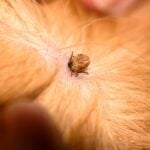
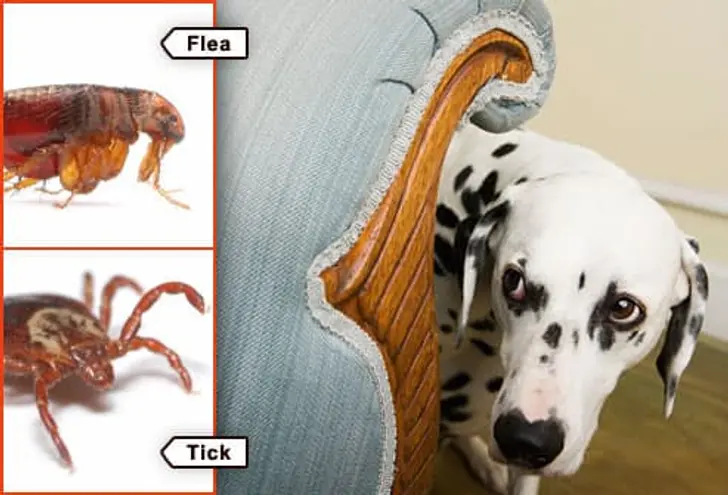
Spotting fleas on puppies early is very important. Fleas can cause itching and discomfort. They can also lead to skin infections and other health problems. Knowing how to spot fleas helps protect your puppy quickly. It makes treatment easier and faster.
Common Signs Of Fleas
Fleas cause your puppy to scratch a lot. You may see your puppy biting its skin. Red bumps or small scabs might appear on the skin. Tiny black specks, called flea dirt, can be found on fur. Fleas move fast and are hard to catch. Watch for restless behavior and constant licking.
Areas To Check On Your Puppy
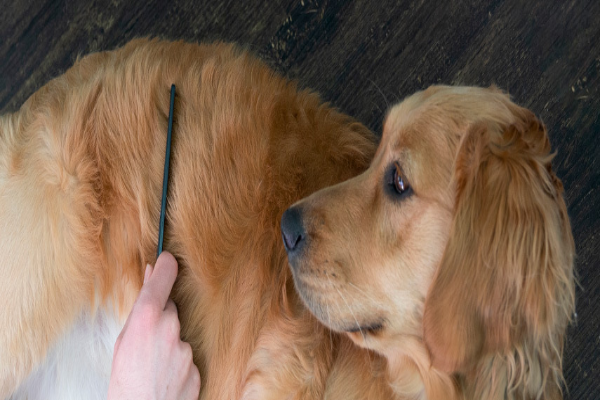
Focus on warm and hidden spots on the puppy. Check behind the ears and around the neck. Look under the legs and near the tail base. Fleas like to stay close to the skin. Use a fine-toothed comb to inspect the fur. Comb through the coat slowly and carefully. Wipe the comb on a white cloth to spot flea dirt.
Credit: www.pawlicy.com
Safe Flea Removal Methods
Removing fleas from a puppy safely is very important. Puppies have delicate skin and need gentle care. Harsh chemicals or rough methods can hurt them. Use safe flea removal methods to protect your puppy’s health. These methods help remove fleas without causing pain or stress.
Using Flea Combs
A flea comb is a small, fine-toothed comb made for pets. It helps remove fleas and flea dirt from the puppy’s fur. Comb your puppy’s coat carefully, starting from the neck down to the tail. Dip the comb in soapy water after each pass. This kills the fleas caught in the comb. Repeat daily until you see fewer fleas.
Bathing With Flea Shampoo
Choose a flea shampoo made specifically for puppies. These shampoos kill fleas but are gentle on sensitive skin. Wet your puppy’s fur with warm water. Apply shampoo and lather well, avoiding eyes and ears. Leave the shampoo on for a few minutes to work. Rinse thoroughly with warm water to remove all shampoo. Dry your puppy softly with a towel. Bathing this way helps reduce flea numbers quickly.
Natural Remedies That Work
Natural remedies can help fight fleas without chemicals. Use a mixture of water and apple cider vinegar as a spray. Spray lightly on your puppy’s coat, avoiding the face. This makes the skin less attractive to fleas. Another method uses diluted lemon juice as a rinse after a bath. These remedies are safe and easy to try. Always check your puppy’s skin for irritation after using them.
Preventing Future Infestations
Preventing future flea infestations is key to keeping your puppy happy and healthy. Fleas can cause itching, discomfort, and even illness. By taking simple steps, you can protect your puppy from these pests. Consistency in care helps stop fleas from returning. Focus on grooming, using preventatives, and cleaning your puppy’s space.
Regular Grooming Tips
Brush your puppy daily. This helps spot fleas early. Use a flea comb to remove any bugs or eggs. Check behind ears, around the neck, and near the tail. Bathe your puppy regularly with a mild shampoo. This keeps skin clean and less inviting to fleas. Grooming also strengthens your bond with your puppy.
Effective Flea Preventatives
Choose a vet-recommended flea treatment. Options include spot-on drops, collars, and oral pills. Apply treatments exactly as directed. These products kill fleas and stop eggs from hatching. Keep your puppy on a regular schedule. Preventatives work best when used before fleas appear. Talk to your vet about the safest options for your puppy’s age and size.
Cleaning Your Puppy’s Environment
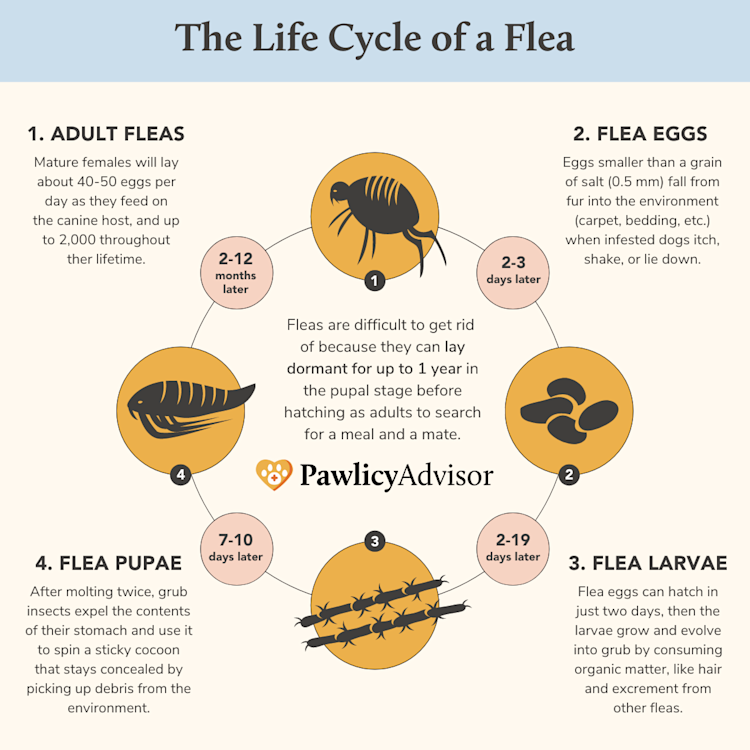
Fleas live in carpets, bedding, and furniture. Wash your puppy’s bedding weekly in hot water. Vacuum floors and furniture often. Dispose of vacuum bags or empty canisters outside. Use flea sprays or powders on carpets if needed. Keep your yard tidy by mowing grass and removing debris. A clean environment helps break the flea life cycle.
Credit: www.webmd.com
When To See A Veterinarian
Knowing when to see a veterinarian is important for your puppy’s health. Fleas can cause mild irritation or serious health problems. Early treatment helps avoid bigger issues. Some signs need professional care right away. Watch your puppy closely for these signs.
Signs Of Severe Infestation
Heavy scratching or biting at the skin shows discomfort. Red, swollen, or infected skin means fleas have caused damage. Hair loss in patches can signal a flea problem. Your puppy may seem weak or tired. Pale gums might mean anemia from blood loss. Small black specks on fur are flea dirt. If you see any of these signs, visit a vet quickly.
Treatment Options Vets Recommend
Veterinarians offer safe flea treatments for puppies. They may use special shampoos or spot-on medicines. Oral medications help kill fleas fast. Your vet can suggest flea collars that repel pests. Sometimes, treating your home is needed to stop fleas. Your vet will create a plan that fits your puppy’s needs. Follow their advice closely to keep fleas away.
Credit: mosquitojoe.com
Frequently Asked Questions
How Can I Safely Remove Fleas From My Puppy?
Use a flea comb daily to remove fleas and eggs. Bathe your puppy with a vet-approved flea shampoo. Always follow product instructions and consult your vet for safe treatments.
What Home Remedies Help Get Fleas Off Puppies?
Home remedies like diluted apple cider vinegar or lemon spray can repel fleas. However, these are not always effective. Consult your vet before using any home treatments.
When Should I See A Vet For Flea Treatment?
Visit a vet if fleas cause severe itching, skin infections, or if your puppy is very young or sick. Professional advice ensures safe and effective flea control.
Can Flea Collars Protect Puppies From Fleas?
Flea collars can help prevent infestations but may not eliminate existing fleas. Choose collars designed for puppies and monitor for any allergic reactions.
Conclusion
Getting fleas off a puppy takes patience and care. Use gentle treatments safe for young dogs. Clean your home to stop fleas from returning. Check your puppy often to catch fleas early. A healthy puppy feels happy and comfortable. Keep up with flea prevention to protect your pet.
Small steps make a big difference in flea control. Your puppy deserves a flea-free life every day.