Last Updated on June 7, 2026
Flea bites can turn your day from comfortable to itchy and uncomfortable in no time. If you’ve ever felt those tiny, red bumps that just won’t stop itching, you know how frustrating they can be.
But don’t worry—you don’t have to suffer in silence. Understanding how to treat flea bites on your skin quickly and effectively can bring you relief and prevent further irritation. You’ll discover simple, practical steps to soothe your skin and stop the itch before it takes over your day.
Keep reading to find out exactly what you need to do to feel better fast.
Identifying Flea Bites
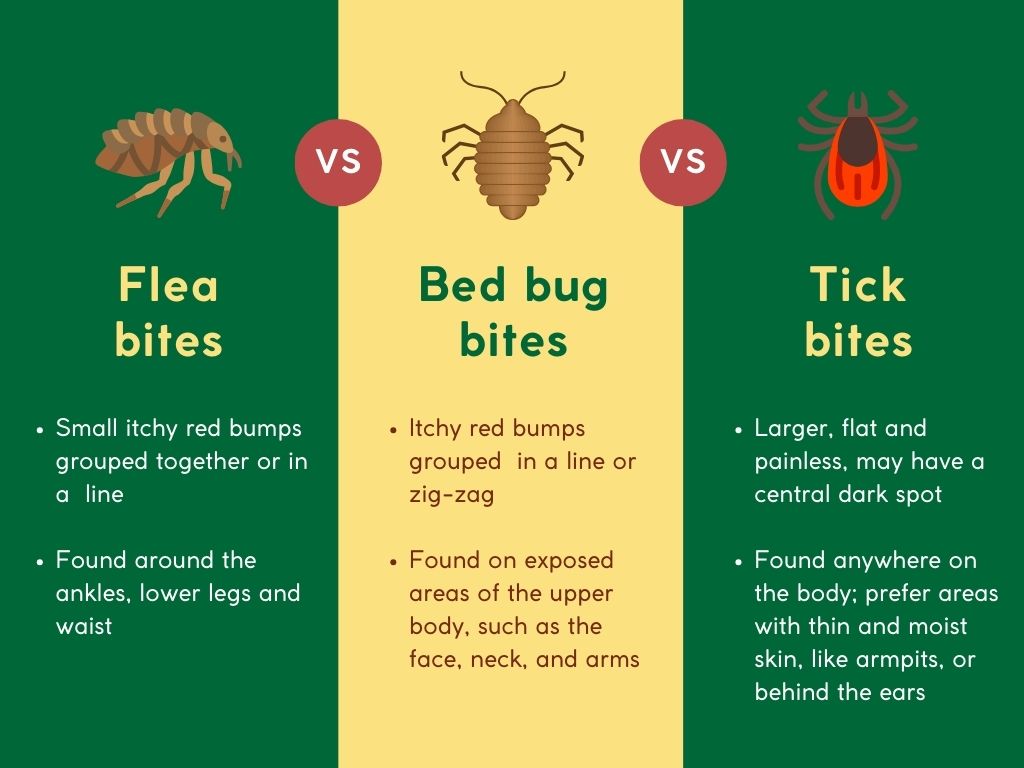
Flea bites cause small, itchy red spots on the skin. They often appear in groups or clusters. Knowing how to identify flea bites helps treat them quickly. It also prevents further bites and skin irritation.
Common Symptoms
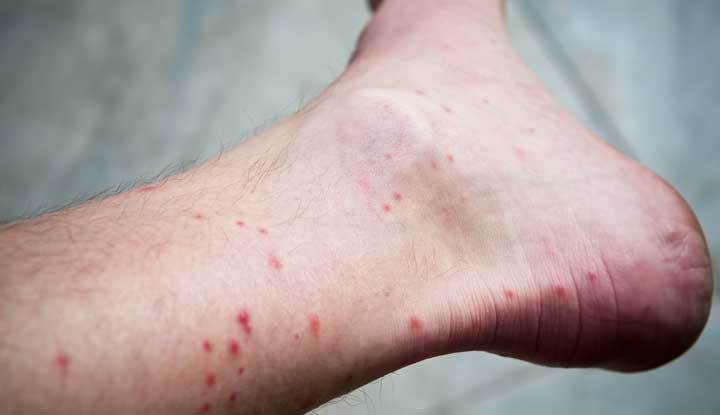
Flea bites look like tiny red bumps. They usually have a red halo around the bite. The bites can cause intense itching or a burning feeling. They often appear on feet, ankles, or legs. Sometimes, flea bites cause small blisters or hives. Scratching the bites may lead to infection or scabs.
Difference From Other Insect Bites
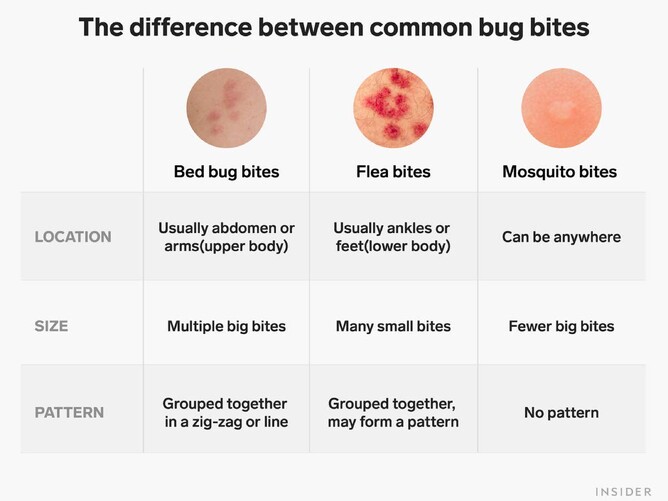
Flea bites differ from mosquito bites in size and pattern. Flea bites are smaller and often in clusters. Mosquito bites are larger and usually alone. Flea bites appear mostly on lower legs and feet. Bed bug bites often form a straight line. Flea bites cause more intense itching than some other bites. Noticing the bite pattern helps identify the insect.
Credit: www.danscarpetcare.co.nz
Immediate First Aid Steps
Flea bites cause itching and discomfort. Acting fast helps reduce pain and swelling. Follow these first steps to ease symptoms and prevent infection.
Cleaning The Affected Area
Wash the bite area with mild soap and warm water. This removes dirt and germs. Avoid scrubbing hard to prevent skin damage. Pat dry with a clean towel after washing.
Applying Cold Compress
Use a cold compress or ice pack wrapped in cloth. Apply it to the bite for 10 minutes. Cold reduces swelling and numbs the itch. Repeat every hour for relief.
Over-the-counter Remedies
Flea bites can cause itching and discomfort. Over-the-counter remedies help ease these symptoms quickly. These products are easy to find at pharmacies or stores. Using them properly can reduce itching and swelling fast.
Topical Anti-itch Creams
Topical creams are applied directly to flea bites. They reduce itching and calm the skin. Look for creams with ingredients like hydrocortisone or calamine. These help soothe irritation and stop scratching urges. Apply the cream a few times daily. Avoid using too much to prevent skin problems.
Oral Antihistamines
Oral antihistamines help control allergic reactions from flea bites. They reduce itching and swelling inside the body. You can buy these medicines without a prescription. Take the recommended dose as directed on the package. They are useful for severe itching or multiple bites. Drink plenty of water when taking antihistamines.
Credit: my.clevelandclinic.org
Natural Relief Options
Natural relief options can help soothe flea bites without harsh chemicals. These remedies calm itching and reduce redness. They also support skin healing safely. Many people prefer natural treatments for sensitive skin or mild reactions.
Aloe Vera And Coconut Oil
Aloe vera gel cools the skin and eases itching. It has anti-inflammatory properties that reduce swelling. Apply pure aloe vera directly to flea bites for quick relief. Coconut oil moisturizes and protects irritated skin. It also contains natural antibacterial agents. Use coconut oil after aloe vera for extra soothing and healing.
Essential Oils For Soothing
Essential oils like lavender and tea tree help calm flea bite discomfort. Lavender oil reduces itching and redness. Tea tree oil fights bacteria and prevents infection. Always dilute essential oils with a carrier oil before use. Apply gently on the bite area to avoid irritation. These oils provide natural comfort and promote faster healing.
Preventing Infection
Flea bites can cause itching and irritation. This can lead to infection if not treated carefully. Preventing infection is key to healing quickly and avoiding complications. Taking simple steps helps protect the skin and keeps it healthy.
Avoiding Scratching
Scratching flea bites can break the skin. This allows bacteria to enter and cause infection. Keep your hands away from the bites. Use a cold compress or anti-itch cream instead. Cover the bites with a clean bandage if needed. This stops you from scratching without thinking.
Keeping The Area Clean And Dry
Wash flea bites with mild soap and water. Do this gently to avoid irritating the skin. Pat the area dry with a clean towel. Moist skin can attract germs and cause infection. Change any dressings regularly to keep the bites dry. Clean skin heals faster and lowers infection risk.
When To Seek Medical Help
Flea bites usually cause mild irritation that goes away on its own. Most people can treat flea bites at home with simple remedies. Sometimes, bites cause serious problems. Knowing when to seek medical help keeps you safe and healthy.
Signs Of Allergic Reaction
Watch for swelling beyond the bite area. Notice if the skin becomes red and hot. Look for hives or a rash spreading quickly. Breathing trouble or tightness in the chest needs urgent care. Feeling dizzy or faint means immediate medical attention is necessary.
Persistent Or Worsening Symptoms
Bites that do not heal in a week need a doctor’s check. Increasing pain or pus signals infection. Fever or chills after bites also require medical help. Severe itching that disrupts sleep must be treated professionally. Do not ignore symptoms that get worse over time.
Preventing Future Flea Bites
Preventing future flea bites is key to staying comfortable and healthy. Fleas thrive on pets and in the home. Stopping them early helps avoid bites on humans. Focus on pets and the environment to keep fleas away. This approach reduces the chance of flea bites returning.
Treating Pets For Fleas
Pets are the main source of fleas in most homes. Regular flea treatment keeps pets free from these pests. Use flea shampoos, collars, or spot-on treatments. Follow your veterinarian’s advice for the best products. Check pets often for signs of fleas. Early treatment stops fleas from spreading to your home.
Home And Yard Flea Control
Fleas can hide in carpets, bedding, and furniture. Clean your home frequently to remove flea eggs and larvae. Vacuum carpets and floors daily. Wash pet bedding in hot water weekly. Treat your yard to reduce fleas outside. Use flea sprays or powders safe for pets and children. Keep grass trimmed and remove debris where fleas hide.
Credit: killem.com.sg
Frequently Asked Questions
What Are Common Symptoms Of Flea Bites On Humans?
Flea bites usually cause red, itchy bumps, often in clusters. They commonly appear on ankles and legs. Some people may develop allergic reactions, causing swelling or blisters. Symptoms typically appear within hours of the bite and can last several days.
How Can I Relieve Itching From Flea Bites?
To relieve itching, apply an over-the-counter anti-itch cream or calamine lotion. Cold compresses can also reduce swelling and soothe the skin. Avoid scratching to prevent infection. Taking oral antihistamines may help if itching is severe.
When Should I See A Doctor For Flea Bites?
See a doctor if bites become infected, showing increased redness, pus, or pain. Seek medical advice if you have an allergic reaction, such as difficulty breathing or swelling. Persistent or worsening symptoms also warrant professional evaluation.
How Can I Prevent Flea Bites On Humans?
Prevent flea bites by keeping pets treated with flea control products. Regularly clean and vacuum your home, especially pet areas. Avoid walking barefoot in grassy or infested areas. Wearing long pants and socks outdoors can also reduce exposure.
Conclusion
Treating flea bites quickly helps stop itching and swelling. Clean the area gently with soap and water. Apply a cold compress to reduce redness. Use over-the-counter creams to soothe discomfort. Avoid scratching to prevent infection and scarring. Keep your home and pets flea-free to stop bites.
Watch for signs of allergic reactions or infection. Seek medical advice if symptoms worsen or last long. Taking these steps keeps your skin healthy and comfortable. Simple care makes a big difference in healing flea bites.