Pet skin allergies are common and can be quite distressing for your furry friends. They cause itching, discomfort, and can lead to more serious health issues if not treated.
Pets, like humans, can suffer from various types of skin allergies. These allergies may be due to environmental factors, food, or even fleas. Understanding the signs and triggers of skin allergies in pets is crucial for their well-being. If your pet is constantly scratching or has red, irritated skin, it might be dealing with an allergy.
It’s essential to identify the cause and seek appropriate treatment. In this guide, we’ll explore the common causes, symptoms, and treatments for pet skin allergies to help you keep your pet comfortable and healthy.
Credit: www.ambassadorpet.com
Common Causes
Pet skin allergies are common and can be caused by various factors. Identifying the root cause is essential for effective treatment. Let’s explore the common causes of pet skin allergies.
Environmental Factors
Environmental factors often trigger allergies in pets. Common allergens include pollen, dust mites, and mold spores. Seasonal changes can exacerbate these allergies, leading to increased symptoms during certain times of the year. Pets may also react to household chemicals or cleaning products.
Food Allergens
Food allergies are another frequent cause of skin issues in pets. Common culprits include beef, chicken, dairy, and grains. Symptoms usually appear as itching, redness, and digestive problems. An elimination diet can help identify the offending food.
Parasitic Infections
Parasites like fleas, ticks, and mites can cause severe skin reactions. Flea bites often lead to intense itching and skin inflammation. Ticks and mites can also cause irritation and transmit diseases. Regular parasite control is crucial to prevent these infections.
Identifying Symptoms
Pet skin allergies can cause significant discomfort for your furry friend. It’s crucial to identify the symptoms early for effective treatment. Below are some common signs to watch for:
Itching And Scratching
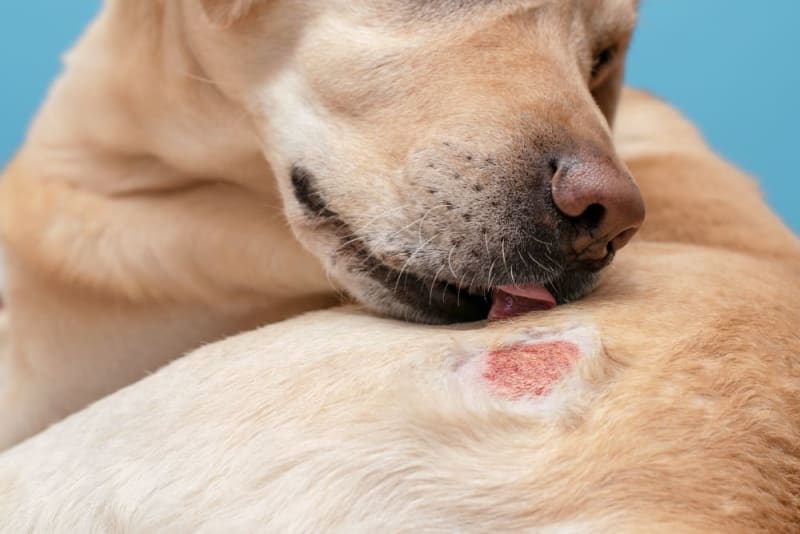
One of the most noticeable signs is persistent itching and scratching. Pets may scratch their bodies, bite their paws, or rub against furniture.
Excessive scratching can lead to wounds or infections. Monitor your pet’s behavior to catch this symptom early.
Redness And Inflammation
Redness and inflammation often accompany skin allergies. You may notice these signs on your pet’s belly, ears, or paws.
| Area | Signs |
|---|---|
| Belly | Red spots, swelling |
| Ears | Red, hot to touch |
| Paws | Red, swollen, irritated |
Hair Loss
Another common symptom is hair loss. Allergies can cause patches of missing fur.
- Visible bald spots
- Thinning coat
- Uneven fur texture
Hair loss is usually accompanied by other symptoms like redness or itching. Early detection can prevent further complications.
Diagnostic Methods
Identifying the exact cause of pet skin allergies is crucial. This helps provide the right treatment. Different diagnostic methods help in pinpointing the allergens. Let’s explore some common methods.
Veterinary Examinations
Veterinary examinations are the first step in diagnosing skin allergies. A vet will check your pet’s skin for redness, swelling, and lesions. They will also review the pet’s medical history. This helps rule out other skin conditions.
The vet may perform skin scrapings to check for mites or fungal infections. Sometimes, they might do a biopsy. This involves taking a small skin sample for further analysis.
Allergy Testing
Allergy testing identifies specific allergens affecting your pet. There are two main types:
- Intradermal Skin Testing: Small amounts of allergens are injected into the skin. The vet observes the reaction.
- Blood Tests: These measure the levels of allergy antibodies in the blood.
Both tests help in determining the exact cause of the allergy. This aids in creating a targeted treatment plan.
Elimination Diets
Elimination diets help identify food allergies. This involves feeding your pet a special diet for 8-12 weeks. The diet includes limited ingredients that your pet has never eaten.
If the allergy symptoms improve, food is gradually reintroduced one at a time. This helps pinpoint the food causing the allergy.
Elimination diets require strict adherence to be effective. Consult your vet before starting any new diet.
Topical Treatments
Pet skin allergies can be distressing for both pets and their owners. Topical treatments are one of the effective ways to relieve your pet’s discomfort. These treatments are applied directly to your pet’s skin. They help in soothing and healing the affected areas. Here are some common topical treatments you can use:
Medicated Shampoos
Medicated shampoos are specially formulated to treat skin allergies. They contain ingredients that help reduce itching and inflammation. Use these shampoos regularly to maintain your pet’s skin health. Always follow the instructions on the label for the best results.
Soothing Creams
Soothing creams can bring relief to your pet’s itchy skin. They are easy to apply and often provide instant relief. Look for creams with natural ingredients like aloe vera and chamomile. These ingredients are gentle and effective for sensitive skin.
Ointments
Ointments are thicker than creams and provide a protective barrier. They are ideal for treating small, localized areas. Apply a thin layer to the affected area as directed. Ointments help in healing by keeping the skin moist and protected.
Oral Medications
Oral medications can help manage pet skin allergies effectively. These medications reduce symptoms and provide relief. Below are some common types of oral medications for pet skin allergies.
Antihistamines
Antihistamines are often the first line of defense. They block histamines that cause itching and inflammation.
- Benedryl (diphenhydramine)
- Claritin (loratadine)
- Zyrtec (cetirizine)
Consult your vet for the correct dosage. Antihistamines can cause drowsiness in pets.
Steroids
Steroids are powerful anti-inflammatory drugs. They quickly reduce swelling and itching.
Common steroids include:
- Prednisone
- Prednisolone
- Dexamethasone
These drugs are effective but have side effects. Long-term use can lead to weight gain and diabetes. Always follow your vet’s guidance.
Immune Modulators
Immune modulators adjust the immune system response. They are useful for chronic allergies.
Examples include:
- Apoquel (oclacitinib)
- Cyclosporine (Atopica)
These medications are often used when other treatments fail. They help reduce itching and inflammation.
Immune modulators can be expensive. Discuss options with your vet to find the best treatment for your pet.

Credit: www.countrysidevets.com
Natural Remedies
Pet skin allergies can be challenging to manage. Many pet owners seek natural remedies for relief. These remedies can be effective and gentle for pets. Let’s explore some natural options to help your furry friend.
Herbal Supplements
Herbal supplements can help soothe pet skin allergies. They can boost the immune system and reduce inflammation. Some common herbal supplements include:
- Chamomile: Known for its calming properties.
- Aloe Vera: Offers soothing relief for itchy skin.
- Calendula: Promotes healing and reduces irritation.
Consult your vet before starting any herbal supplements. It’s important to ensure they are safe for your pet.
Dietary Changes
Diet plays a vital role in managing pet allergies. Certain foods can trigger allergic reactions. Consider the following dietary changes:
| Food Type | Benefits |
|---|---|
| Grain-free diets | Reduce common allergens like wheat and corn. |
| Omega-3 fatty acids | Help reduce inflammation and improve skin health. |
| Novel protein sources | Minimize exposure to common protein allergens. |
Introduce new foods slowly. Monitor your pet’s reaction to these changes.
Essential Oils
Essential oils can offer relief for pet skin allergies. They must be used with caution. Some beneficial essential oils include:
- Lavender oil: Has soothing and anti-inflammatory properties.
- Chamomile oil: Helps calm irritated skin.
- Tea tree oil: Offers antibacterial benefits but must be diluted properly.
Always dilute essential oils before applying them. Use a carrier oil like coconut oil. Avoid using oils toxic to pets, such as eucalyptus.
Preventative Measures
Pet skin allergies can be bothersome for both pets and their owners. Preventative measures are essential to keep your furry friend healthy and comfortable. Here are some effective strategies to prevent skin allergies in pets.
Regular Grooming
Regular grooming helps remove allergens from your pet’s fur. Brush their coat daily to eliminate dirt, dust, and pollen. Regular baths with hypoallergenic shampoo can soothe their skin. Trim their nails to avoid scratching and potential infections.
Allergen-free Environment
Maintain a clean home to reduce allergens. Vacuum carpets and upholstery frequently. Wash pet bedding in hot water weekly. Use air purifiers to keep the air clean. Limit your pet’s outdoor exposure during high pollen seasons.
Balanced Nutrition
A well-balanced diet strengthens your pet’s immune system. Feed them high-quality food rich in essential nutrients. Include omega-3 fatty acids to promote healthy skin. Avoid foods with artificial additives and fillers.

Credit: www.countrysidevets.com
When To Seek Professional Help
Pet skin allergies can cause discomfort and distress for your furry friends. While mild symptoms can be managed at home, there are situations where you must seek professional help. Recognizing these signs can ensure your pet gets the care they need. Here are some critical points to watch for.
Severe Reactions
Severe reactions to allergens can be alarming. If you notice your pet having difficulty breathing, swelling, or severe itching, seek veterinary help immediately. These signs can indicate a serious allergic reaction that needs immediate attention.
Persistent Symptoms
If your pet’s symptoms do not improve with home care, it may be time to consult a vet. Persistent itching, redness, or hair loss can indicate a deeper issue. A vet can perform tests to identify the exact cause of the allergy and provide targeted treatment.
Secondary Infections
Secondary infections can develop if your pet keeps scratching or licking the affected area. Look for signs of infection such as pus, foul odor, or increased redness. These symptoms require professional treatment to prevent further complications.
| Symptom | When to Seek Help |
|---|---|
| Difficulty Breathing | Immediately |
| Swelling | Immediately |
| Persistent Itching | After a few days |
| Redness | After a few days |
| Hair Loss | Consult a vet |
| Pus or Foul Odor | Immediately |
Understanding when to seek professional help can make a big difference in your pet’s health. Always monitor their symptoms closely and don’t hesitate to contact your vet if you notice any alarming signs.
Frequently Asked Questions
What Causes Pet Skin Allergies?
Pet skin allergies can be caused by food, fleas, and environmental factors. Common allergens include pollen, dust mites, and mold. Identifying the specific allergen is key.
How Can I Identify Pet Skin Allergies?
Look for symptoms like itching, redness, and hair loss. Frequent scratching and licking are also signs. A vet can provide a definitive diagnosis.
What Are Common Treatments For Pet Skin Allergies?
Treatments include antihistamines, steroids, and medicated shampoos. Dietary changes and hypoallergenic foods can also help. Consult your vet for the best options.
Can Diet Affect Pet Skin Allergies?
Yes, diet can impact skin allergies. Some pets react to specific proteins or grains. Switching to hypoallergenic food might help.
Conclusion
Pet skin allergies can be managed with proper care and attention. Identify triggers to avoid allergens. Regular grooming helps maintain healthy skin. Consult your vet for effective treatments. A balanced diet boosts your pet’s immunity. Watch for symptoms and act quickly.
Keep your pet comfortable and happy. Simple steps can make a big difference. Your pet deserves the best care.
Last Updated on April 4, 2026