Last Updated on September 2, 2026
If you want your cat to live a long, happy, and healthy life, understanding their nutritional needs is key. You might think feeding your cat is as simple as choosing any cat food off the shelf, but there’s more to it than that.
Your cat’s body requires specific nutrients to stay energetic, maintain a shiny coat, and avoid common health problems. You’ll discover exactly what your feline friend needs from their diet, why it matters, and how you can make the best choices to keep them thriving every day.
Keep reading—your cat will thank you for it!

Credit: todaysveterinarypractice.com
Cat Dietary Requirements
Cats have unique dietary needs that differ significantly from many other pets. Understanding these requirements helps you provide food that supports their health and energy. Paying attention to what your cat eats can prevent common health issues and improve their quality of life.
Macronutrients For Cats
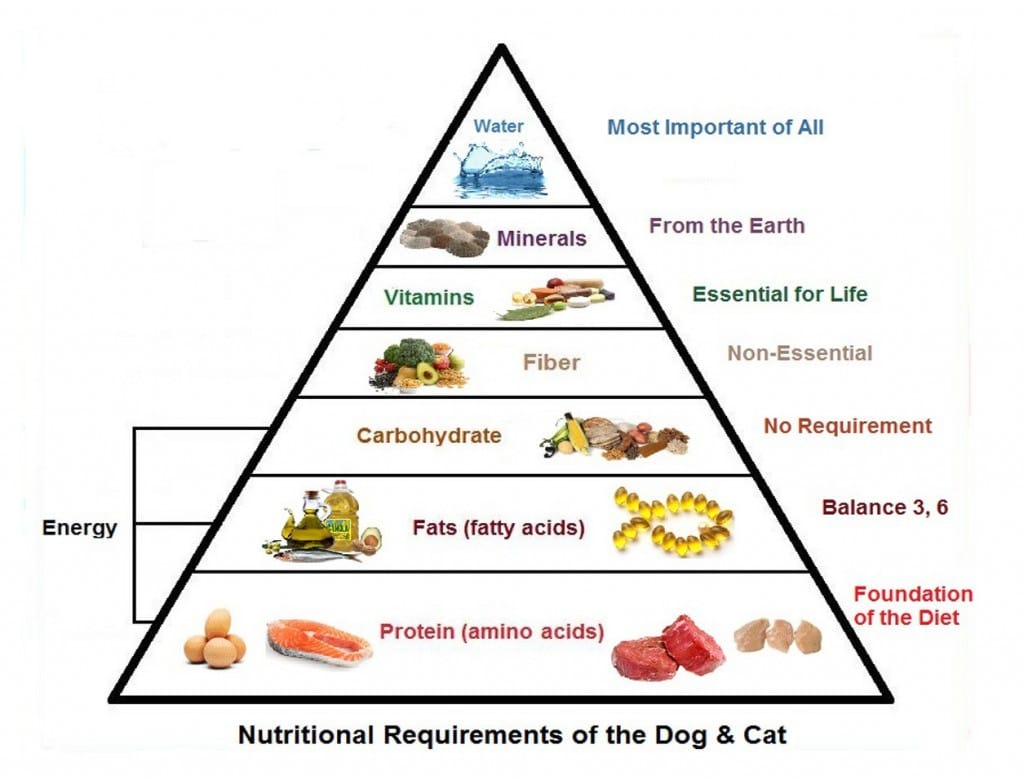
Cats need a diet rich in protein because they are obligate carnivores. Protein provides essential amino acids like taurine, which cats cannot make on their own. Fat is also crucial, offering energy and helping with vitamin absorption.
Carbohydrates play a smaller role in a cat’s diet. While some carbs are acceptable, too many can lead to weight gain and digestive issues. Look for cat foods where protein and fat are the main ingredients.
Essential Vitamins And Minerals
Your cat needs certain vitamins and minerals to stay healthy and active. Vitamin A supports their vision, while B vitamins help with energy and metabolism. Minerals like calcium and phosphorus keep bones strong.
Unlike humans, cats require vitamin D from their food, not sunlight. Missing these nutrients can cause serious health problems. Checking the label for these essentials can guide you in choosing the right food.
Water Intake Importance
Water is often overlooked but vital for your cat’s wellbeing. Cats naturally have a low thirst drive, which means they might not drink enough water on their own. Dehydration can lead to kidney issues and urinary tract problems.
If your cat mainly eats dry food, you must encourage water drinking or add wet food to their diet. Have you noticed your cat’s water bowl often empty? That might be a sign to pay closer attention to their hydration habits.
Life Stage Nutrition
Cats need different nutrients at different life stages. Their bodies grow and change. Food must support these changes. Feeding the right diet helps cats stay healthy and active. Nutritional needs vary from kittenhood to old age. Understanding these needs supports their wellbeing.
Kittens’ Nutritional Needs
Kittens grow fast and need more energy than adults. Their food must contain high protein and fat. These nutrients help build strong muscles and bones. Kittens also need more vitamins and minerals. DHA supports brain and eye development. Frequent meals help maintain their energy. Avoid foods with low nutrients. Choose food specially made for kittens.
Adult Cat Diet
Adult cats require balanced nutrition to maintain health. Protein remains important but in moderate amounts. Fat provides energy but should be controlled. Fiber helps digestion and weight control. Vitamins and minerals keep organs working well. Portion control prevents obesity. Feeding twice a day suits most adult cats. Fresh water is essential every day. Quality commercial cat food covers these needs.
Senior Cat Considerations
Older cats have slower metabolism and less activity. They need fewer calories to avoid weight gain. Protein is still vital to prevent muscle loss. Joint supplements may help with arthritis. Dental health affects food choices; soft food may be better. Kidney function declines; low phosphorus diets can help. Regular vet visits track health changes. Senior cat food formulas meet these special needs.
Special Diets And Conditions
Cats sometimes need special diets to stay healthy. These diets help manage weight, allergies, and other health problems. Understanding these needs can improve your cat’s life and wellbeing.
Weight Management
Obesity is common in cats. Extra weight can cause joint pain and diabetes. Special diets help reduce calories without cutting nutrition. High protein and low fat foods keep muscles strong. Controlled portions prevent overeating and keep cats fit.
Food Allergies And Sensitivities
Some cats react badly to certain foods. Allergies cause itching, vomiting, or diarrhea. Limited ingredient diets reduce exposure to allergens. Novel proteins like duck or venison help sensitive cats. Avoid common triggers like beef, dairy, or grains.
Health Issues Impacting Diet
Health problems change a cat’s diet needs. Kidney disease requires low protein and phosphorus foods. Diabetes needs balanced carbs to control blood sugar. Digestive issues benefit from easily digestible ingredients. Talk to a vet for the best diet plan.
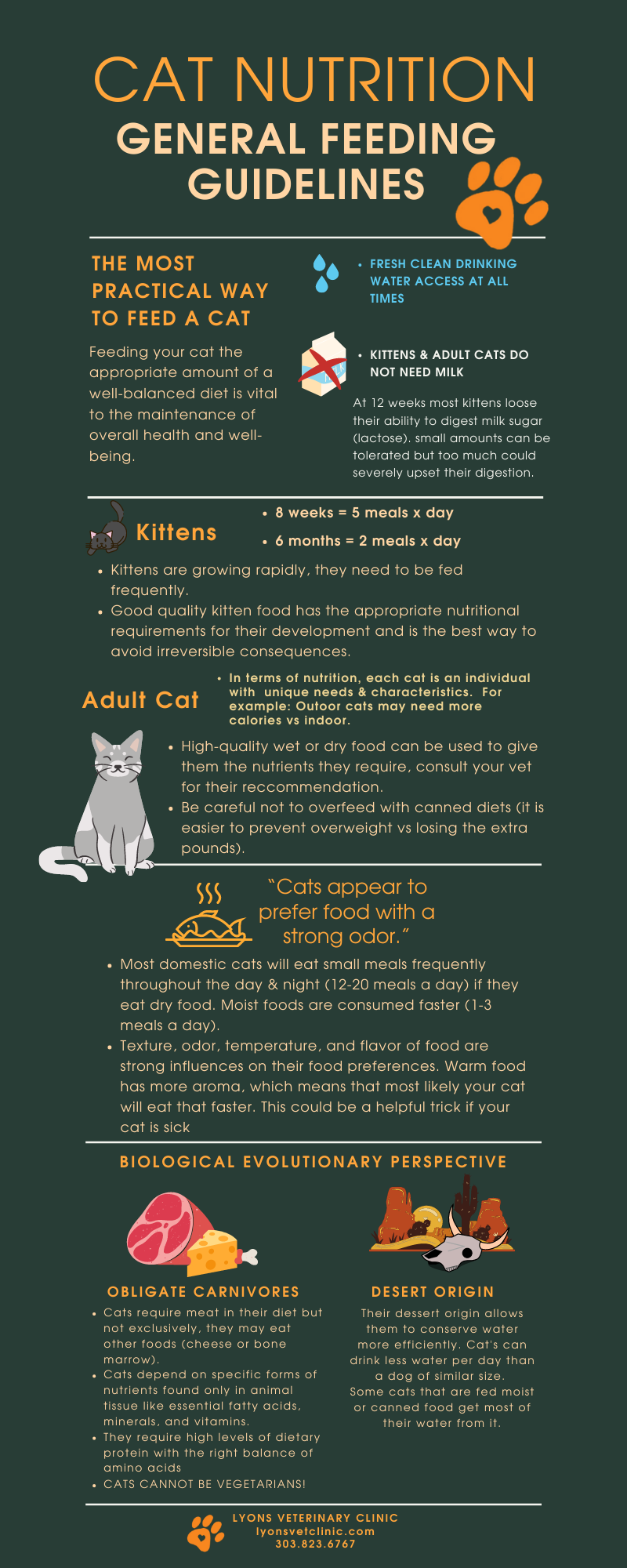
Credit: www.lyonsvetclinic.com
Choosing The Right Cat Food
Choosing the right food for your cat is key to its health. Cats need a diet that matches their natural habits and nutritional needs. Every cat is different, so understanding food types helps you make the best choice. Good food supports their energy, fur, and overall well-being.
Wet Vs. Dry Food Benefits
Wet food contains more moisture. This helps cats stay hydrated, especially those that drink less water. It usually has higher protein and fewer carbs. Wet food is softer, which some cats prefer.
Dry food is easier to store and less expensive. It helps keep teeth clean by reducing plaque. Dry food lasts longer once opened. Many cats enjoy the crunchy texture.
Reading Pet Food Labels
Look for high protein from real meat. Avoid foods with too many fillers like corn or wheat. Check for essential nutrients like taurine, vitamins, and minerals. Ingredients are listed in order of weight. The first few ingredients matter most.
Beware of vague terms like “meat by-products.” Clear labeling shows better quality. Choose food made for your cat’s life stage: kitten, adult, or senior.
Homemade Diets And Safety
Homemade meals let you control ingredients. Fresh foods can be healthy but may miss key nutrients. Cats need specific vitamins and amino acids not found in all foods. Consult a vet before starting homemade diets.
Use safe cooking methods and avoid harmful foods like onions or garlic. Balanced recipes keep your cat strong and healthy. Regular checkups help track your cat’s health on homemade diets.
Feeding Tips And Habits
Feeding cats the right way supports their health and happiness. Proper feeding habits help avoid obesity and digestive problems. Cats need balanced meals that meet their natural needs. Establishing good habits early makes feeding easier for both cats and owners.
Meal Frequency And Portion Control
Cats do best with small, frequent meals. Feeding two to three times a day works well. Measure portions carefully to avoid overfeeding. Use a kitchen scale or measuring cup for accuracy. Keep an eye on your cat’s weight and adjust portions as needed.
Encouraging Hydration
Cats often do not drink enough water. Offer fresh water daily in a clean bowl. Consider a cat water fountain to attract them. Wet cat food can also increase water intake. Hydration helps prevent urinary tract problems and kidney issues.
Avoiding Harmful Foods
Some human foods can harm cats. Avoid chocolate, onions, garlic, and caffeine. Do not feed raw dough or alcohol. Keep grapes, raisins, and certain nuts away from your cat. Always check with a vet before introducing new foods.
Credit: drbillspetnutrition.com
Frequently Asked Questions
What Essential Nutrients Do Cats Need Daily?
Cats require protein, fats, vitamins, and minerals daily. Taurine, an amino acid, is vital for heart and eye health. They also need water and certain fatty acids. Balanced nutrition supports their energy, growth, and overall well-being.
How Much Protein Should A Cat Consume?
Cats need 25-30% protein in their diet. Protein supports muscle maintenance and energy. High-quality animal protein sources are best. Avoid low-protein foods as cats are obligate carnivores and depend on protein.
Why Is Taurine Important For Cats?
Taurine is crucial for cats’ heart and vision health. Unlike other animals, cats cannot produce enough taurine. Deficiency can cause blindness and heart failure. Taurine must be included in their diet through meat or supplements.
Can Cats Digest Carbohydrates Effectively?
Cats have limited ability to digest carbohydrates. Their natural diet is low in carbs and high in protein. Excess carbs can lead to obesity and diabetes. It’s best to feed cats low-carb, high-protein foods for optimal health.
Conclusion
Cats need balanced nutrition to stay healthy and happy. Proteins, fats, vitamins, and minerals all play key roles. Feeding your cat the right food supports strong muscles and a shiny coat. Water keeps them hydrated and helps digestion. Avoid giving harmful human foods.
Regular check-ups help catch nutrition issues early. Caring for your cat’s diet shows love and keeps them lively. Small changes in feeding can make a big difference. Remember, healthy cats live longer and enjoy life more. Give your feline friend the best nutrition every day.