Last Updated on August 6, 2026
Have you ever wondered about the controversial topic of puppy meat? It’s a subject that sparks strong emotions and deep questions.
Whether you’re curious, concerned, or just looking for clear facts, this article will help you understand why puppy meat is such a heated issue around the world. By the end, you’ll have a clearer view and know what it really means—for animals, for people, and for you.
Keep reading to discover the truth behind this sensitive topic.
Global Practices Involving Puppy Meat
Puppy meat is a topic that brings strong feelings worldwide. Some cultures have traditions involving puppy meat. Others find the idea shocking. Understanding global practices helps explain why it happens.
Different regions have unique views on eating puppy meat. These views come from history and culture. Exploring these helps us learn about human diversity.
Regions Where Puppy Meat Is Consumed
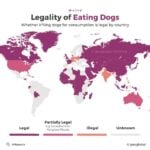
Eating puppy meat occurs in parts of East Asia. China, South Korea, and Vietnam are known for this practice. Some areas in Africa also consume dog meat. The practice is less common in Western countries. Laws vary widely about eating dog meat worldwide.
Historical Context And Origins
The use of puppy meat dates back many centuries. In some cultures, it was a survival food during hard times. It also became part of traditional medicine. Historical records show this practice in ancient texts. The custom evolved differently in various societies.
Cultural Significance In Certain Societies
In some cultures, puppy meat has symbolic meaning. It may represent strength, health, or luck. Special festivals sometimes include dog meat dishes. Families pass down these traditions over generations. The cultural role varies from place to place.
Ethical Concerns And Animal Welfare
Ethical concerns and animal welfare form the core of debates about puppy meat. Many people worry about how dogs are treated in this industry. The issue raises questions about cruelty and respect for animals. It also touches on broader effects on dog populations and the environment. Animal rights activists have responded strongly to these problems.
Treatment Of Dogs In The Meat Industry
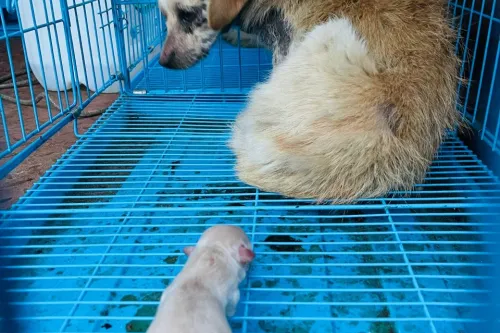
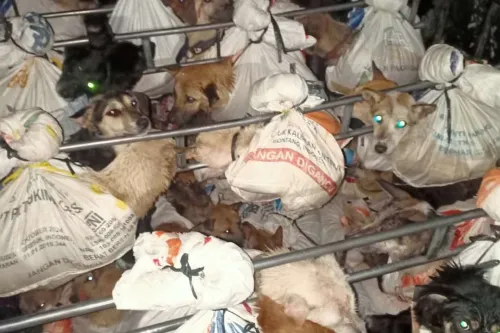
Dogs raised for meat often face harsh conditions. They live in cramped, dirty cages. Many suffer from poor nutrition and lack of medical care. Handling methods can be rough and painful. Stress and fear are common among these animals. The process raises serious welfare issues that demand attention.
Impact On Dog Populations And Biodiversity
The demand for puppy meat affects local dog populations. Some breeds become endangered due to over-harvesting. Wild dogs and feral populations may also suffer. These losses can harm biodiversity in the region. The balance of ecosystems gets disrupted by these changes.
Animal Rights Activism And Campaigns
Activists work to stop the puppy meat trade worldwide. Campaigns focus on raising awareness about cruelty. They push for stronger laws and enforcement. Many groups rescue dogs from slaughterhouses. Their efforts highlight the need for humane treatment and legal protection.
Legal Status And Regulations
The legal status of puppy meat varies widely around the world. Many countries have introduced laws banning the sale and consumption of dog meat. These regulations aim to protect animal welfare and public health. Enforcement of such laws can be difficult. Some places still struggle to fully stop the trade. International groups work to support stronger rules and better enforcement worldwide.
Countries With Bans On Puppy Meat
Several countries have clear bans on puppy meat. In the United States, dog meat is illegal in all states. The European Union also prohibits dog meat trade. South Korea and Taiwan recently passed laws to reduce dog meat consumption. China has no nationwide ban but some cities like Shenzhen do ban it. These laws reflect growing concern for animal rights.
Enforcement Challenges And Loopholes
Enforcement of puppy meat bans faces many challenges. Illegal markets often operate in secret. Lack of resources limits police actions in some countries. Corruption can allow illegal trade to continue. Some laws have loopholes, such as exceptions for traditional uses. Public awareness and reporting remain low in many areas. These factors make ending puppy meat trade difficult.
International Efforts And Agreements
Global groups work to stop puppy meat consumption. Organizations like the World Animal Protection promote stronger laws. International agreements encourage countries to improve animal welfare. Campaigns raise awareness about the cruelty involved. Some trade agreements include animal welfare clauses. Cooperation helps share information and improve enforcement. These efforts aim to reduce puppy meat use worldwide.
Credit: www.humaneworld.org
Health Risks And Food Safety
Puppy meat poses serious health risks and food safety concerns. Eating it can lead to dangerous diseases and infections. The way it is prepared often lacks hygiene, raising more risks. Understanding these risks helps protect your health and well-being.
Potential Diseases From Consuming Puppy Meat
Puppy meat may carry harmful bacteria and viruses. These can cause food poisoning and other illnesses. Rabies is a major risk linked to dog meat. Parasites can also infect humans through this meat. Such diseases can be severe and life-threatening.
Food Preparation And Hygiene Issues
Puppy meat is rarely processed under safe conditions. Poor hygiene during slaughter raises contamination risks. Lack of proper cooking can leave bacteria alive. Cross-contamination with other foods is common. Unsafe handling increases chances of illness.
Comparisons With Other Meat Sources
Meat from regulated animals undergoes strict safety checks. Beef, chicken, and pork have controlled processing standards. These meats are less likely to carry dangerous diseases. Puppy meat lacks such regulations and controls. This makes it a much riskier choice.
Media Influence And Public Opinion
The issue of puppy meat has gained attention worldwide. Media plays a big role in shaping what people think. Stories, videos, and posts influence public views. They help raise awareness and push for change. Many voices join to speak for animals and better laws.
Role Of Documentaries And News Coverage
Documentaries show real stories about puppy meat trade. They capture harsh conditions and suffering. News reports bring updates to a wide audience. They reveal hidden facts and illegal activities. Visual storytelling makes the issue hard to ignore. People start to care after seeing the truth.
Social Media Campaigns And Awareness
Social media spreads messages fast and wide. Campaigns use photos, videos, and facts to inform. Many users share posts to support the cause. Online petitions gather millions of signatures. Hashtags help group voices and create trends. Social platforms connect activists and concerned citizens.
Changing Attitudes Among Younger Generations
Younger people show more concern for animal rights. They learn about cruelty through schools and the internet. Many choose to avoid foods linked to harm. Their values focus on kindness and respect for life. This shift influences families and communities. Future changes may come from their strong voices.

Credit: www.akc.org
Alternatives And Solutions
Many people want to find better ways to stop the use of puppy meat. There are clear choices that respect animals and support healthy living. These choices help both people and animals live better lives. Here are some ways to make a positive change.
Promoting Ethical Protein Sources
Choosing ethical protein sources can reduce the demand for puppy meat. Farmers can raise animals like chicken, fish, and cows with care. These animals are raised in safe, healthy places. Ethical meat supports better health and respects animal life. Plant-based proteins like beans and lentils also offer good nutrition. Promoting these options helps communities eat well without harm.
Community Education And Outreach
Teaching people about animal welfare changes attitudes and habits. Schools and local groups can share facts about the harm caused by eating puppy meat. Education helps people understand animal feelings and rights. Outreach programs can show how to cook healthy meals without puppy meat. Sharing stories of kindness builds respect for animals in communities. This approach creates long-lasting change from the ground up.
Supporting Animal Rescue And Adoption
Helping animals find safe homes lowers the chance of them being used for meat. Animal rescue groups save puppies from harm and give them care. Adoption programs connect pets with loving families. These acts protect puppies and reduce the market for puppy meat. Supporting shelters and rescues encourages kindness and protects animal lives. Every saved puppy is a step toward a more humane world.
Credit: www.humaneworld.org
Frequently Asked Questions
What Is Puppy Meat And Where Is It Consumed?
Puppy meat refers to dog meat consumed in some cultures. It is eaten in parts of Asia and Africa as a traditional delicacy or for perceived health benefits.
Is Eating Puppy Meat Legal Worldwide?
No, laws vary widely. Many countries ban dog meat due to animal welfare concerns. Others regulate or tolerate its consumption culturally.
What Are The Ethical Concerns Of Puppy Meat Consumption?
Ethical issues include animal cruelty, illegal trade, and cultural sensitivity. Many advocate for animal rights and ending the dog meat industry.
How Does Puppy Meat Consumption Affect Public Health?
Consuming puppy meat can risk zoonotic diseases. Unregulated slaughter and poor hygiene raise health concerns, including bacterial infections and parasites.
Conclusion
Puppy meat raises many concerns worldwide. People should know the facts before judging. Cultural differences shape what we eat and accept. Respect and understanding help build better conversations. Protecting animals and promoting kindness matters most. Everyone can choose to support humane treatment.
Let’s focus on caring for all living beings. Awareness leads to thoughtful and informed choices. Change starts with knowledge and compassion combined.