
Last Updated on June 6, 2026
If you have a dog, you know how important it is to keep fleas away. Flea treatments can protect your furry friend from itchy bites and nasty infections.
But have you ever wondered if these treatments could cause side effects? You might be surprised to learn that some flea products can affect your dog’s health in unexpected ways. Understanding these side effects can help you make the best choice for your pet’s safety and comfort.
Keep reading to discover what you need to watch out for and how to keep your dog happy and healthy.
Credit: texaspetcompany.com
Common Flea Treatments For Dogs
Fleas cause itching and discomfort for dogs. Many treatments exist to control flea problems. These options vary in how they work and their possible side effects. Understanding common flea treatments helps pet owners choose the best solution. Here are the main types of flea treatments for dogs.
Topical Treatments
Topical flea treatments are liquids applied to the dog’s skin. They kill fleas quickly and last for weeks. Most products target adult fleas and prevent eggs from hatching. Some dogs may experience redness or itching at the application site. Always follow instructions carefully to avoid skin irritation or other issues.
Oral Medications
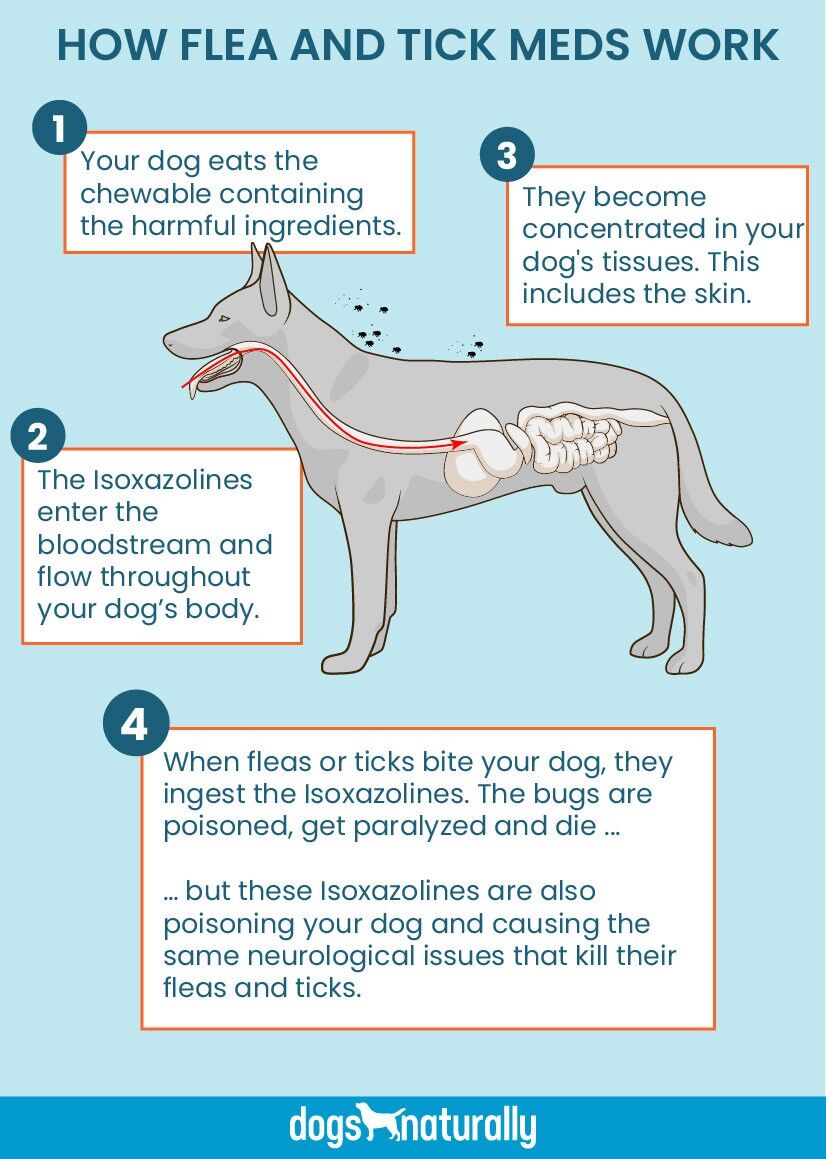
Oral flea medications come as tablets or chewables. They work by killing fleas when the dog bites or chews the pill. These medicines often act fast and last for one month or more. Side effects can include vomiting or diarrhea. Talk to a vet before starting any oral flea treatment.
Flea Collars
Flea collars release chemicals that repel or kill fleas. They are easy to use and can provide protection for several months. Some collars may cause skin irritation or allergic reactions. Check the collar’s fit to avoid discomfort. Not all flea collars work equally well, so choose one with proven results.
Natural Remedies
Natural flea remedies use plant oils and herbal extracts. Some owners prefer these to avoid harsh chemicals. These treatments may help repel fleas but are less effective at killing them. Natural remedies are usually safer but might need frequent application. Always monitor your dog’s reaction to any natural product.
Credit: www.dogsnaturallymagazine.com
Typical Side Effects To Watch For
Flea treatments for dogs help keep pests away but can cause side effects. It is important to know what to watch for after applying any flea product. Some reactions are mild and go away quickly. Others may need a vet’s attention. Knowing these typical side effects helps you protect your dog’s health.
Skin Irritation And Allergic Reactions
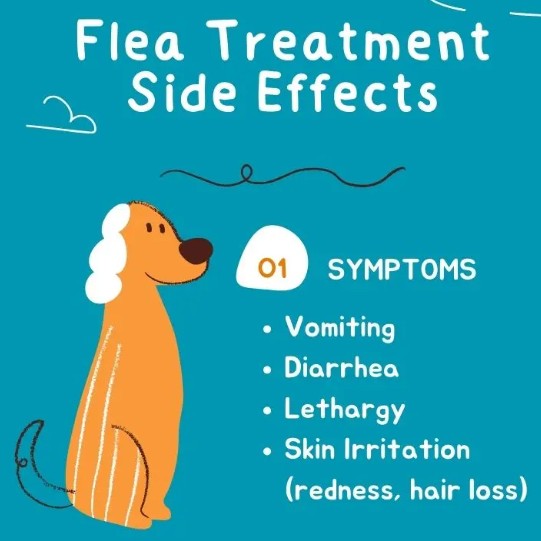
Skin irritation is common after flea treatment. You might see redness, itching, or small bumps. Dogs may scratch or lick the treated area more than usual. Allergic reactions are less common but more serious. Signs include swelling, hives, or hair loss. Check your dog’s skin closely for any changes.
Gastrointestinal Issues
Some dogs may have stomach problems after flea treatment. Vomiting and diarrhea can happen, especially if your dog licks the medicine. Loss of appetite and drooling are also signs to watch for. These symptoms usually appear within a few hours to days after treatment.
Neurological Symptoms
Neurological side effects are rare but serious. Look for shaking, trembling, or weakness. Seizures and loss of balance can occur in extreme cases. These symptoms need immediate veterinary care. Keep an eye on your dog’s movements and alertness after treatment.
Behavioral Changes
Behavior shifts may show after flea treatment. Your dog might seem tired or less playful. Restlessness or pacing can also occur. These changes are often short-lived. If unusual behavior lasts more than a day, consult your vet.
Factors Influencing Side Effects
Side effects from flea treatments vary widely. Many factors influence how a dog reacts to these products. Knowing these factors helps pet owners keep their dogs safe.
Each dog is unique. Their body, health, and how the treatment is used all matter. Some dogs handle treatments well. Others may have mild to severe reactions. Understanding what affects side effects can guide safer flea control.
Dog’s Age And Size
Puppies and older dogs often have weaker immune systems. They may react more to flea treatments than adult dogs. Small dogs have less body mass, so they absorb medicine faster. This can increase the chance of side effects. Correct treatment for age and size is crucial.
Breed Sensitivities
Some dog breeds are more sensitive to flea medicines. For example, herding breeds like Collies can have bad reactions. These breeds may not process chemicals well. Knowing your dog’s breed helps choose the right product. Avoid products known to cause problems for certain breeds.
Pre-existing Health Conditions
Dogs with health problems may face more risks. Liver or kidney issues can slow down medicine breakdown. Allergies or skin diseases can worsen with flea treatments. Always consider your dog’s health history. Consult a vet before starting any flea treatment.
Incorrect Dosage Or Application
Using too much medicine raises the risk of side effects. Applying treatment in the wrong spot can cause skin irritation. Some owners may use a product meant for a different animal size. Always follow product instructions exactly. Proper dosage and application keep dogs safer.
When To Contact A Veterinarian
Flea treatments help protect dogs from pests but can sometimes cause side effects. Recognizing serious symptoms early is important. Contact a veterinarian if your dog shows unusual signs after treatment. Quick action can prevent more harm.
Severe Allergic Reactions
Watch for swelling of the face, lips, or eyes. Difficulty breathing or hives are urgent signs. Allergic reactions need immediate veterinary care. Do not wait if these symptoms appear.
Persistent Vomiting Or Diarrhea
Occasional upset stomach might happen after treatment. Vomiting or diarrhea lasting more than a day is concerning. This can lead to dehydration and weakness. A vet can provide fluids and proper medication.
Unusual Lethargy Or Weakness
If your dog is unusually tired or weak, seek help. This is not normal behavior. It may indicate a bad reaction to the flea treatment. Early veterinary evaluation can find the cause and offer treatment.
Seizures Or Tremors
Seizures or shaking are serious side effects. These require immediate veterinary attention. Do not try to treat this at home. Quick care can reduce risks and improve recovery chances.
Preventing Side Effects
Preventing side effects from flea treatments is important for your dog’s health. Some treatments can cause mild problems like itching or more serious reactions. Taking careful steps helps keep your dog safe and comfortable.
Choosing The Right Flea Treatment
Select a flea treatment made for your dog’s size and age. Different products suit puppies and adult dogs. Ask your vet which treatment fits your dog’s health needs best. Avoid using treatments meant for other animals.
Following Dosage Instructions
Always follow the instructions on the flea treatment package. Giving too much can harm your dog. Too little may not kill fleas effectively. Use the correct amount based on your dog’s weight and age.
Monitoring Your Dog After Treatment
Watch your dog closely after applying flea treatment. Look for signs like redness, swelling, or unusual behavior. Early detection of side effects allows quick action. Contact your vet if your dog seems unwell.
Regular Vet Checkups
Schedule regular vet visits to keep your dog healthy. Your vet can check for reactions and suggest safe flea control options. Routine checkups help catch problems before they become serious. Keep your dog’s flea treatment up to date with vet advice.
Alternatives To Conventional Flea Treatments
Many dog owners worry about side effects from conventional flea treatments. These treatments can sometimes cause skin irritation or other issues. Choosing safer alternatives helps protect your dog’s health. Several options exist outside traditional chemicals. These methods focus on natural care and prevention.
Herbal And Natural Options
Herbal flea treatments use plant-based ingredients. Oils like neem, lavender, and eucalyptus repel fleas naturally. These options cause fewer side effects than chemical products. They are gentle on your dog’s skin and coat. Regular use can keep fleas away without harsh chemicals.
Environmental Control Measures
Cleaning your dog’s environment is key to flea control. Vacuum floors, carpets, and furniture often. Wash bedding and toys in hot water weekly. Use flea traps and diatomaceous earth in living areas. These steps reduce flea eggs and larvae around your home.
Dietary Supplements
Some supplements help repel fleas from inside your dog’s body. Omega-3 fatty acids and garlic are popular choices. They improve skin health and may make your dog less attractive to fleas. Speak to your vet before adding supplements to your dog’s diet.
Professional Pest Control Services
Professional pest control can target fleas in your home. Experts use safe treatments to remove fleas from carpets and walls. This method helps when infestations become severe. Choose companies that use pet-friendly products for safety.
Credit: emmso.eu
Frequently Asked Questions
What Are Common Side Effects Of Flea Treatment For Dogs?
Common side effects include itching, redness, and mild skin irritation. Some dogs may experience vomiting or lethargy. These symptoms usually resolve within a few days. If severe reactions occur, consult your vet immediately for proper care.
How Long Do Flea Treatment Side Effects Last?
Most side effects last between 24 to 72 hours. Mild skin irritation or scratching typically improves quickly. If symptoms persist beyond a few days, seek veterinary advice to ensure your dog’s safety and well-being.
Can Flea Treatments Cause Allergic Reactions In Dogs?
Yes, some dogs may develop allergic reactions. Symptoms include swelling, hives, or difficulty breathing. Allergic reactions require urgent veterinary attention. Always monitor your dog closely after applying flea treatments.
Are Flea Treatment Side Effects Different For Puppies?
Puppies are more sensitive to flea treatments and may show stronger side effects. Use only vet-approved products designed for puppies. Always follow dosage instructions carefully to avoid adverse reactions.
Conclusion
Flea treatments help keep dogs healthy and comfortable. Some side effects may appear but usually are mild. Watch your dog closely after applying any treatment. Stop use and see a vet if symptoms worsen. Choosing the right flea treatment matters for your dog’s safety.
Always read labels and follow instructions carefully. Protect your pet without risking their well-being. Taking simple steps ensures a happy, flea-free dog.