Last Updated on June 12, 2026
Are you worried about your dog constantly scratching and biting at their skin? Flea bites can cause your furry friend a lot of discomfort and even lead to serious health problems if left untreated.
You want to help your dog feel better fast, but with so many treatments out there, it’s hard to know where to start. You’ll discover simple, effective ways to treat flea bites on dogs and protect your pet from future infestations.
Keep reading to learn how to bring relief to your dog and keep those pesky fleas away for good.
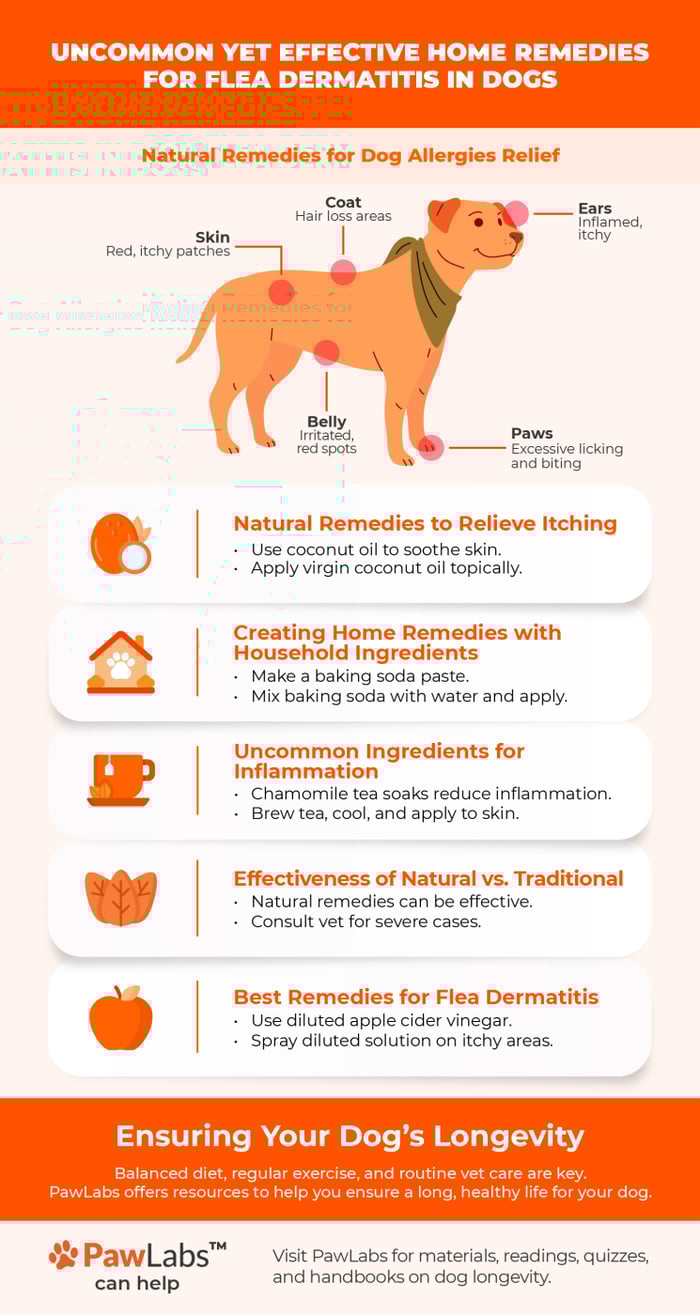
Credit: pawlabs.co
Signs Of Flea Bites On Dogs
Flea bites on dogs cause discomfort and health problems. Early detection helps stop the problem fast. Knowing the signs helps protect your dog’s health and comfort.
Common Symptoms
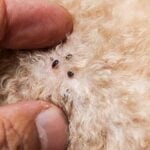
Small red bumps often appear on the skin. Dogs may have tiny black dots, flea dirt, on their fur. Constant scratching and biting are usual signs. Hair loss can happen in areas with many bites. Fleas like warm spots such as the belly and tail.
Behavioral Changes
Your dog might become restless or agitated. Increased scratching and licking show irritation. Some dogs may hide or seem tired. Sudden mood changes can mean discomfort. Watch for signs of pain or distress during grooming.
Skin Reactions
Flea bites can cause redness and swelling. Some dogs develop scabs or crusty skin. Allergic reactions may cause intense itching. Hot spots or sores can form from scratching. Severe skin infections need quick veterinary care.
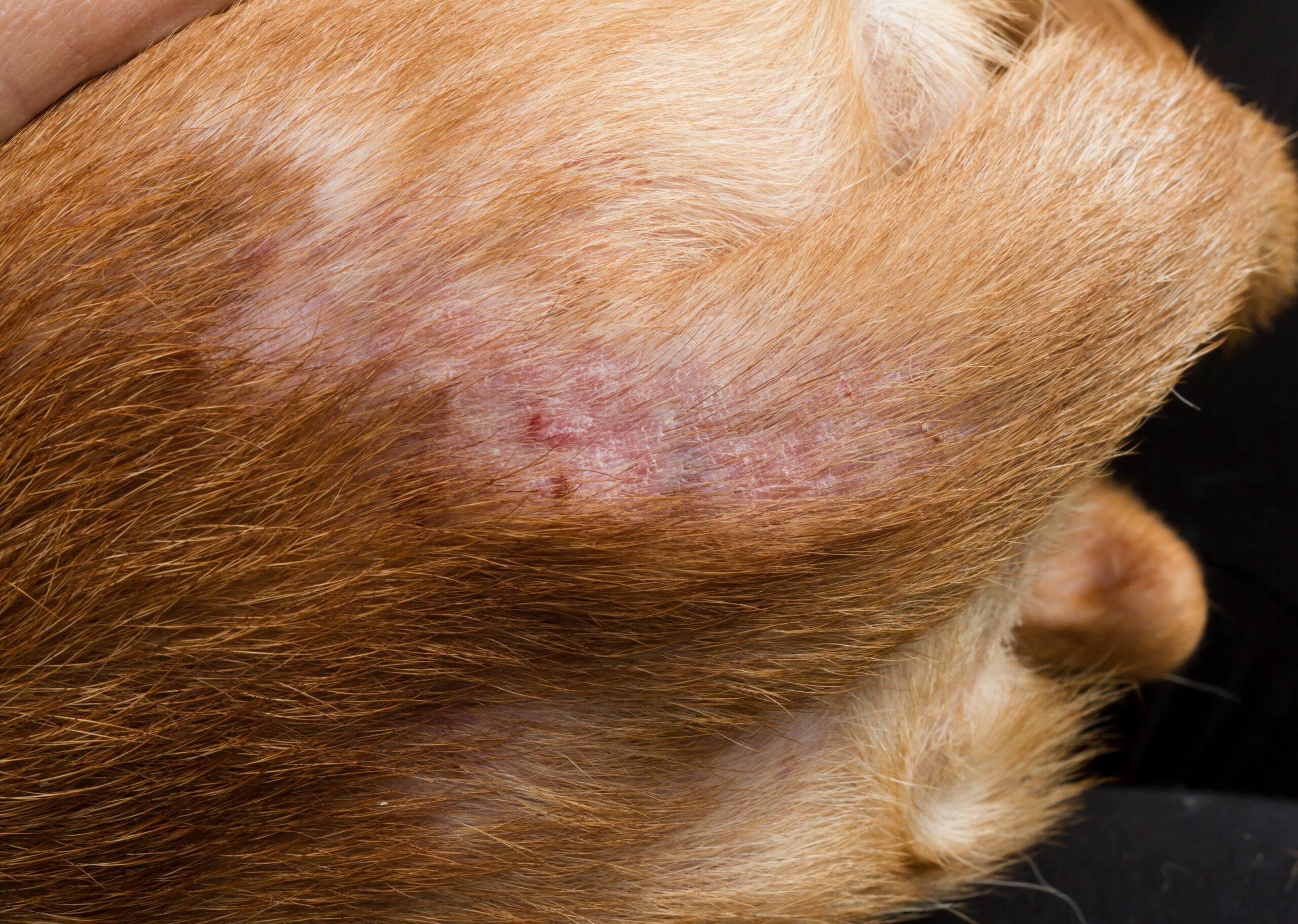
Credit: arvadavethospital.com
Immediate Relief For Flea Bites
Flea bites cause itching and discomfort for dogs. Immediate relief helps your dog feel better fast. Treating the bites quickly prevents infection and reduces scratching. Use simple methods to soothe your dog’s skin at home.
Soothing Topical Remedies
Apply gentle creams or sprays made for dogs. Look for products with aloe vera or oatmeal. These ingredients calm irritation and reduce redness. Avoid human creams, as some are toxic to dogs. Always follow the product instructions carefully.
Cold Compress Techniques
Use a clean cloth soaked in cold water. Place the cloth on the bitten area for a few minutes. Cold helps numb the pain and ease swelling. Repeat the process several times a day. Keep the compress clean to avoid infection.
Medicated Shampoos
Choose shampoos designed to kill fleas and soothe skin. Regular baths help remove fleas and their eggs. Use lukewarm water and massage the shampoo gently. Rinse thoroughly to avoid residue. Baths also help reduce itching and discomfort.
Flea Control Products
Flea control products play a key role in protecting dogs from flea bites. These products kill fleas and stop their eggs from hatching. Using the right product helps keep your dog comfortable and healthy. Many options exist, each with its own way to fight fleas. Understanding them helps you choose the best treatment for your pet.
Spot-on Treatments
Spot-on treatments are liquids applied directly to your dog’s skin. Usually placed between the shoulder blades. They spread over the body to kill fleas fast. These treatments often last for a month. Easy to use and effective at killing adult fleas and larvae. They also prevent new flea eggs from hatching. Many pet owners prefer them for their simplicity.
Oral Medications
Oral medications come in pill or chewable forms. Dogs take them by mouth, making it simple to use. These medicines work inside the dog’s body. They kill fleas when the flea bites the dog. The effect can last from a few weeks to a month. Oral meds often act quickly to stop flea infestations. They are good for dogs who dislike topical treatments.
Flea Collars
Flea collars are worn around the dog’s neck. They release chemicals that kill fleas and repel ticks. Some collars protect for several months. They are a low-maintenance option for flea control. Flea collars also help prevent new fleas from biting. They work best when combined with other treatments. Choose collars that fit well and are safe for your dog.

Credit: www.wikihow.com
Natural Flea Remedies
Natural flea remedies offer gentle and safe ways to protect your dog. These methods avoid harsh chemicals. They help soothe your pet’s skin and keep fleas away. Using nature’s own ingredients can improve your dog’s comfort.
Natural treatments also support the environment. They reduce the risk of allergic reactions. These remedies work well with regular flea control routines. Exploring natural options brings peace of mind for many pet owners.
Herbal Solutions
Herbs like rosemary and peppermint repel fleas naturally. You can make a spray by boiling these herbs in water. Let the mixture cool, then spray it on your dog’s fur. This helps keep fleas at bay and soothes itchy skin.
Another herb, lavender, calms irritated skin and deters pests. You can add dried lavender to your dog’s bedding. These herbal solutions offer a mild, natural approach to flea care.
Essential Oils
Essential oils such as eucalyptus and cedarwood work against fleas. Always dilute oils with water or carrier oils before use. Apply the mixture lightly to your dog’s coat. Avoid contact with eyes and nose to prevent irritation.
Tea tree oil has anti-flea properties but must be used cautiously. Never apply pure oils directly on your pet. Essential oils provide a natural way to protect your dog safely.
Home Cleaning Tips
Fleas often hide in carpets and pet bedding. Vacuum your home regularly to remove flea eggs and larvae. Wash your dog’s bedding in hot water weekly to kill fleas.
Use natural cleaning products like vinegar solutions. They help create a flea-free environment without chemicals. Keeping your home clean supports natural flea treatments on your pet.
Preventing Future Flea Infestations
Preventing future flea infestations is key to keeping your dog healthy and comfortable. Fleas can cause itching, skin problems, and even infections. Taking steps to stop fleas from returning saves your dog from unnecessary discomfort. It also protects your home from a flea invasion. A solid prevention plan combines grooming, cleaning, and regular health checks.
Regular Grooming Practices
Brush your dog’s coat daily to spot fleas early. Use a flea comb to remove fleas and eggs. Bathing your dog with flea shampoo helps kill fleas on contact. Keep your dog’s fur clean and dry. Regular grooming also improves your dog’s skin health. It allows you to check for other skin issues too.
Environmental Control
Vacuum floors, carpets, and furniture often to remove flea eggs and larvae. Wash your dog’s bedding weekly in hot water. Treat your home and yard with pet-safe flea sprays or powders. Keep your lawn trimmed to reduce flea hiding spots. Clean areas where your dog rests and plays. This reduces the chance of fleas multiplying.
Routine Vet Checkups
Visit your vet regularly for flea prevention advice. Your vet can recommend safe flea treatments and medications. They check your dog’s skin for signs of fleas or allergies. Early detection prevents severe flea problems. Routine visits ensure your dog stays healthy year-round.
When To See A Veterinarian
Knowing when to see a veterinarian for flea bites on your dog is important. Some signs show that home treatment is not enough. Quick action can prevent serious problems. Watch your dog closely for changes in behavior or skin condition.
Severe Allergic Reactions
Some dogs have strong allergies to flea bites. Look for swelling, redness, or hives on the skin. Your dog may scratch or bite the area a lot. Breathing problems or weakness can happen. These signs need fast veterinary care.
Persistent Skin Issues
If your dog’s skin stays red or sore for days, see a vet. Constant itching and hair loss are warning signs. Sores that do not heal need attention. Vets can provide treatments that reduce discomfort and heal skin faster.
Secondary Infections
Flea bites can cause infections if bacteria enter the skin. Pus, bad smell, or crusty wounds mean infection. Your dog may feel pain or fever. A vet can give medicine to clear infections and stop them from spreading.
Frequently Asked Questions
What Are Effective Treatments For Flea Bites On Dogs?
Effective treatments include flea shampoos, topical spot-on treatments, and oral medications. Always consult your vet for the best option. Clean your dog’s bedding and home to prevent reinfestation. Use flea combs regularly to remove fleas and soothe irritated skin.
How Can I Soothe My Dog’s Flea Bite Itching?
Apply veterinarian-approved anti-itch sprays or creams to reduce itching. Oatmeal baths can calm irritated skin. Avoid scratching to prevent infections. Consult your vet if itching persists or worsens. Keeping fleas under control helps prevent new bites and irritation.
Can Flea Bites Cause Health Problems For Dogs?
Yes, flea bites can lead to allergic reactions and skin infections. Severe infestations cause anemia, especially in puppies. Fleas may also transmit tapeworms and diseases. Early treatment and prevention are vital to protect your dog’s health and comfort.
How Do I Prevent Flea Bites On My Dog?
Regularly use vet-recommended flea preventatives like collars, spot-ons, or oral meds. Keep your dog’s environment clean and vacuum frequently. Avoid areas with heavy flea infestations. Routine grooming and flea checks help catch problems early.
Conclusion
Treating flea bites on dogs is important for their comfort and health. Use flea control products regularly to stop fleas from coming back. Clean your dog’s bedding and home to remove flea eggs and larvae. Watch your dog’s skin for signs of irritation or infection.
Consult your vet if bites get worse or don’t heal. A little care can keep your dog happy and flea-free. Stay consistent and patient; your dog will thank you.