
Last Updated on June 8, 2026
Have you ever wondered just how many fleas can live on your dog? It’s more than you might think—and understanding this can help you protect your furry friend better.
Fleas multiply fast, and even a small problem can turn into a big one before you realize it. If you want to keep your dog comfortable and flea-free, knowing the numbers and signs is key. Keep reading to discover surprising facts about flea populations on dogs and what you can do to stop them in their tracks.
Flea Basics
Fleas are tiny insects that live on dogs and feed on their blood. They cause itching, discomfort, and can spread diseases. Understanding flea basics helps control and prevent infestations. Knowing their life cycle and common types makes it easier to protect your dog.
Flea Life Cycle
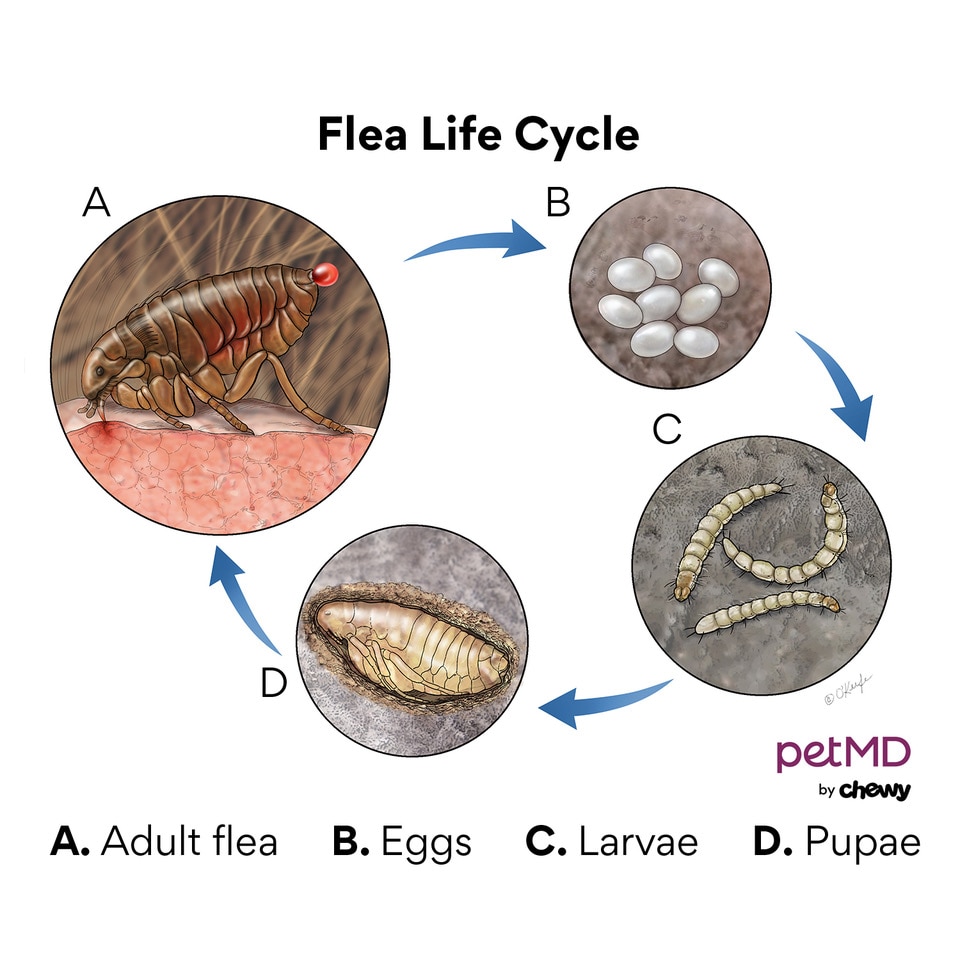
The flea life cycle has four stages: egg, larva, pupa, and adult. Adult fleas lay eggs on the dog’s fur. These eggs fall off into the environment. Larvae hatch and feed on organic debris around the home. After growing, they form pupae. Adults emerge from pupae and jump onto a host. This cycle can take two weeks to several months.
Common Flea Species On Dogs
The most common flea on dogs is the cat flea (Ctenocephalides felis). It affects both cats and dogs. Dog fleas (Ctenocephalides canis) are less common but still a problem. Both species cause itching and skin irritation. These fleas can carry parasites and diseases. Identifying the flea species helps choose the right treatment.
Credit: lebanonanimalhospital.com
Flea Population On Dogs
Fleas are tiny insects that live on dogs and feed on their blood. A dog can carry many fleas without showing clear signs at first. These small pests can cause itching, discomfort, and even health problems for your pet.
Understanding the flea population on dogs helps in controlling and preventing infestations. The number of fleas on a dog can vary a lot depending on many things.
Typical Flea Counts
Most dogs with fleas have between 10 and 50 fleas on their bodies. Sometimes, the number can be much higher. Fleas hide in the fur and skin, so you might not see all of them. Even a few fleas can cause irritation and itching.
Factors Affecting Flea Numbers
Warm weather helps fleas grow and multiply faster. Dogs that spend time outside are more likely to get fleas. Poor grooming and lack of flea treatment also increase flea numbers. Pets living in crowded or dirty places often have more fleas.
How Quickly Fleas Multiply
Fleas multiply very fast. A single flea can lay dozens of eggs each day. These eggs fall off into the environment, hatching into larvae. This cycle can repeat every few weeks, causing large infestations quickly.
Impact Of Flea Infestation
Fleas on dogs cause more than just itching and scratching. A heavy flea infestation can affect a dog’s health and comfort. Fleas multiply fast and live by feeding on your dog’s blood. This can lead to serious problems if left untreated. Understanding the impact of flea infestation helps dog owners act quickly.
Health Risks For Dogs
Fleas can cause allergic reactions in many dogs. Flea allergy dermatitis makes dogs itchy and uncomfortable. Dogs may bite or scratch themselves until the skin is raw. Fleas also carry parasites like tapeworms. Dogs swallow fleas when they groom themselves. This can cause digestive problems and weight loss. Severe flea infestations can lead to anemia. Puppies and small dogs are most at risk. Blood loss from many fleas can weaken a dog fast.
Signs Of Heavy Flea Infestation
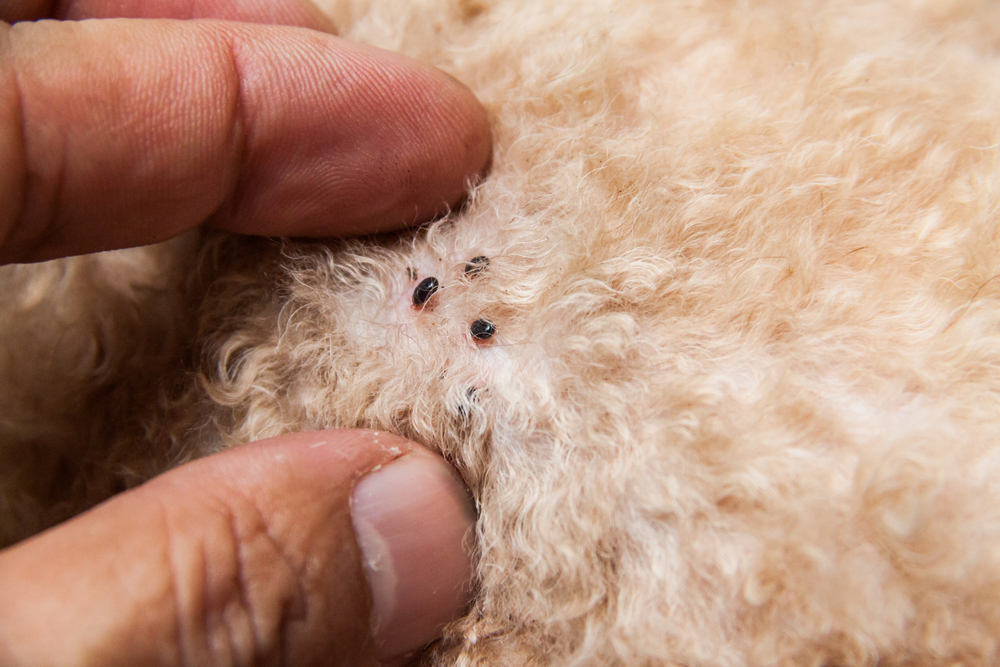
Spotting fleas early is important to protect your dog. Heavy flea infestations cause constant scratching and biting. Look for small dark spots moving on the dog’s skin. Flea dirt, which looks like tiny black specks, may appear on fur. Bald patches or red irritated skin show flea bites. Dogs may also become restless and lose appetite. If you see these signs, check your dog carefully. A vet visit may be necessary for treatment advice.

Credit: bluebeetlepest.com
Managing Flea Numbers
Managing flea numbers on your dog is important for their health and comfort. Fleas can multiply quickly, causing itching and skin problems. Keeping flea numbers low helps your dog feel better and prevents infestations in your home.
There are several ways to control fleas. Some methods work fast, while others help stop fleas from coming back. It is best to use a mix of treatments and prevention to keep fleas away for good.
Effective Flea Treatments
Flea treatments come in many forms. Spot-on treatments, oral pills, and flea collars can kill fleas on your dog. These products target adult fleas and prevent new eggs from hatching. Use as directed by your vet for best results.
Bathing your dog with special flea shampoos helps remove fleas and soothe skin. Repeat treatments may be needed to fully clear fleas. Check your dog often for signs of fleas, like scratching or small black dots in fur.
Preventive Measures
Preventing fleas is easier than getting rid of a large infestation. Keep your dog’s bedding clean and wash it often. Vacuum your home regularly to remove flea eggs and larvae.
Limit your dog’s time in tall grass or areas where fleas hide. Use flea prevention products year-round, even in winter. Fleas can survive indoors and come back quickly without prevention.
Home Remedies And Myths
Some home remedies claim to get rid of fleas. Vinegar or lemon sprays may help repel fleas but do not kill them. These methods are not enough alone to control fleas.
Myths about fleas can cause confusion. Fleas do not jump from your dog to humans easily. Natural oils can sometimes irritate your dog’s skin. Always check with your vet before trying home remedies.
When To Consult A Vet
Knowing when to consult a vet about your dog’s flea problem is important. Fleas can cause serious health issues if not treated properly. Some signs mean you should seek professional help quickly. Early action can save your dog from pain and infection.
Severe Infestation Symptoms
Look for constant scratching and biting. Hair loss in patches is common. Red, inflamed skin shows irritation. Scabs or sores may appear on your dog’s body. Your dog may seem restless or tired. Flea allergy dermatitis causes severe itching. If your dog has pale gums, it could mean anemia from flea bites. These symptoms need vet attention fast.
Professional Flea Control Options
Vets offer treatments that work better than store products. Prescription flea medicines kill fleas quickly. Some kill fleas at all life stages. Your vet may suggest shampoos or sprays. They can also recommend flea collars with strong protection. In severe cases, your vet might treat your home too. These options help stop fleas from coming back.
Credit: www.petmd.com
Frequently Asked Questions
How Many Fleas Typically Live On One Dog?
A dog can host anywhere from a few to hundreds of fleas. The exact number depends on factors like hygiene and environment. Fleas multiply rapidly, so infestations can grow quickly if untreated.
Can A Dog Survive With Many Fleas?
Yes, dogs can survive with many fleas, but it causes discomfort. Heavy infestations lead to itching, skin infections, and anemia. Prompt flea control is essential to protect the dog’s health.
How Do Fleas Multiply On A Dog?
Fleas lay eggs on the dog’s fur, which fall into the environment. These eggs hatch into larvae and then mature into adult fleas. The cycle can complete in two weeks, causing rapid population growth.
What Signs Indicate A Flea Infestation On Dogs?
Common signs include excessive scratching, red skin, hair loss, and flea dirt. Flea dirt looks like tiny black specks on the dog’s coat. Early detection helps prevent severe infestations.
Conclusion
Fleas can multiply quickly on dogs, causing discomfort and health issues. A small number can turn into hundreds in days. Regular checks and cleaning help keep fleas under control. Treating your dog early stops infestations before they grow. Remember, a flea-free dog means a happy, healthy pet.
Stay vigilant and act fast to protect your furry friend.